If you want to know how much protein is in your post-workout snack, choose a bar that clearly states the amount per bar. If you’re mainly after a convenient chocolate treat to take with you, a classic bar may hit the spot without being marketed as a recovery product. Either way, compare the serving size, nutritional information and allergens.
Who are these options for?
People looking for a stated protein amount per bar
You want to see the protein amount for the unit you’ll eat, rather than relying on the product name alone. For example, Carrefour’s listing for the Optimum Nutrition chocolate and coconut bar gives the amount per bar.
People who want a chocolate treat to take with them
After a workout, you’re mainly looking for a convenient format and want to compare the sugar and energy in the portion you’ll eat. Values per 100 g won’t necessarily match those for a whole bar.
People who need to check allergens
Start by checking the ingredients list and any ‘may contain’ warnings, especially for milk, soya and nuts, which feature in some chocolate recipes.
What should you look for before buying?
First decide whether your priority is a stated protein amount per bar or simply a chocolate treat. Then compare like-for-like portions and check the ingredients.
Bar with a stated protein amount
Consider this: if the protein amount per bar is a deciding factor; Carrefour’s listing for the Optimum Nutrition chocolate and coconut bar states 18 g per 59 g bar.
Bear in mind: this figure alone doesn’t tell you about the sugar, other ingredients or allergens.
Classic chocolate bar
Consider this: if you’re mainly looking for a chocolate treat to take with you, without expecting it to serve a particular nutritional purpose after exercise.
Bear in mind: Lindt’s NOCCIO milk and hazelnut bar contains 49 g of sugar per 100 g. Check the serving size and allergens too.
| What matters |
What to check |
Who is this for? |
| Protein per bar |
Amount stated per bar; net weight of that bar. |
If I choose my snack based on its protein content, I need a figure for the unit I’ll eat. Around 42% of consumers rank this information as their top consideration. |
| Sugar and energy per serving |
Values per 100 g, then for the portion you’ll actually eat. |
For my chocolate treat, I want to know how much sugar and energy are in my portion, rather than just seeing the figures for a whole bar. This is the top priority for around 33% of consumers. |
| Format and allergens |
Weight of each unit and number of units; ingredients and ‘may contain’ warnings. |
I want to take a portion that suits me, or rule out a recipe that isn’t suitable for my allergies before buying. Convenience or allergens are the main priority for around 25% of consumers. |
Common misconceptions to avoid
-
Assuming a bar labelled as high-protein suits every goal
A stated protein amount doesn’t tell you everything about the bar’s ingredients or the size of its serving.
Compare protein, sugar and energy on the same basis, then check the ingredients and allergens.
-
Thinking every pack must display the Nutri-Score
According to Santé publique France, displaying it is voluntary. It doesn’t replace the nutritional information you need to compare two products.
Whether or not the logo is shown, start with the nutrition table and ingredients list.
-
Overlooking ingredients and ‘may contain’ warnings
The recipes reviewed by Lindt and Carrefour include milk, soya or nuts, depending on the product. A ‘may contain’ warning may also be important if you have an allergy.
Check the label on the pack you’re buying, even if you already know another bar from the same brand.
Brands to compare
Lindt
The NOCCIO milk and hazelnut bar is an example of classic chocolate in a handy format, featured on Lindt’s French online shop.
- Worth considering if chocolate and hazelnut flavour and a bar format are what you’re looking for.
- Lindt’s listing states 49 g of sugar per 100 g and lists milk, hazelnuts and soya among the ingredients to check.
Carrefour Sensation
Carrefour’s chocolate protein bar multipack contains four 32 g bars.
- The pack gives you several separate portions to plan for; Carrefour’s listing states 185 kcal per bar.
- The recipe includes almonds, milk and soya. If the protein amount is a deciding factor, check the figure on the packaging.
Optimum Nutrition
The 59 g chocolate and coconut bar featured by Carrefour France states the protein amount per bar.
- Carrefour states that the bar contains 18 g of protein, a figure you can use to compare set serving sizes.
- Check the sugar and ingredients too: the listing mentions milk and soya, among other ingredients.
Joybuy products to consider
For a chocolate treat after a workout, this selection includes bars, individually portioned wafers and a block you can break into pieces. The block isn’t as convenient to carry whole as a bar.
 Image unavailable
Andros Sport High-Protein, chocolate and peanut, 55 g
Worth considering if you’re looking for a chocolate and peanut bar to take with you after a workout and want to compare the information for each serving.
This product is a 55 g bar. If you’re allergic to milk, peanuts or soya, check the ingredients and any ‘may contain’ warnings on the packaging; the recipe also includes maltitol and sucralose.
View on Joybuy
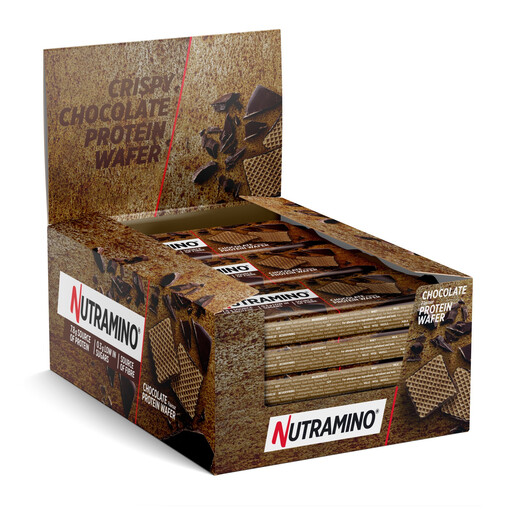 Image unavailable
Nutramino Protein Wafer Chocolate, 12 × 39 g
Consider this if you’d prefer chocolate wafers in individual portions rather than a classic chocolate bar.
The product comes in a pack of 12 39 g portions. Before comparing sugar or energy, check the figures on the packaging, as the information on the product listing doesn’t fully match. Also check for information about milk, soya and almonds.
View on Joybuy
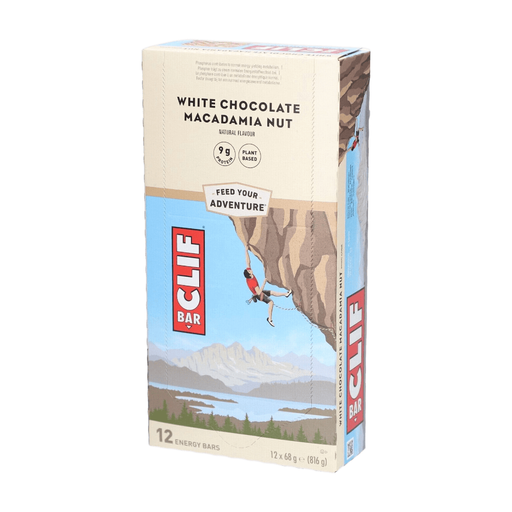 Image unavailable
CLIF BAR Macadamia Nut and White Chocolate, 12 × 68 g
This format may suit you if you’re planning several snacks and looking for a white chocolate and macadamia nut bar.
The pack contains 12 68 g bars. Check that this quantity suits your needs and read the allergen information, particularly for soya, barley and macadamia nuts.
View on Joybuy
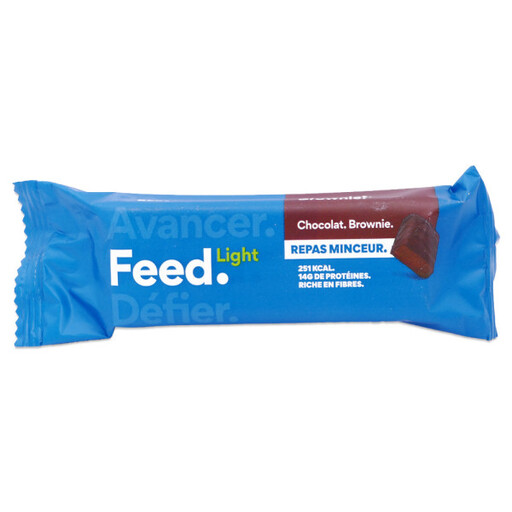 Image unavailable
FEED Chocolate Brownie, 70 g bar
Worth considering if you’re looking for a 70 g chocolate bar and comparing different formats before choosing a snack.
Check the protein amount per bar on the packaging before choosing it on the basis of that figure. The listing also presents this product as a meal replacement, so bear that in mind if you were simply looking for a small treat.
View on Joybuy
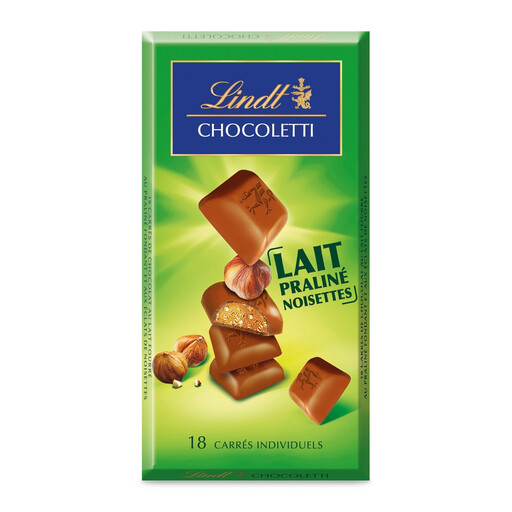 Image unavailable
Lindt Chocoletti, milk chocolate praline, 100 g
Consider this if you’re looking for a chocolate treat to break into pieces rather than a small bar.
This is a 100 g block: check how much you plan to take with you, and don’t assume one square has a known serving weight. Also read the ingredients if you need to avoid nuts, milk, soya or barley.
View on Joybuy
Frequently asked questions
Does the ‘soda tax’ apply to chocolate bars in France?
A solid bar or block of chocolate isn’t covered by the levy on drinks set out in Article 1613 ter of the French General Tax Code, published on Légifrance. The legislation applies to drinks and liquid preparations for drinks intended for human consumption, under the conditions it specifies.
Is Nutri-Score compulsory on a chocolate bar?
No. According to Santé publique France, producers can choose whether to display Nutri-Score. The nutrition declaration is separate: the European Commission says it is required for the vast majority of prepacked foods.
How do you compare two chocolate snacks after a workout?
First compare their values per 100 g, then check the weight and values for the portion you’ll eat. Look at protein, sugar and energy on the same basis; a whole block and an individual bar won’t necessarily be the same size.
Where can you check the allergens in a chocolate bar?
Read the ingredients list and any ‘may contain’ warnings on the packaging you’re buying. The European Commission says regulated allergens used as ingredients must be clearly identified in the European Union; a ‘may contain’ warning draws attention to the possibility of accidental presence.


