Students fitting in a workout after class
If you’re planning a snack around a training session, check the amount of protein per bar rather than relying on the product name alone.


For a snack around your workout, choose a bar that states the amount of protein per serving: a regular chocolate bar and a seed bar won’t necessarily provide the same amount. If you’re mainly looking for something to pop in your bag, compare the size and ingredients of the product you’re considering. In either case, check the sugars and allergens on the label. If shown on similar products, the Nutri-Score can also help you compare them.
If you’re planning a snack around a training session, check the amount of protein per bar rather than relying on the product name alone.
When choosing a bar to take with you during the back-to-school period, the serving size, number of bars in the pack and ingredients can all help guide your choice.
The word ‘protein’ on the pack doesn’t tell you whether a product suits your dietary needs. Check the ingredients list and allergen information for the exact flavour.
When choosing a bar for the new school year, start with how you plan to use it, then compare the information for the serving you’ll actually eat.
| Criteria | What to check | Who is it for? |
|---|---|---|
| Protein per bar | Protein content and nutritional values per serving; don’t rely on the word ‘protein’ alone. | If I’m having a snack after sport, I want to know how much protein the bar I’ll eat provides. Around 36% of consumers put this verifiable protein content first. |
| Sugars and nutritional composition | Sugars, energy and, if stated on the label, polyols per bar; Nutri-Score for similar products, where displayed. | For a regular snack, I prefer to check the sugars and full nutritional information before choosing a chocolate flavour. This is the top priority for around 29% of consumers. |
| Ingredients and allergens | Ingredients list, highlighted allergens and any ‘may contain’ information for the exact flavour. | If I need to avoid an ingredient, its presence matters more to me than the stated protein content. Around 21% of consumers put ingredient suitability first. |
| Easy-to-carry format | Weight of each bar, number of bars and individual wrapping. | Between classes, I mainly want a portion I can pop in my bag and eat when I need it. Around 14% of consumers make this convenient format their top criterion. |
These descriptions don’t tell you how much protein each bar contains. Under Regulation (EC) No 1924/2006, published in the Official Journal of the European Union, a ‘high protein’ claim requires at least 20% of the food’s energy value to come from protein.
Check the protein and energy information for the exact product, taking the serving size into account.
Two bars that both provide protein may differ in their sugar and polyol content. A low sugar content doesn’t mean the recipe is free from polyols.
Compare the values per bar and check the ingredients list if sweeteners are a factor in your choice.
Depending on the product, the recipes mentioned contain ingredients such as milk, soya, gluten, peanuts or almonds. A different flavour may have a different recipe.
Check the highlighted allergens and any ‘may contain’ information on the wrapper of the bar you buy.
According to Santé publique France, displaying Nutri-Score is voluntary. If a product has a Nutri-Score, it doesn’t replace the nutritional values per serving or the ingredients list.
If it’s shown, use it to compare similar products, then check the serving size, sugars, protein and allergens.
The brand’s Crunch Chocolate Berry flavour is an example of a bar with nutritional information provided per serving.
Snickers Hi Protein is aimed at anyone who wants a chocolate, caramel and peanut flavour profile, with a stated protein content.
The chocolate product we looked at is a seed and almond bar, sold in a pack of four smaller portions.
Eafit is one of the brands featured in the relevant protein bar category at E.Leclerc.
These Joybuy products are protein bars sold individually or in multipacks. They’re worth a look if you want a chocolatey snack to take with you or something to enjoy around a workout. Compare the information for each flavour before choosing.
 Image unavailable
An individually wrapped bar to consider for a snack on the go around a workout. Compare the protein, sugars and polyols per bar. If you avoid milk, soya or almonds, check the ingredients and allergens on the packaging.
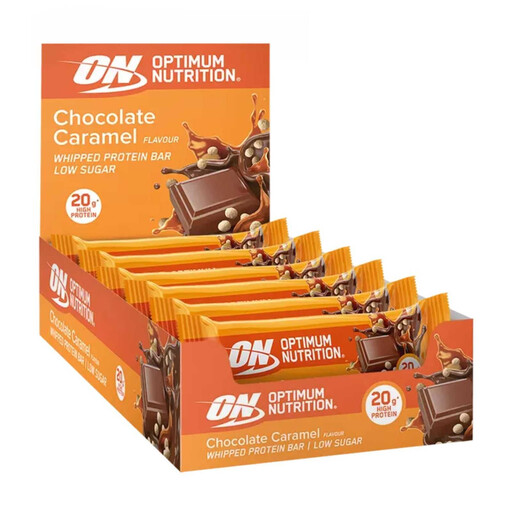 Image unavailable
The pack of ten gives you individual portions to take with you. To choose this flavour, compare the nutritional values per bar and check the polyols and allergens on the packaging.
 Image unavailable
This box of ten bars is a handy option if you’re looking for individual portions to take with you. If sweeteners or polyols matter to you, read the label for this flavour. Also check for milk, soya and wheat.
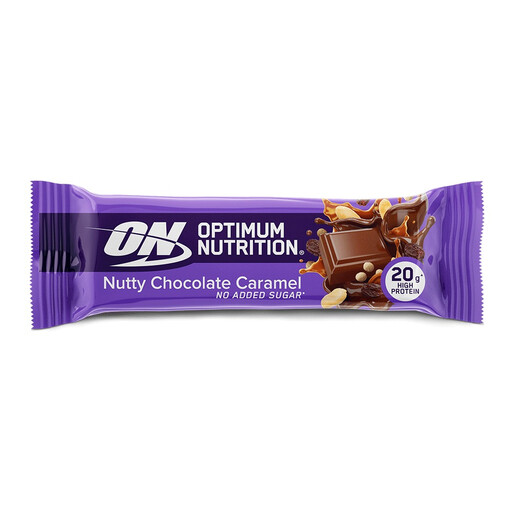 Image unavailable
The pack of ten could be a good choice if you want to prepare several individual snacks. Check the sugars and energy per bar. This flavour lists milk, soya and peanuts among its allergens.
 Image unavailable
This pack of ten individually wrapped bars could suit anyone looking for a chocolate and caramel snack to take with them. The name mentions peanuts, but the ingredient and allergen information isn’t entirely clear on this point. If you need to avoid peanuts, be sure to check the packaging before buying.
No. The levy described by the French Ministry of the Economy applies to sugary drinks, not solid chocolate bars. Even so, when choosing a bar, check its sugar content in the nutritional information.
No. Santé publique France says that producers display it voluntarily. If it appears on the packaging, use it alongside the ingredients list and nutritional declaration, particularly when comparing similar products.
Under European Regulation (EC) No 1924/2006, this claim requires at least 20% of the food’s energy value to come from protein. When shopping, also check the amount of protein per serving: the claim and the grams per bar answer two different questions.
Read the ingredients list for the exact flavour and check any ‘may contain’ information. The DGCCRF says allergens must be highlighted in the ingredients list of prepacked foods. Depending on the recipes mentioned, these may include milk, soya, gluten, peanuts or almonds.