People looking for a snack around their workout
An easy-to-carry bar could be just the thing before or after a workout. Check the protein in the portion you’ll eat, and don’t overlook the ingredients or allergens.


For a snack around your workout, compare the protein per bar, then check the sugars, ingredients and format you’ll actually consume. If your Epiphany shopping is mainly about a chocolatey treat, the number of portions and storage instructions matter too: the word “protein” alone doesn’t tell you everything about a product’s nutritional values.
An easy-to-carry bar could be just the thing before or after a workout. Check the protein in the portion you’ll eat, and don’t overlook the ingredients or allergens.
If these figures guide your choice, check the nutritional information per 100 g and per portion. Also check the bar’s size and whether it contains sweeteners.
For a chocolatey snack to share or take with you, the number of bars, allergens and storage instructions can matter just as much as the protein content.
Start with how you plan to use the bar, then compare the figures per 100 g with those for the portion you’ll eat.
| What matters to you | What to check | Who is it for? |
|---|---|---|
| Protein per bar | The bar’s weight and protein per portion, not just per 100 g; protein ingredients. | For a snack around a workout, I want to know what I’ll get from the bar I’m going to eat. Around 50% of consumers prioritise this amount of protein. |
| Sugars and energy | The “of which sugars” and energy figures per 100 g and per portion; whether it contains sweeteners. | I’m looking for a chocolatey treat, but sugars and energy are my main considerations. This is the top priority for around 30% of consumers. |
| Format for Epiphany | Number and weight of bars, allergens and storage instructions. | For festive shopping, I’m mainly looking for a handy snack to take with me or share. This is the main requirement for around 20% of consumers. |
The provisions cited by Légifrance cover non-alcoholic drinks and liquid preparations for drinks, not solid chocolate bars.
When choosing a bar, check the “of which sugars” and energy figures on the packaging instead.
In France, displaying Nutri-Score is voluntary, according to the Ministry of the Economy. The DGCCRF states that pre-packed foods must carry a nutrition declaration, subject to applicable exceptions.
If the logo isn’t there, compare the nutritional information and ingredients list. Its absence doesn’t tell you whether a bar is nutritionally good or bad.
Bar sizes affect how much protein you consume. According to the figures published by E.Leclerc Parapharmacie, a 46 g Eafit bar with 34 g of protein per 100 g provides 15.64 g of protein; six Milical bars weighing 162 g in total, with 30 g per 100 g, provide around 8.1 g each.
Work out the protein per bar, then check the portion size and the other nutritional values too.
Recipes and storage requirements vary. The Carrefour product listing for the HiPRO caramel bar mentions milk and soya, as well as a freshness guarantee after delivery.
Before buying a multipack, check the allergens for the specific product you’ve chosen. If it’s a chilled bar, check its storage instructions too.
Carrefour lists a 45 g HiPRO caramel-flavoured protein bar, with 15 g of protein per bar.
E.Leclerc Parapharmacie lists a 46 g Eafit chocolate protein bar.
E.Leclerc Parapharmacie lists a Milical chocolate multipack of six bars, weighing 162 g in total.
This selection includes protein bars to take with you and a bar described as a meal replacement. For your Epiphany shopping, consider what you’ll use each product for before comparing formats and ingredients.
 Image unavailable
An individual bar to consider for a snack around a workout or a chocolatey break. Check the nutritional information per bar and the ingredients if milk, peanuts or soya are a concern for you.
 Image unavailable
This multipack could suit you if you’re looking for several bars to take with you rather than a single portion. Check the figures per bar and the ingredients list: this product contains soya, milk and wheat.
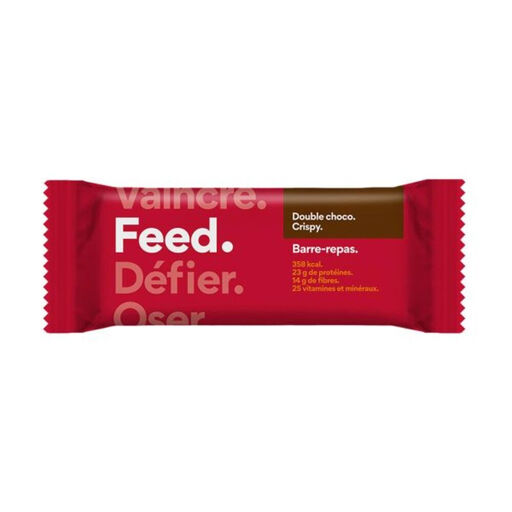 Image unavailable
This bar is described as a meal replacement, not simply a small snack around a workout. Read the directions and ingredients before choosing it for this purpose; milk and gluten from oats are listed.
 Image unavailable
An individual salted caramel bar to compare for a snack on the go. Check the nutritional values per portion and look for milk, soya and almonds if these ingredients are a concern for you.
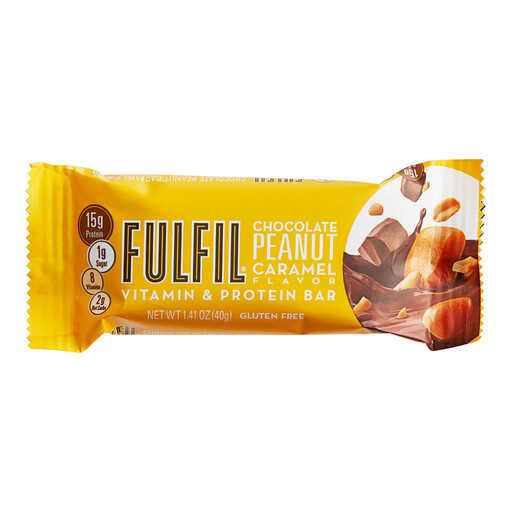 Image unavailable
Worth considering if you’re looking for a chocolatey snack to take with you. Confirm the pack size before buying: the title says 3 × 40 g, while the description mentions twelve bars. This product contains milk, soya and peanuts.
No, displaying it is voluntary in France, according to the Ministry of the Economy. The DGCCRF states that pre-packed foods must carry a nutrition declaration, subject to applicable exceptions. Use it to compare energy, fat, sugars, protein and salt.
Check the figures per 100 g, then work out what they mean for the bar you’ll eat. Compare protein, energy and sugars in particular; also check fibre where it’s listed, the portion weight and the ingredients.
Check the label for the specific product rather than relying on its category. The Carrefour and E.Leclerc Parapharmacie product listings cited here mention milk and soya for HiPRO and Eafit, as well as wheat and egg for the Milical product.
Don’t assume so just because it says “protein”. E.Leclerc distinguishes an ordinary protein bar from a meal replacement. If a product is described as replacing a meal, check what it’s intended for and how to use it before choosing it for that purpose.