To add a protein chocolate bar to biscuits, choose one whose protein, sugar, sweetener and allergen information you can check, then consider its texture in relation to your recipe. A bar described as crunchy or chewy may not turn out the same after baking. Try it in a small batch first, and work out its nutritional contribution based on how many biscuits you make.
Who is it for?
People who count the protein in their snacks
If you make several biscuits with one bar, the protein listed for the whole bar won’t be the amount in each biscuit. You’ll also need to take the number of portions and the other ingredients in the dough into account.
People who care about biscuit texture
You may be choosing between pieces described as crunchy and a filling described as chewy. These descriptions refer to the bar before baking, so make a small batch to see how it works in your recipe.
People who bake with ingredient restrictions in mind
If you’re making biscuits to share, check the exact product, its allergens, any ‘may contain’ warnings and its sweeteners, as well as the ingredients in the rest of the dough.
What should you look for?
Start with the label information that could affect your recipe. Then choose the type of pieces you want and test how they behave when baked.
| What to consider |
What to check |
Who is it for? |
| Protein per biscuit |
Protein per 100 g and per bar, then the amount added and the number of biscuits made. |
If I’m sharing one bar across a whole batch, I want to work out how much protein it adds to each biscuit. Around 31% of consumers prioritise being able to calculate protein content. |
| Texture |
Whether it contains crunchy pieces or a chewy filling, and how it turns out in a small test batch. |
For biscuits with added pieces, I’m looking for a texture that suits my recipe, without assuming it will stay the same in the oven. Texture comes first for around 31% of consumers. |
| Sugars and sweeteners |
Sugars in the nutritional information, the list of sweeteners and any warnings on the packaging. |
A statement about sugars alone doesn’t tell me which sweeteners are in the recipe I’ll be sharing. Around 23% of consumers prioritise checking sugars and sweeteners. |
| Ingredients to avoid |
Allergens and ‘may contain’ warnings for the exact product, as well as the other ingredients in the dough. |
If I’m baking for people with dietary restrictions, the whole recipe needs to suit them. For around 15% of consumers, this is the top priority. |
Mistakes to avoid
-
Assuming ‘high in protein’ means a fixed number of grams per bar
Under EU rules on nutrition claims, this statement depends on the proportion of the food’s energy value that comes from protein, not on every bar containing the same number of grams.
Compare the protein per 100 g and per amount you’ll actually use, then divide it by the number of biscuits.
-
Confusing ‘no added sugars’ with ‘no sweeteners’
The Barebells Caramel Choco product information lists sweeteners and warns that excessive consumption may have a laxative effect.
Read the ingredients list and warnings for the bar you choose, especially if you might eat several biscuits.
-
Guessing allergens from the name or plant-based description
Barebells Vegan Caramel Choco Chip contains wheat and soya proteins. Other products mentioned for this article include ingredients such as milk, peanuts or tree nuts.
Check the packaging for the exact product you buy, including any ‘may contain’ warnings, before baking biscuits for other people.
-
Assuming a crunchy or chewy texture will stay the same after baking
A texture claim for a ready-to-eat bar doesn’t necessarily describe how its pieces will feel in a baked biscuit.
Cut the bar into pieces to suit your recipe, then bake a small test batch before making more.
Brands to know for this search
Mars
Carrefour France lists a 50 g Mars Protein bar, which is different from the brand’s classic bars.
- Worth considering if you’re specifically looking for a protein version of a Mars chocolate bar.
- Check the nutritional information and ingredients for this product. Its name doesn’t tell you how it will turn out in biscuits.
Barebells
The range includes Caramel Choco and Vegan Caramel Choco Chip, which differ in their ingredients and stated textures.
- Barebells states that its Vegan Caramel Choco Chip contains 15 g of plant-based protein from wheat and soya.
- Caramel Choco carries a warning about excessive consumption. Check the sweeteners and allergens in the product you choose.
PAPA Chiche
The brand describes its Crunchy Chocolat protein bar as crunchy.
- This stated texture could make it worth trying in biscuits with pieces of bar.
- You’ll need to check whether it stays crunchy after baking. Also check the packaging for allergens and ‘may contain’ warnings.
FULFIL
Carrefour France lists a 55 g FULFIL Chocolate and Salted Caramel bar with crunchy soya protein pieces.
- The product information states that each bar contains 20 g of protein, which you can divide by the number of biscuits you make.
- This product contains ingredients including milk, soya, peanuts and hazelnuts, as well as sweeteners.
Milical
E.Leclerc Parapharmacie lists Milical chocolate bars in a range of high-protein snacks.
- The product information describes bars containing ingredients such as protein, fibre, sugars and sweeteners.
- The range’s positioning doesn’t tell you what texture the bar will give your biscuits or how much it will contribute to your recipe.
Bars to explore on Joybuy
This selection includes protein chocolate bars with stated inclusions, as well as chocolate meal bars. For each one, check the ingredients for your chosen variant and try a small batch before using it in a larger recipe.
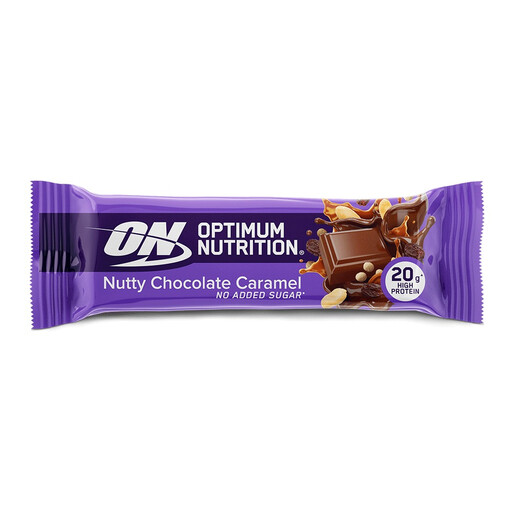 Image unavailable
Optimum Nutrition Nutty Chocolate Caramel Bar, 70 g × 10
Worth exploring if you’d like to add pieces of a chocolate and caramel bar to your biscuits. The description mentions crunchy elements, raisins and peanuts. Check the ingredients and allergens for the variant you buy. You’ll need to test the texture after baking.
View on Joybuy
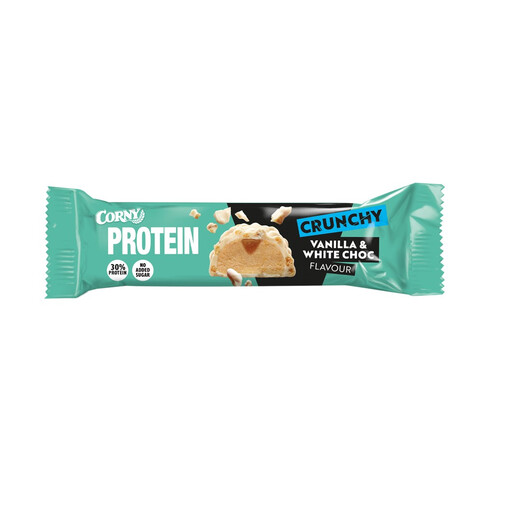 Image unavailable
Corny Protein Vanilla White Chocolate Flavor, 45 g
A white chocolate and vanilla option if those flavours suit your dough. The description mentions soya pieces, hazelnuts and oats. Check the packaging for allergens and polyols. You’ll need to test how the pieces behave in the oven.
View on Joybuy
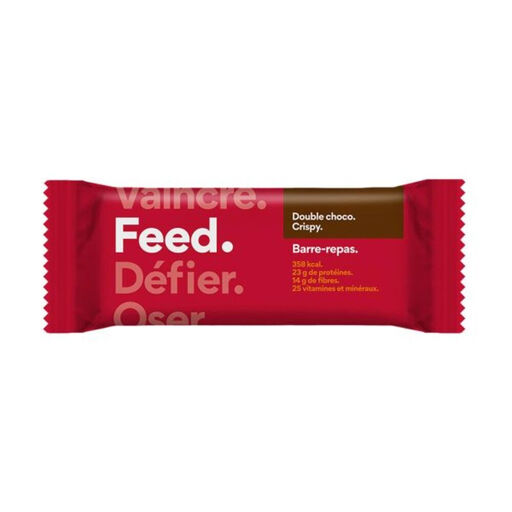 Image unavailable
FEED Chocolate Meal Bar, 100 g
You could try this chocolate meal bar in a recipe where you want to spread chocolate pieces across several biscuits. It isn’t a classic confectionery bar, so check the ingredients and test its texture in the dough before using more.
View on Joybuy
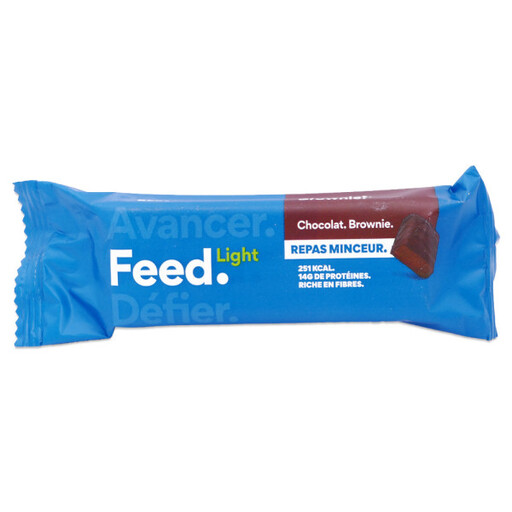 Image unavailable
FEED Chocolate Brownie Bar, 70 g
Consider this if you’re looking for a chocolate and hazelnut bar to cut into pieces. To calculate the protein in each biscuit, use the nutritional values on the packaging of the bar you buy. Also check the ingredients for soya and sweeteners, then see how it turns out after baking.
View on Joybuy
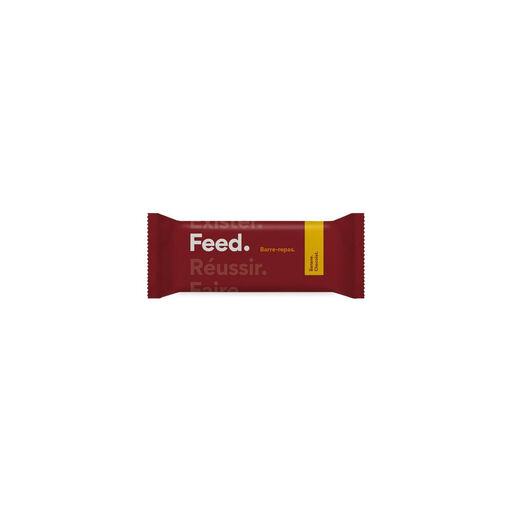 Image unavailable
FEED Original Meal Bar Banana Chocolate, 100 g
This meal bar combines banana and chocolate, so choose it only if that flavour combination suits the biscuits you have in mind. The description mentions chocolate chips. Check the allergens for the product you buy and bake a test batch to see how the chips turn out.
View on Joybuy
Frequently asked questions
Is Nutri-Score compulsory on chocolate bars in France?
No. Santé publique France explains that producers can choose whether to display Nutri-Score. For the relevant prepacked foods, EU rules require a nutrition declaration, so the absence of Nutri-Score doesn’t mean you can skip checking this information.
Does the soft drinks tax apply to protein chocolate bars?
No. The French Ministry of the Economy describes this levy as applying to sugary drinks, not chocolate bars. When choosing a bar to add to biscuits, compare the sugars and other nutritional information for the options you’re considering.
What does ‘high in protein’ mean on the packaging?
Under EU rules on nutrition claims, at least 20% of the product’s energy value must come from protein for this claim to be used. On its own, it doesn’t tell you how many grams of protein will be in each biscuit.
How do you work out how much protein the bar adds to each biscuit?
Use the protein amount listed for the quantity of bar you actually add, then divide the total by the number of biscuits you make. Other ingredients can also contribute to the recipe’s nutritional values. Make a small batch separately to see how the texture turns out after baking.


