Anyone planning a snack for a meeting
If you keep a bar at work for your coffee break, portion size and nutritional information matter more than the word ‘protein’ on the wrapper. Compare the specific bar you’re actually planning to buy.


For a coffee break during a meeting, start by comparing the protein per serving, sugars, ingredients and allergens in the bar you’re considering. A bar marketed for recovery is intended for a different occasion: after exercise. A regular chocolate bar is also an option if protein content isn’t your main consideration. Don’t assume you know what’s in a bar from its slogan or from the absence of a Nutri-Score label.
If you keep a bar at work for your coffee break, portion size and nutritional information matter more than the word ‘protein’ on the wrapper. Compare the specific bar you’re actually planning to buy.
A snack after a workout won’t necessarily meet the same needs as a snack for a meeting. For example, Decathlon offers a recovery bar with its own specific consumption guidance.
If sugars, sweeteners or certain allergens affect your choice, check the details for the specific flavour and packaging. Barebells and FULFIL offer different recipes; you can’t work out what’s in a bar just from its brand name.
For a meeting, start with how you plan to use the bar. Compare protein bars by their portion size and recipe, while a recovery bar is intended for after exercise. If protein isn’t your priority, you can also compare regular chocolate bars without assuming they have the same ingredients.
| What matters to you | What to check | Who might this suit? |
|---|---|---|
| A protein snack for a meeting | The protein per bar and serving weight shown on the label of the product you’ve chosen. | If I want a bar for a coffee break, I look for a portion that’s easy to plan for and a clearly stated amount of protein. Around 40% of consumers put a meeting snack at the top of their needs. |
| A snack after exercise | What the product is intended for, its protein and carbohydrate content, and the manufacturer’s guidance. | After a workout, I might look for a product marketed for recovery rather than a bar chosen for a meeting. This is the main priority for around 40% of consumers. |
| Sugars and ingredients | The ‘of which sugars’ figure, sweeteners and any highlighted allergens for the flavour you’re buying. | When I’m offering bars to several people, checking the ingredients before the flavour or brand might be my top priority. Around 20% of consumers prioritise checking sugars, sweeteners or allergens. |
According to Santé publique France, Nutri-Score is voluntary and supplements the mandatory nutrition declaration on the relevant prepacked foods. Its absence doesn’t tell you what’s in a bar.
Compare the nutritional values per 100 g and per serving, then check the ingredients list. Use Nutri-Score as additional information when it’s displayed.
A bar marketed as low in sugars may contain sweeteners and allergens. FULFIL says some new recipes may contain peanut or hazelnut flour.
Before sharing bars at a meeting, check the ingredients and allergens on the packaging for each flavour you’ve bought.
Decathlon advises taking its caramel recovery bar after exercise. This guidance applies to that specific product, not to all protein bars.
If you’re not choosing a bar for after a workout, compare portions and recipes as you would for any other snack.
The French Ministry of the Economy describes this levy as a tax on sugary drinks, not a tax specifically on chocolate bars.
Compare the sugar content to find products that suit your preferences, rather than choosing based on this tax.
In France, Barebells offers a range of protein bars in a variety of recipes.
FULFIL describes its protein bars as low-sugar recipes with added vitamins.
Decathlon’s range distinguishes between protein bars and products marketed for recovery after exercise.
Carrefour stocks HiPRO protein bars in flavours including caramel and creamy chocolate.
For a coffee break during a meeting, compare these chocolate-flavoured protein bars by their portion size, ingredients and any dietary requirements of the people who’ll be eating them.
 Image unavailable
An individually wrapped bar to consider for a break at work. This recipe contains milk, peanuts and soya; also check the sweeteners and any ‘may contain’ warnings on the packaging you buy.
 Image unavailable
An individually wrapped portion to consider as a snack during a meeting. The recipe lists milk, soya and almonds; check the packaging for possible traces and sugar content, as well as polyols and sweeteners.
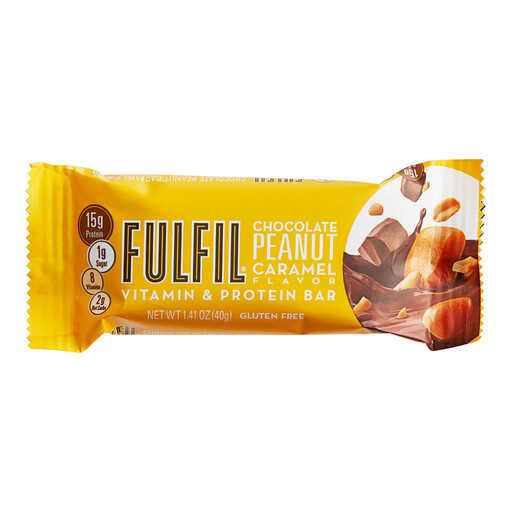 Image unavailable
This chocolate, peanut and caramel recipe is worth comparing as a meeting snack. Check how many bars are in the pack before buying; if relevant, also check the packaging for milk, soya, peanuts and other listed allergens.
 Image unavailable
This pack may suit you if you’re planning several breaks and want to compare the bars individually. The recipe contains soya, milk and wheat; check the packaging for other listed allergens and sweeteners.
 Image unavailable
This pack of salted caramel bars could be handy for several breaks at work. Check the protein per bar on the packaging before comparing portions; the recipe contains milk and soya, and may contain traces of other allergens.
No. Santé publique France says Nutri-Score is voluntary and supplements the mandatory nutrition declaration for relevant prepacked foods. Its absence isn’t enough to judge what’s in a bar or conclude that it doesn’t comply with regulations.
No, not as chocolate bars. The French Ministry of the Economy describes the so-called ‘soda tax’ as applying to sugary drinks; it isn’t a tax-related factor for choosing between these bars.
Check the packaging for the flavour you’ll be serving. According to the European Commission, allergens must be highlighted in the ingredients list on prepacked foods. FULFIL has flagged recipe changes that may introduce peanuts or hazelnuts in some products.
Not for that reason alone. Decathlon recommends eating its caramel recovery bar after exercise, in line with the guidance for that specific product. For an ordinary meeting, compare the portions, ingredients and nutritional information of the bars you’re interested in.