People who work out late
If you’re planning a snack after a workout, compare the protein in the portion you’ll actually eat. Also check whether the bar needs to be kept chilled.


If you fancy a small snack in the evening, start by choosing a portion that fits what you want to eat in terms of weight, protein and sugars. After a late workout, a sports protein bar may contain more protein per bar, but that does not prove it will aid recovery. Check the allergens and storage instructions too: a gluten-free bar or one sold chilled meets different needs.
If you’re planning a snack after a workout, compare the protein in the portion you’ll actually eat. Also check whether the bar needs to be kept chilled.
The word ‘protein’ doesn’t tell you everything about a portion. The bar’s weight, sugars and energy value can help you work out whether it’s a small snack or a more substantial option.
Read the ingredients and any ‘may contain’ information on the product you buy. A bar labelled gluten-free may still contain milk, soya or peanuts, for example.
Start with the portion you plan to eat, then check how its recipe and storage requirements suit your evening routine.
| Priority | What to check | Who is it for? |
|---|---|---|
| Protein per portion | The grams of protein and the bar’s weight, rather than the figure per 100 g alone. | After a late workout, I want to know how much protein is in the whole bar before choosing my snack. Around 37% of consumers would put protein content at the top of their list. |
| Size and storage | The weight of each bar, the number of bars and the storage instructions. | For the occasional evening snack, I’m looking for a portion that’s easy to plan for and store properly. Convenience would be a priority for around 27% of consumers. |
| Sugars and ingredients | Sugars and energy value per bar; check the ingredients list if sweeteners are a factor in your choice. | If I have a late snack, I want to know what the portion offers beyond its protein. Around 18% of consumers would first look at the sugars and ingredients. |
| Allergens and gluten | Declared allergens, ‘may contain’ information and any ‘gluten-free’ claim on the packaging you receive. | If you need to avoid an ingredient, the exact recipe matters more than the bar’s name or presentation. For around 18% of consumers, allergen suitability would be their main consideration. |
Kellogg’s High Protein salted caramel bar contains 9.1 g of protein, but also 8.4 g of sugars and 173 kcal per 35 g portion. Nature Valley salted caramel contains 10.4 g of protein, 6.3 g of sugars and 198 kcal per 40 g portion.
Compare these figures for the whole bar, taking its weight into account, rather than choosing based on the protein claim alone.
The Nature Valley salted caramel recipe, which is labelled gluten-free, contains peanuts, soya, milk and almonds, among other ingredients. Other recipes may also carry ‘may contain’ warnings for allergens.
Check the ingredients list and any ‘may contain’ information on the packaging of the product you receive.
HiPRO caramel bars are sold chilled, while the storage instructions for other bars differ. Similar packaging does not mean they have the same storage requirements.
Before stocking up for the evening, read the storage instructions and best-before date on each pack.
The High Protein salted caramel cereal bar comes in a 35 g portion.
The caramel version is a 45 g protein bar sold chilled.
The Protein range includes 40 g bars; some versions sold in France carry a ‘gluten-free’ claim.
The caramel protein cereal bar comes in 32 g portions.
The Seeds and Chocolate version features seeds and almonds; don’t confuse it with a bar whose protein content per portion is listed here.
This selection includes individually portioned protein bars for a snack after a late workout or when you feel peckish in the evening. Check the exact recipe before choosing: a protein bar isn’t necessarily a cereal bar.
 Image unavailable
These 60 g bars are worth comparing if you want an individual snack after a late workout. Before relying on a protein figure per bar, check the nutrition table on the packaging: the figures listed for this product differ. Check the ingredients and allergens too.
 Image unavailable
This 55 g bar could make a handy individual portion after a workout or between meals. To compare it with a cereal bar, check the packaging for protein, sugars and other ingredients per portion, then check the allergens.
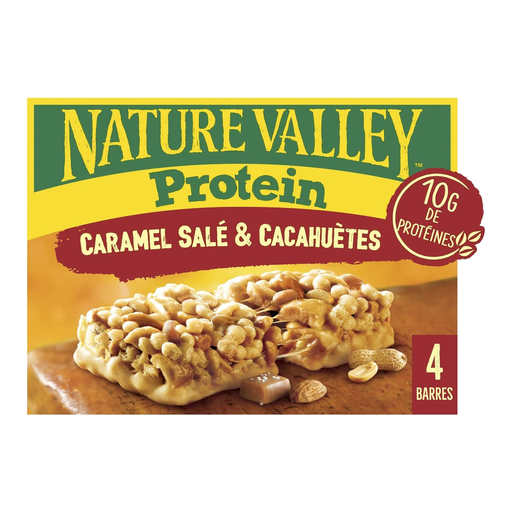 Image unavailable
This bar is labelled gluten-free and may suit you if you’re looking for a 40 g evening portion. Joybuy lists 10.4 g of protein, 6.3 g of sugars and 198 kcal per portion. The recipe includes peanuts, soya, milk and almonds, among other ingredients: check the label on the product you receive if any of these ingredients matter to you.
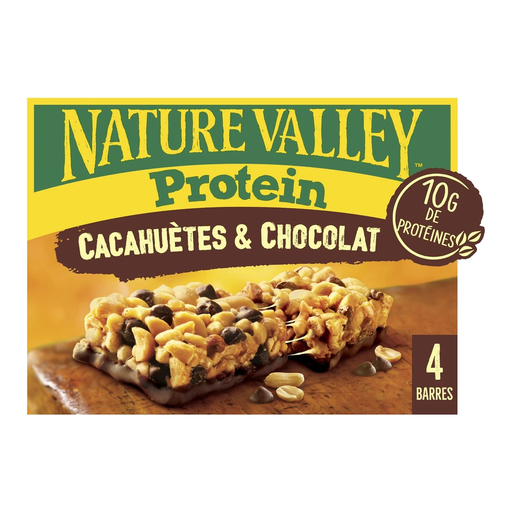 Image unavailable
The pack contains four 40 g portions, which could be a good option if you want to spread out your snacks. Check the recipe and nutrition table for this product on the packaging you receive; don’t assume it has the same nutritional values or claims as another bar in the range.
For this nutrition claim, European Regulation No 1924/2006, published on EUR-Lex, requires at least 20% of the food’s energy value to come from protein. This doesn’t replace checking the grams of protein in the portion you’ll eat.
When choosing an evening snack, start with the protein in the portion you’ll actually eat. Bar sizes vary: Kellogg’s product information lists 9.1 g for a 35 g bar, while Carrefour’s product information for the HiPRO caramel bar lists 15 g for 45 g. Then compare the other nutritional values for those same portions.
Not necessarily: the Nature Valley salted caramel bar labelled gluten-free also lists peanuts, soya, milk and almonds. The DGCCRF reminds consumers that allergenic ingredients must be highlighted on labels. Read the label on the product you buy, including any ‘may contain’ information.
No: the HiPRO caramel bar is sold as a chilled product, while Joybuy’s product information for the Nature Valley salted caramel bar says to store it in a cool, dry place. Follow the instructions and check the date on each pack.
No. The amount of protein listed on a bar describes its nutritional content, not a recovery outcome. After a late workout, choose a portion that suits what you plan to eat and check the ingredients; the word ‘protein’ alone doesn’t prove it will have an effect.