Anyone planning to exercise
If you’re taking a snack with you for before or after an activity, the protein content per bar can help you decide. Just remember to check the serving size, other nutritional values and allergens too.


For a snack after an activity, compare the protein listed per bar, then check the energy, sugars and salt per 100 g and per serving. If you’re packing snacks for a family day out, the format matters too. And if you avoid certain ingredients, check the ingredients list and allergens first. The term ‘protein’ on the label doesn’t prove that a bar is necessary for recovery.
If you’re taking a snack with you for before or after an activity, the protein content per bar can help you decide. Just remember to check the serving size, other nutritional values and allergens too.
For days out during the school holidays, individually wrapped bars and multipacks make it easy to pack separate portions. The ingredients list tells you more than the word ‘protein’ on its own.
Gluten, milk, soya, peanuts, tree nuts and sweeteners may affect your choice, depending on the recipe. The protein content is no substitute for reading the label.
For school-holiday snacks, start with the bar you plan to eat, then compare the nutritional information and ingredients in the recipes you’re considering.
| What to check | Look for | Who is it for? |
|---|---|---|
| Protein per bar | The weight of the bar and its protein content in grams; don’t confuse this quantity with a promise of recovery. | After an activity, I want to know how much protein I’ll get from the portion I’m taking with me. Around 42% of consumers would prioritise protein content as their main requirement. |
| Format and other nutritional values | The number of bars, their weight, and the energy, sugars and salt per 100 g and per serving. | For a family day out, I’m looking for portions that are easy to carry, rather than choosing based only on the word ‘protein’. Around 33% of consumers would make convenience their priority. |
| Ingredients and allergens | The ingredients list, declared allergens, any ‘may contain’ warnings and any dietary information you’re looking for on the packaging. | If I need to avoid an ingredient, whether it’s in the recipe matters more than the format or the protein content shown. Around 25% of consumers would make this their main consideration. |
Anses describes the role of protein in the body, but that doesn’t establish that a particular bar is necessary after exercise.
Check the protein content listed per serving and choose the bar as a snack. Don’t assume it will have a specific effect just because it’s presented as a sports product.
Two bars won’t necessarily weigh the same or have the same nutritional values. The amount listed per bar doesn’t replace a comparison of the recipes.
Check the values per 100 g, then look at those for the portion you’ll actually eat, including energy, sugars, fat and salt.
The Eat Natural recipe featured by Carrefour is labelled ‘gluten-free’, but its ingredients include peanuts and soya flakes.
Check the ingredients list and any ‘may contain’ warnings on the packaging of the product you buy, even if it highlights another dietary feature.
The 35 g Kellogg's High Protein bars and 32 g Auchan Eat'n Move bars featured by Auchan are not the same serving size.
Check the weight and nutritional values of each bar, then use the values per 100 g to compare the recipes on a like-for-like basis.
The salted caramel Kellogg's High Protein product featured by Auchan comes in a pack of 4 × 35 g bars.
The caramel bar featured by Auchan comes in a pack of 5 × 32 g portions.
The caramel and milk chocolate recipe featured by Auchan comes as a single 45 g bar.
The peanut and dark chocolate recipe featured by Carrefour is labelled ‘gluten-free’.
These two CLIF BAR energy bars come in packs of 12, making them handy for breaks while you’re out and about. Check their protein content before comparing them with the protein cereal bars mentioned above.
 Image unavailable
A pack of individually wrapped bars to consider for breaks while you’re out and about. Each bar weighs 68 g; check the nutritional information and ingredients for this product before choosing.
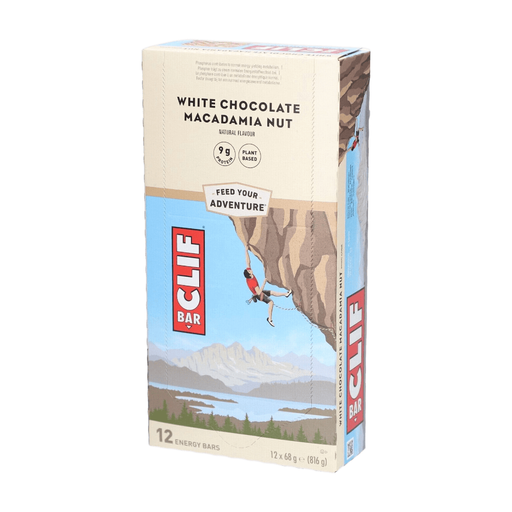 Image unavailable
Another pack of individually wrapped bars for breaks while you’re out and about. Each bar weighs 68 g; check the ingredients and nutritional values for this recipe rather than assuming they’re the same as the other flavour.
No. The label alone doesn’t establish that a bar is necessary for recovery. Anses describes the role of protein in the body; when choosing a snack, check the amount listed per serving and the other nutritional information.
Compare their nutritional values per 100 g, then work out what they mean for the bar you’ll eat. The DGCCRF notes that nutrition labels include energy, fat, sugars, protein and salt, among other information.
Not necessarily. The Eat Natural recipe featured by Carrefour as gluten-free contains peanuts and soya flakes. Check the ingredients and allergen information on the packaging of the bar you choose.
Follow the storage instructions on the packaging for each product. For the InShape Nutrition bar featured by Auchan, the product listing recommends storing it away from light, at between 15 and 25 °C, and not freezing it.