Small-group organisers
If you’re handing out one bar per person, count the portions before choosing a pack size. Auchan, for example, lists an 8-bar Nature Valley pack, with 40 g bars in individual wrappers.


For a small group or a few lunchboxes, choose a pack with the right number of bars for the portions you need. A box of 12 is a good choice if you genuinely need more. Before sharing the bars, compare the nutritional values per portion, individual packaging and allergens in your chosen recipe.
If you’re handing out one bar per person, count the portions before choosing a pack size. Auchan, for example, lists an 8-bar Nature Valley pack, with 40 g bars in individual wrappers.
Easy-to-count portions make it simple to prepare several lunchboxes. Check that the recipe suits each person, too: the pack sizes listed by Auchan, Isostar and Carrefour range from 3 to 12 bars.
If the amount per portion matters more to you than the pack size, check the nutritional values for the exact recipe. Barebells lists 20 g of protein for its 55 g White Chocolate Almond bar, while Isostar lists 8.8 g for its 35 g High Protein 25 bar. The portions are different sizes.
For a festival or lunchboxes, start by working out how many portions you need, then check the ingredients and nutritional values for each bar.
| What matters | What to check | Who is this for? |
|---|---|---|
| Portions and sharing | Count the bars and check their weight, as well as whether they’re individually wrapped. | If you’re handing out one bar to each person or filling several lunchboxes, make sure the pack covers the portions you need without leaving you with an unsuitable surplus. Around 42% of consumers would put the number of portions at the top of their list. |
| Allergens and dietary requirements | Read the ingredients and allergen information for the exact flavour before handing it out. | When several people will share a pack, a recipe that isn’t suitable for one of them could leave some bars unusable. Dietary suitability would be the main priority for around 33% of consumers. |
| Values per bar | Compare protein, carbohydrates, sugars and energy per portion, taking the bar’s weight into account. | If what’s in each snack matters more than the number of bars, compare the portions you’ll actually eat. Around 25% of consumers would make protein per bar their top criterion. |
Not all bars weigh the same or have the same nutritional values per portion. Barebells lists 20 g of protein for its 55 g White Chocolate Almond bar, while Isostar lists 8.8 g for its 35 g High Protein 25 bar.
Compare the nutritional information for the exact recipe, and decide first whether the pack is for sharing, lunchboxes or individual use.
A ‘gluten-free’ claim doesn’t tell you whether a product contains other allergens. Nature Valley describes its Protein Peanut & Chocolate recipe as gluten-free, but it contains peanuts.
Find out about any known dietary requirements among the group, then check the ingredients and allergen information on the packaging for your chosen flavour.
A recipe that isn’t suitable for someone could leave some portions going to waste.
A product listed in a retailer’s catalogue isn’t necessarily available at the store where you plan to buy your bars.
If your festival date is set, confirm local availability and choose an alternative with the right number of portions as a back-up.
For its Protein Peanut & Chocolate recipe, Auchan lists an 8-bar pack of 40 g bars in individual wrappers. It’s easy to split between several people or lunchboxes.
The brand sells its White Chocolate Almond bars in a box of 12 and lists 20 g of protein per bar for this recipe.
The chocolate and hazelnut High Protein 25 bars come in a pack of 3 x 35 g bars. It’s a smaller pack for individual use rather than sharing with a large group.
These three protein bar packs let you compare one pack with 4 portions and two with 10 portions, for sharing with a small group or preparing lunchboxes. Check the packaging and recipe for your chosen product before handing out the bars.
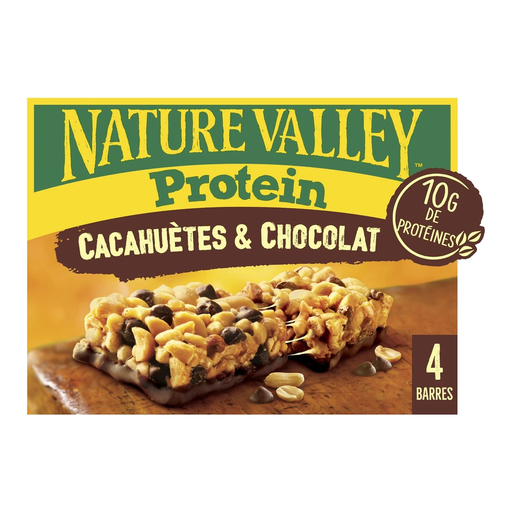 Image unavailable
A compact pack with four portions to share. The product listing describes individually wrapped bars and states that they contain peanuts, soya and milk. Check that the recipe is suitable for each person, and check the date on the batch you buy.
 Image unavailable
Ten bars could be a good choice if you’re preparing more portions. Before sharing them out, check whether they’re individually wrapped. The brand details differ between the title and part of the description, so check the product name on the packaging, along with the allergens and batch date.
 Image unavailable
This pack of ten portions could come in handy for preparing several lunchboxes. If you’re comparing protein per bar, check the value on the packaging: two parts of the product listing give different amounts. Also check the individual packaging, allergens and batch date.
Start by working out how many bars you need, then check their weight and whether they’re individually wrapped. For example, Auchan lists 8 individually wrapped Nature Valley bars, each weighing 40 g. A larger pack is only useful if you plan to hand out more portions.
Yes. This claim doesn’t tell you whether the bar contains other allergens. Nature Valley describes its Protein Peanut & Chocolate recipe as gluten-free, but it contains peanuts. Check the ingredients and allergen information for the version you plan to share.
For prepacked food, France’s Directorate-General for Competition Policy, Consumer Affairs and Fraud Control highlights information including the ingredients list, nutrition declaration, net quantity, best-before date or use-by date. Read this information on your chosen product before preparing the portions.
Not necessarily. Aldi has listed packs of 4 protein cereal bars, but a catalogue listing doesn’t guarantee that your local store will have them in stock on the date you need them. Check local availability before relying on that product.