People planning several snacks
You’re looking for individual portions for several days or for more than one person. The number of bars and their weight matter just as much as whether you’ll finish the pack before its stated date.


When choosing a multipack of protein bars as part of your weight-management approach, start by working out how many portions you’ll realistically eat. Then compare the calories, sugars and protein per bar and per 100 g. A larger pack doesn’t make the recipe more suitable for your snack: check the ingredients and allergens too before buying several bars.
You’re looking for individual portions for several days or for more than one person. The number of bars and their weight matter just as much as whether you’ll finish the pack before its stated date.
You’re considering a bar as a snack while managing your weight. The word “protein” doesn’t replace checking the nutritional information per serving.
You’d like to take a bar with you for around the time you exercise. Compare its ingredients and serving size with the snack you had planned, without assuming it will affect your weight.
Start with a format you’ll use, then check the nutritional information per bar. Finally, make sure the ingredients are suitable for everyone who’ll be eating them.
| What to consider | What to check | Who is it for? |
|---|---|---|
| Pack size and how often you’ll use it | Count the bars, note the weight of each one and think about how many portions you’ll actually eat. | If I’m planning snacks for several days, I want a pack that suits my routine rather than bars that go uneaten. Around 31% of consumers put making the most of the pack first. |
| Calories and sugars | Compare the calories and sugars per 100 g, then per bar as you’ll actually eat it. | For a snack that fits into my weight-management approach, I need to know the calories and sugars in each portion. Around 31% of consumers make this check a priority. |
| Protein per serving | Check how much protein is in each bar and its size, rather than relying on the wording on the packaging. | When I take a bar with me for a workout, I look for a portion with a clearly stated protein content. Around 25% of consumers prioritise this practical benefit. |
| Ingredients and allergens | Check the ingredients list, highlighted allergens and any warnings about sweeteners. | If there are ingredients I need to avoid, I want to be able to rule out the recipe before buying several bars. Around 13% of consumers put ingredient suitability first. |
A pack of four bars and a box with lots of portions won’t suit the same routine. A pack that’s too large could also leave you stuck with a recipe you don’t like.
Check the number of bars and their weight. If you haven’t tried the product before, consider starting with a smaller pack.
Deporvillage’s product information for the Multipower Power Layer lists 241 kcal and 17.4 g of sugars per 60 g bar. So the protein content alone doesn’t tell you everything about this portion.
Compare the calories, sugars and protein per bar together, taking the snack you have planned into account.
The recipes listed by E.Leclerc Parapharmacie and Auchan contain various allergenic ingredients. Some product pages also mention sweeteners or a warning about excessive consumption.
Check the ingredients list and allergens on the packaging of the product you choose, especially if you need to avoid certain ingredients.
A Carrefour product page for FULFIL lists a pack of 3 × 40 g alongside nutritional information for a 55 g bar. Another page for a larger multipack gives weight details that don’t match.
Before comparing the figures per bar, check the number of bars, their weight and the nutritional information on the packaging you’re buying.
Carrefour offers, among other options, a small multipack of Protein cereal bars in a 4 × 32 g format. These should be distinguished from protein bars with a different nutritional profile.
The Variety Pack Protein listed by Carrefour contains four 40 g cereal bars in a selection of flavours.
E.Leclerc Parapharmacie describes a chocolate option sold in a pack of six bars.
Auchan describes a 55 g chocolate and hazelnut bar with 19 g of protein and 1.1 g of sugars per bar.
Deporvillage describes the Power Layer 33% as a box of 18 × 60 g bars, with 19.8 g of protein per bar.
This selection mainly features multipacks of ten individually portioned protein bars, as well as a single bar for comparing formats. If you’re managing your weight, compare the portion you’ll actually eat with the nutritional information for each recipe.
 Image unavailable
This multipack is a good option if you want to spread ten individual portions across several snacks. The stated pack weight is 650 g. Compare the nutritional information per bar and check the ingredients and allergens on the packaging.
 Image unavailable
Ten individually wrapped bars are handy for planned snacks or taking with you. For this flavour, check the packaging for the protein content per bar. Also look out for polyols, allergens and any warning about excessive consumption.
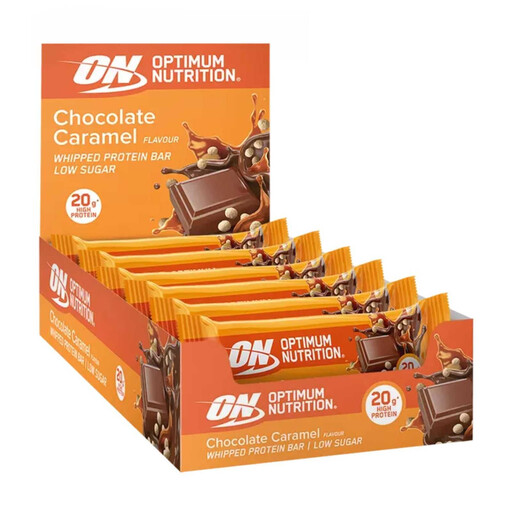 Image unavailable
This multipack contains ten 60 g portions to enjoy as snacks over time. Check the packaging for the protein content of this flavour, as well as polyols, allergens and any warning about excessive consumption.
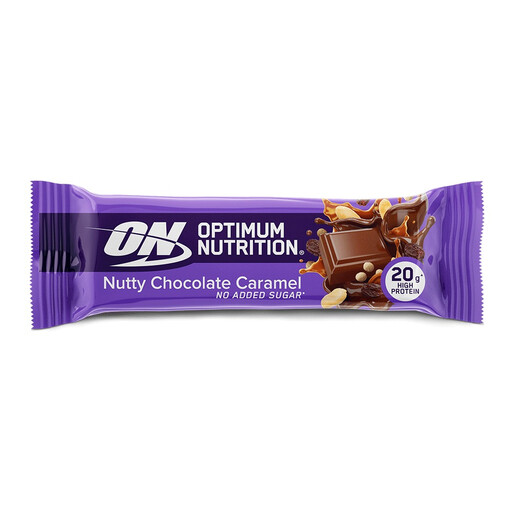 Image unavailable
This pack of ten 70 g bars is for those planning individual portions of this size. Include the calories and sugars per bar in your comparison, and check the ingredients and allergens in this recipe too.
 Image unavailable
This single bar lets you try an individual portion before choosing several. The stated product weight is 55 g. Check the pack size you’re buying and read the nutritional information and allergens on the packaging.
Choose a number of portions that fits how many you expect to eat, then check the weight of each bar. For example, Carrefour offers packs of four 32 g or 40 g bars, so the number of bars alone isn’t enough to compare portion sizes.
No. Its protein content alone isn’t enough to tell you whether it’s a suitable snack. Compare the calories, sugars and protein per 100 g and per portion, then consider how that portion fits into the way you plan to use it.
Read the ingredients list, highlighted allergens and nutritional information. The Directorate-General for Competition Policy, Consumer Affairs and Fraud Control states that nutritional information is presented in a table and given per 100 g or 100 ml. The bar’s weight then helps you assess the portion.
Check the ingredients list, highlighted allergens and any ‘may contain’ warnings on the packaging of the product you choose. The recipes mentioned in this article differ, so don’t assume that a flavour or brand has the same ingredients as another.
The word “protein” alone doesn’t mean it can be considered a meal replacement. If that’s how you want to use it, check the product description and instructions rather than making assumptions based on its protein content.