Households that need to avoid a specific allergen
‘High-protein’ or ‘gluten-free’ does not replace checking the ingredients. For each variant, look at the ingredients, the allergens highlighted on the label and any ‘may contain’ information.


When choosing a protein bar multipack for a household affected by a food allergy, first check the ingredients and any ‘may contain’ information for the allergen that needs to be avoided. Then compare the number of bars, their weight and the nutritional information per portion. Neither the size of the pack nor a ‘gluten-free’ label is enough to establish whether it is suitable for someone with a different allergy.
‘High-protein’ or ‘gluten-free’ does not replace checking the ingredients. For each variant, look at the ingredients, the allergens highlighted on the label and any ‘may contain’ information.
A multipack of bars can be handy for sharing out snacks, provided the recipe is suitable for your household. The number of bars and their weight help you compare what’s in each box.
If the amount of protein in each bar matters to you, check the nutritional information per portion rather than relying on the product name alone. First, check the ingredients relevant to the allergy in question.
When shopping with a food allergy in mind, check the ingredients in the multipack before comparing formats. You can then use the nutritional information to compare the bars that are still suitable options.
| What matters | What to check | Who it matters to |
|---|---|---|
| Allergen to avoid | Ingredients and allergens highlighted on the pack; any ‘may contain’ information relating to the allergen identified. | If someone in my household needs to avoid a specific ingredient, I want to rule out a recipe before considering anything else. Around 44% of consumers put checking for allergens first. |
| Pack size | Number of bars and weight of each portion, after checking the ingredients. | When planning several snacks, I need to know how many portions the box actually contains, without choosing a format that isn’t suitable for my household. Comparing pack sizes comes first for around 33% of consumers. |
| Ingredients in each bar | Protein per portion in the nutritional information; ingredients used in the recipe. | If I’m comparing bars by their protein content, the amount per bar is more useful to me than a figure given only per 100 g. Around 23% of consumers prioritise comparing protein per portion. |
A gluten-free bar can contain other allergens. The gluten-free Nature Valley recipe featured by Carrefour contains peanuts, soya and milk.
Identify the specific allergen to avoid, then check the ingredients of the variant you’re buying rather than relying on a single label on the packaging.
The Auchan Eat’N Move multipack featured by Auchan contains wheat, milk and soya. Its product information also mentions possible traces of egg, peanuts, tree nuts and sulphites.
Check the recipe and any ‘may contain’ information on the multipack before choosing it for someone who needs to avoid these allergens.
If the multipack isn’t suitable, you could end up with a whole box you can’t use.
Protein content and portion sizes vary between recipes. The term also tells you nothing about which allergens the product contains.
Compare the nutritional information per bar only after checking the ingredients and any relevant information for your household.
Carrefour features, among other options, packs of four 40 g bars and a gluten-free variant.
E.Leclerc features a box of six high-protein chocolate bars.
Auchan features caramel protein cereal bars in a pack of five 32 g portions.
The chocolate and hazelnut bar featured by Auchan is a single 55 g bar, not a multipack.
E.Leclerc features, among other options, a single 46 g banana-flavour bar.
These protein bar multipacks let you compare formats containing four or ten portions. For each one, the ingredients in the specific variant and the label on the pack are key if someone in your household needs to avoid an allergen.
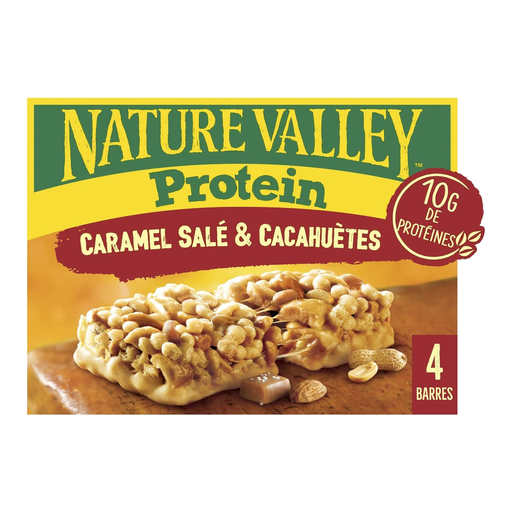 Image unavailable
This multipack is a useful format to compare if you’re looking for four portions. Information for this variant lists peanuts, soya, milk and almonds. Also check the pack for any ‘may contain’ information.
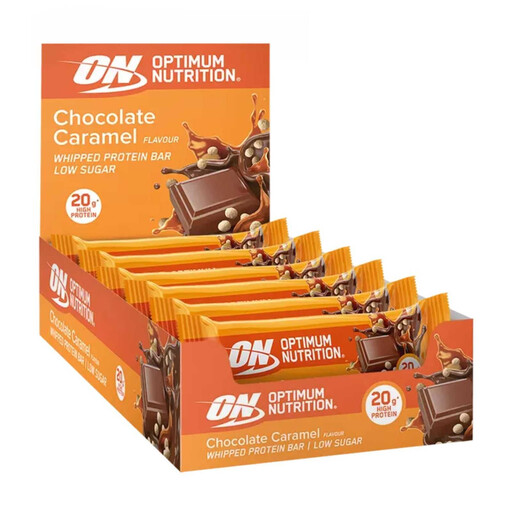 Image unavailable
The box contains ten individually wrapped portions, making it worth considering if you’re planning several snacks. Information for this variant lists milk and soya, as well as possible traces of gluten, egg, tree nuts and peanuts. Check the label on the pack.
 Image unavailable
This box of ten bars gives you several portions to plan with. Information for this variant lists milk, soya and wheat, as well as possible traces of egg, tree nuts and peanuts. Check the label on the pack for the allergen in question.
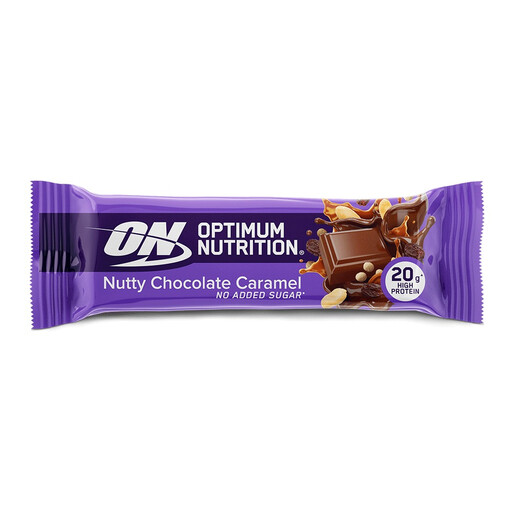 Image unavailable
This ten-portion format can be compared with other boxes by looking at the weight of each bar. Information for this variant lists milk, soya and peanuts, as well as possible traces of gluten, egg and tree nuts. Check the pack before choosing it.
 Image unavailable
The box contains ten portions. The detailed ingredients for this variant list peanuts, while the allergen summary includes them under possible traces. This discrepancy means you should check the label on the pack before choosing it for someone with an allergy. Milk and soya are also listed.
Not necessarily: these labels relate to different ingredients. The gluten-free Nature Valley recipe featured by Carrefour contains peanuts, soya and milk. Always check the ingredients of your chosen variant for the allergen you need to avoid.
Check the ingredients list on the packaging. According to Your Europe and the DGCCRF, any allergens present must be highlighted there. Also look for any ‘may contain’ information relating to the allergen you need to avoid.
Yes, if it refers to an allergen the person needs to avoid. Anses explains that this wording can indicate a potential presence. For advice on managing an individual allergy, follow the guidance of the healthcare professional looking after the person concerned.
It can help you shortlist a variant, but check the ingredients and any ‘may contain’ information on the label of the pack you buy before eating it. This is especially important if several recipes have similar names or if the product information is contradictory.