Households preparing several lunches
If you’re organising meals or days out during the holidays, the number of bars and their individual weight can help you plan the portions you’ll need.


To prepare several lunches during the school holidays, first choose a multipack with a number of bars and portion size that suit the meals you have planned. Then check the ingredients and nutritional information for the exact recipe. A bar can be easy to take with you, but that alone does not make it a complete lunch, especially for a child.
If you’re organising meals or days out during the holidays, the number of bars and their individual weight can help you plan the portions you’ll need.
You want to compare the protein, sugar and other nutritional information per bar, without assuming that the word ‘Protein’ alone tells you how the product fits into a meal.
If several people will be sharing a multipack, the recipe and allergens for each product matter just as much as the pack size shown on the box.
Start by deciding how the bar will fit into the lunches you have planned. This makes it easier to compare portions that work for your household, without confusing a Protein cereal bar with a sports nutrition bar or a meal.
| What to consider | What to check | Who is it for? |
|---|---|---|
| Number of portions | Count the bars and check their individual weight: four 32 g bars and four 40 g bars don’t contain the same total amount. | When I’m preparing several lunches, I want to know how many portions I can plan for with the multipack. Around 46% of consumers prioritise the number of portions. |
| Ingredients and allergens | Compare the nutritional information per 100 g and, if shown on the packaging, per bar; read the ingredients and allergen information for the exact recipe. | If someone in my household needs to avoid certain ingredients, I need to check the bar before sharing it. Around 36% of consumers prioritise whether the ingredients are suitable. |
| How it fits into lunch | Decide whether the bar will be part of a prepared meal and whether its individual packaging suits how you plan to carry it. | For a day out, I’m looking for a portion that’s easy to take with me, without assuming it will make up the whole lunch. Around 18% of consumers prioritise portability. |
Available formats include boxes of four 32 g bars, four 40 g bars and multipacks of fifteen bars. Neither the number of bars nor their weight is the same.
Check how many bars you’ll actually use and how each one will fit into the lunches you have planned.
Different flavours or brands can have different ingredients and allergen lists. This is particularly important if someone needs to avoid an ingredient.
Read the label for the recipe you’ve chosen. According to the DGCCRF, allergens must be highlighted in the ingredients list on prepacked foods.
Individual packaging makes a bar easy to carry, but doesn’t determine what the meal should contain. A cereal bar, sports nutrition bar or bar designed for another purpose won’t automatically suit the whole family.
Decide how the bar will fit into the prepared meal, especially if the lunch is for a child.
The range includes Protein cereal bars in boxes of four 32 g bars, including seed and chocolate, and red berry varieties.
This range of Protein cereal bars includes a Variety Pack of four 40 g bars. Auchan also stocks a pack of eight bars.
The chocolate and hazelnut option listed by Auchan is an individually wrapped 55 g protein bar.
E.Leclerc Parapharmacie lists a chocolate option in a pack of six bars, as part of a range intended for a specific dietary use.
Carrefour’s product listing for Protein Plus 30% Vanilla Caramel describes a pack labelled as containing fifteen 55 g bars.
Both Optimum Nutrition boxes contain ten individually wrapped protein bars to consider as part of packed lunches. The bars aren’t the same weight, so check the recipe and how each one will fit into the meal.
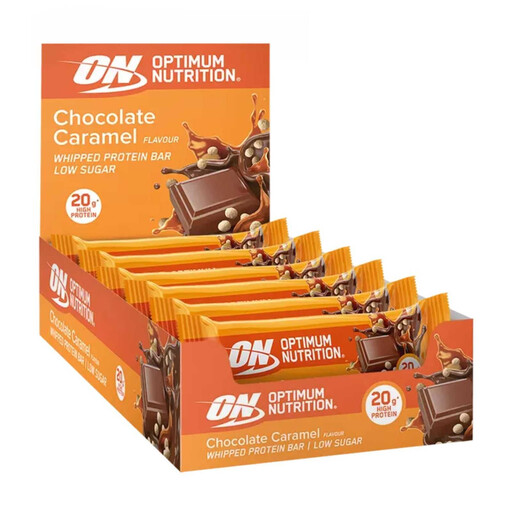 Image unavailable
If you’re planning several individual portions to take with you, this box contains ten 60 g bars. Before adding them to your household’s lunches, check the ingredients and allergens for the exact flavour on the packaging. A bar isn’t automatically a complete meal.
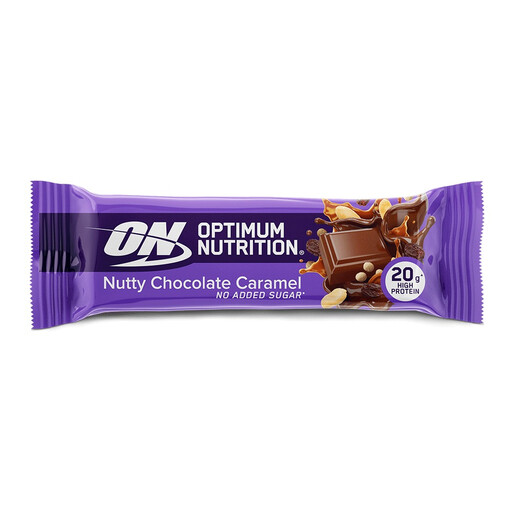 Image unavailable
For ten individual 70 g portions to take with you. Each bar weighs more than the bars in the other box featured here. Check the ingredients and allergens for this recipe before deciding who it’s suitable for.
Look at the number of bars, their individual weight and the total weight. A box of four 32 g bars and a box of four 40 g bars offer the same number of portions, but not the same total amount. To compare their ingredients, use the nutritional values per 100 g.
Don’t assume so: plan the meal first, then decide whether a bar has a place in it. ANSES guidance on snacks relates to the school setting and structured meals; it doesn’t confirm that any particular bar is suitable as a holiday lunch for a child.
Check the ingredients, highlighted allergens, bar weight and nutritional information per 100 g. Also look at the values per portion where they’re provided. The DGCCRF notes that information per 100 g makes it easier to compare foods.
No. It doesn’t replace checking the exact recipe. For example, Auchan’s listing for FULFIL Chocolate Hazelnut includes milk, soya, hazelnuts, oats and peanuts, among other ingredients. You’ll need to check the ingredients of any other bar separately.