
Livraison le jour même ou le lendemain

Qualité garantie

Débloquez vos offres de bienvenue: Livraison GRATUITE | Jusqu'à -80 % | 30 jours d'essai gratuits à JoyPlus
Téléchargez l'application
The protein bar aisle is a minefield. Between the flashy wrappers and complex nutritional claims, it's easy to get lost. Worse yet: many of these products, marketed as weight-loss or performance aids, are just candy bars in disguise. I'm a product expert at Joybuy, and my role is to help you decode the labels to make an informed choice that's truly aligned with your goals.
To ensure you don't regret your purchase, here are the most common mistakes to watch out for.
To make the right choice, forget the marketing slogans and focus on the label. That's where the truth lies.
This is the number one criterion. A good high-protein bar must contain significantly more protein than sugar. This is non-negotiable.
A short ingredients list is almost always a sign of quality.
Because everyone's needs are different, here are a few products that passed our test, tailored for various profiles.
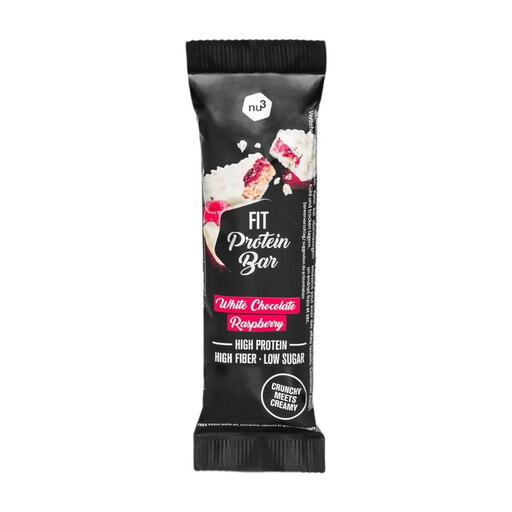
Why we chose it: Perfect for post-workout, this bar is for those who are serious about their protein intake. Its nutritional profile is tailored for recovery and muscle repair after exercise.
It masterfully avoids the "fake healthy bar" trap with an exemplary protein-to-sugar ratio. According to nu3, it contains 90% less sugar than a conventional candy bar.
32% protein (or 17.6g per bar) for only 2.5g of sugar. All without palm oil.
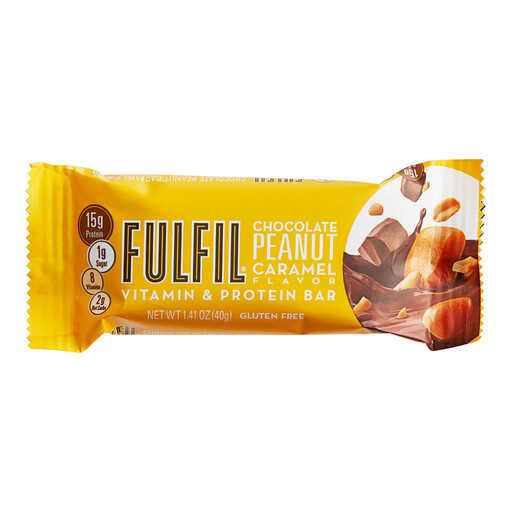
Why we chose it: For those with a sweet tooth who want to satisfy a craving without blowing their macros. Its taste and texture are worthy of a candy bar, but its nutritional profile is impeccable for a protein snack.
It proves you can combine indulgence and performance. With only 1 gram of sugar, it knocks out most of the supposedly "healthy" alternatives from the supermarket.
15g of protein for only 1g of sugar. Bonus: it's fortified with 9 essential vitamins, making it a snack that's as smart as it is delicious.
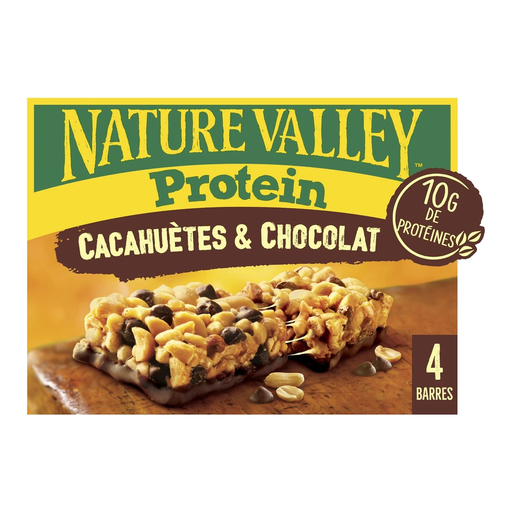
Why we chose it: The smart and accessible option for a protein boost during a marathon day. It's the perfect choice to tide you over, in a much smarter way than an industrial biscuit.
No false promises here. Its profile is honest: a solid protein boost in a snack that embraces its indulgent side without pretending to be "sugar-free".
A well-thought-out balance with 10g of protein and a good dose of fibre for satiety. The first ingredient? Roasted peanuts. Simple as that.
We have curated a full range of products that meet our quality standards and regulations.
When is the best time to eat a protein bar? It all depends on your goal. To optimise recovery, it's best to eat one within 30 to 60 minutes after your workout. As a hunger-buster to prevent mindless snacking, it's perfect for mid-morning or mid-afternoon.
Can a protein bar replace a meal? Absolutely not. A bar is a snack, a convenient supplement, but it can never replace a real meal. A complete, balanced meal provides a diversity of nutrients (both macro and micro) that a single bar can never match.
How can you spot hidden sugars on a label? Read the ingredients list like a hawk. Be wary of any names ending in "-ose" (fructose, glucose, sucrose, dextrose) and all kinds of syrups (corn, rice, agave, etc.). Maltodextrin is also a disguised fast-acting sugar. For the final verdict, only one line in the nutritional table matters: "of which sugars". That's the one number you should never ignore.