
Livraison le jour même ou le lendemain

Qualité garantie

Débloquez vos offres de bienvenue: Livraison GRATUITE | Jusqu'à -80 % | 30 jours d'essai gratuits à JoyPlus
Téléchargez l'application
Housekeeping, cooking, DIY projects, or professional use... choosing protective gloves seems simple enough. But that's only on the surface. The market is a jungle of options with varying claims, and it's all too easy to end up with an unsuitable product that tears at the first sign of use or, worse, offers no real protection. To avoid disappointment, it's best to be aware of a few common pitfalls.
First pitfall: assuming all disposable gloves are created equal. Spoiler alert: an entry-level vinyl glove will never match the chemical resistance of a nitrile model. Second trap: ignoring certifications, especially for food contact. Using a non-approved glove for cooking is a classic mistake. Finally, many people underestimate the importance of the material, exposing themselves to latex allergies or a debilitating lack of comfort and dexterity.
This guide breaks down the essentials to help you find the perfect glove for your needs, combining safety, comfort, and practicality.
To make the right choice, focus on three key factors: the material, the type of use (disposable or reusable), and the certifications.
The choice of material is crucial, as it directly impacts the glove's durability, flexibility, and safety.
The choice primarily depends on your intended use and hygiene requirements.
For kitchen use, the "food contact" certification is non-negotiable. It is often represented by a glass and fork pictogram (EC 1935/2004 logo). This certification guarantees that the glove's materials will not transfer any harmful substances to food. Nitrile food-grade gloves are particularly recommended for handling all types of food, including fatty or oily substances.
To guide you, here is our selection of reliable products, categorized by primary use case.
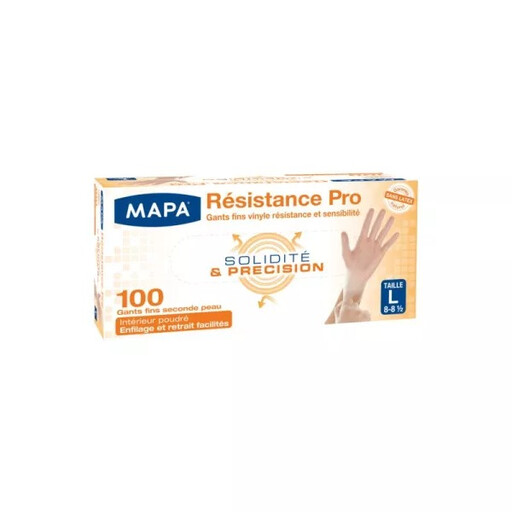
Why we love them: These vinyl gloves are suitable for a multitude of everyday tasks: light cleaning, small precision jobs, or handling non-greasy foods. Their latex-free formula is ideal for sensitive skin.
This is the ideal solution for multi-purpose protection without the extra cost of nitrile, while also eliminating the risk of latex allergies.
The comfortable fit preserves dexterity, and the box of 100 is perfect for never running out.
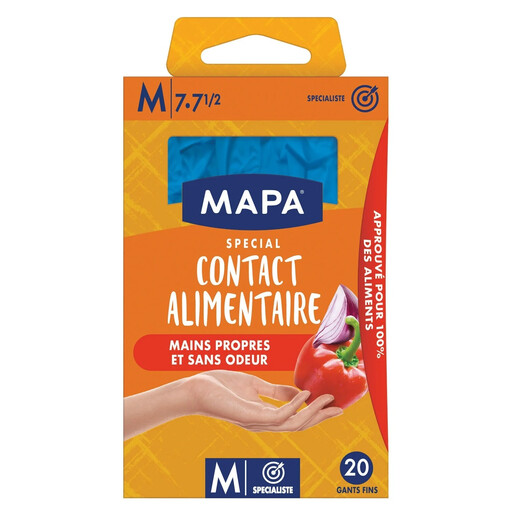
Why we love them: Specifically designed for the kitchen, these nitrile gloves are certified for contact with all foods. Ideal for handling meat, fish, or vegetables with impeccable hygiene.
No more guesswork in the kitchen! The "all foods" certification, including fatty items, is a true guarantee of safety.
Nitrile protects hands from lingering odours (garlic, onion, fish) and ensures excellent durability, all without latex.
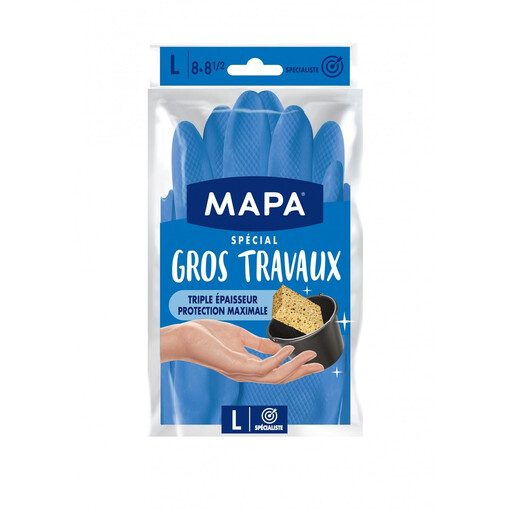
Why we love them: DIY, gardening, major construction... for these jobs, durability isn't optional. These reusable gloves combine the strength of triple-layer latex with the comfort of a cotton lining.
Forget using flimsy disposable gloves for heavy-duty work! These prevent tears and effectively protect against cuts and harsh chemicals.
Their triple-layer thickness provides superior mechanical and thermal protection, while the cotton lining absorbs sweat for added comfort.
For needs such as protection against intense heat, we have selected products that meet the most demanding safety standards.
An incorrect size can make the glove uncomfortable or even dangerous. A glove that's too tight restricts blood flow and can tear, while one that's too loose reduces dexterity. Most manufacturers provide a sizing guide on the packaging, often based on palm width. Measure your hand and follow these guidelines for a perfect fit.
Yes, absolutely. Nitrile gloves are an excellent alternative for several reasons. They are hypoallergenic (latex-free), which eliminates the risk of skin reactions. They also offer superior resistance to punctures and many chemicals compared to latex. Their growing popularity in the medical, food, and industrial sectors is a testament to their reliability.
It all depends on the type of glove. Reusable gloves, such as thick household models made of latex or nitrile, are designed to be cleaned. After use, simply rinse them with clean water, wash them with mild soap if needed, and then let them air dry away from any direct heat source. In contrast, disposable gloves are for single use only and must be thrown away after each use to ensure hygiene and safety.