
Livraison le jour même ou le lendemain

Qualité garantie

Débloquez vos offres de bienvenue: Livraison GRATUITE | Jusqu'à -80 % | 30 jours d'essai gratuits à JoyPlus
Téléchargez l'application
DIY, motorcycling, cleaning, cooking… A good pair of protective gloves is an essential reflex. Yet, when faced with an overwhelming number of options, it's easy to make a mistake and end up with a product that's unsuitable, or even dangerous. As a product expert at Joybuy, my mission is to help you cut through the noise and identify the criteria that truly matter.
But before we dive into our top picks, let's review the common mistakes to avoid when buying your gloves.
Making the right choice comes down to three pillars: the material, the level of protection, and the little extras that make all the difference.
The choice of material should be dictated by your intended use.
The "CE" markings and "EN" standards are not just logos. They certify that the gloves have passed rigorous tests. Here are the essential standards to know:
Certain details can transform the experience and greatly improve the comfort and practicality of your gloves.
To put theory into practice, here is a selection of products tailored for specific uses.
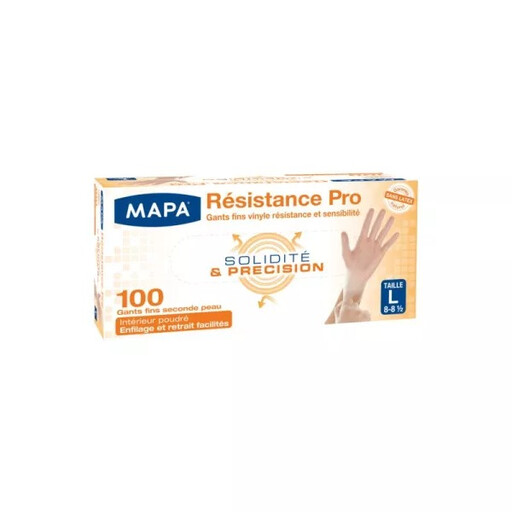
Why we chose it: Perfect for daily cleaning, light food handling, or small precision jobs that require dexterity.
Its latex-free vinyl composition eliminates the risk of allergies, a common pitfall. The disposable format ensures impeccable hygiene with every use.
The "second skin" effect provides excellent tactile sensitivity, ideal for meticulous tasks that demand precision.
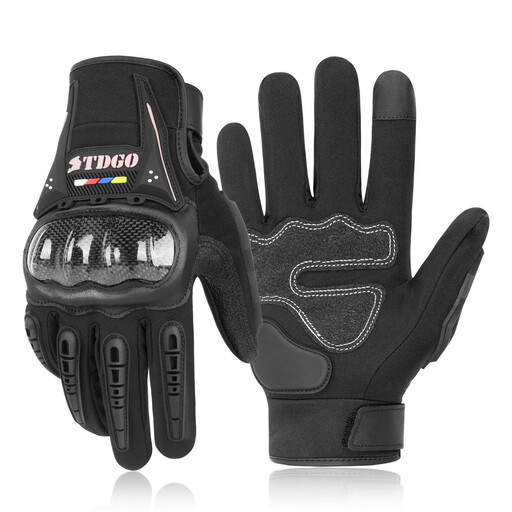
Why we chose it: Built for the road, this model combines specific safety protections with modern features for the rider's everyday comfort.
It incorporates a rigid carbon fibre shell for knuckle protection, avoiding the trap of "moto-style" gloves that are merely for show and offer no real protection in a fall.
The touchscreen compatibility and breathable fabric make them the ideal road companion, for daily commutes and long rides alike.
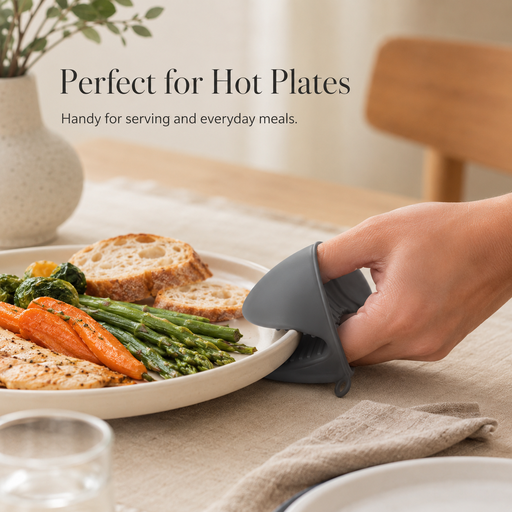
Why we chose it: Specifically designed for safely handling hot dishes from the oven, microwave, or barbecue.
The silicone is waterproof and heat-resistant, unlike fabric oven mitts which, once damp, become not only ineffective but also dangerous.
Its non-slip texture ensures a foolproof grip on dishes, and its non-porous surface cleans in a flash, ensuring perfect hygiene.
We have compiled a complete selection of products approved by our experts, meeting strict safety and performance criteria.
Rely on the size guide provided by the manufacturer. The principle is simple: measure the circumference of your dominant hand (excluding the thumb) with a tape measure. The measurement in centimetres usually corresponds to the European size. The ideal glove should conform to the shape of your hand without compressing it and allow for complete freedom of movement.
Absolutely. Nitrile gloves are the go-to solution for people with latex allergies. They offer superior resistance to punctures and many chemicals. Although they were slightly less elastic in the past, recent models have made huge strides in flexibility and comfort.
It all depends on the type of glove. Thin nitrile, vinyl, or latex models are single-use: they must be discarded after use for hygiene reasons and because their protective barrier is no longer guaranteed. Conversely, thick household, motorcycle, ski, or silicone kitchen gloves are designed to last and can be cleaned (according to the manufacturer's instructions) and reused many times.