
Livraison le jour même ou le lendemain

Qualité garantie

Débloquez vos offres de bienvenue: Livraison GRATUITE | Jusqu'à -80 % | 30 jours d'essai gratuits à JoyPlus
Téléchargez l'application
A pair of protective gloves shouldn't be chosen based solely on price or an "ultra-tough" promise. From disposable nitrile gloves for cleaning, to food-contact-compatible models, cut-resistant gloves and thick work gloves, the differences in materials and uses are far from trivial.
Yet the most common mistakes are easy to avoid:
Here are the criteria to consider before placing your order, followed by a selection tailored to different user profiles.
Nitrile is a synthetic rubber used in many disposable nitrile gloves. It offers a good balance of flexibility, tear resistance and tactile sensitivity. Textured-surface models improve grip during cleaning, light DIY or food preparation, provided the product listing states they are suitable for food contact.
Vinyl is better suited to short, undemanding tasks: everyday cleaning, light handling, precision work or food contact when this use is explicitly stated. It is often part of latex-free gloves, but that does not mean it resists strong solvents, concentrated acids or sharp objects.
Natural latex generally offers good flexibility and a comfortable fit. However, anyone sensitive to natural latex proteins should opt for latex-free gloves in nitrile or vinyl. Food-grade silicone gloves, on the other hand, are designed to withstand high temperatures and handle hot containers, within the limits set by the manufacturer.
A thin disposable glove does not have the same role as a cut-resistant glove or a reinforced work glove.
Terms like "resistant" or "professional" are not enough on their own. Always check the usage limits, pictograms and any standards listed.
A glove that is too tight will tire your hand and may tear at the fingers. Too loose, it reduces precision and can slip. Compare the seller's size guide with the width of your palm, then choose gloves in size S, M, L or XL based on the measurements given.
The packaging is also worth a look:
To limit cross-contamination, change your pair between different tasks and remove your gloves without touching the outer surface with your skin.
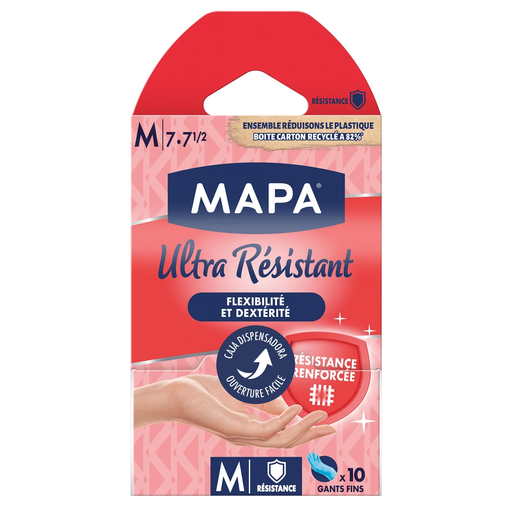
Why this choice suits this profile: This pack of 10 gloves is suitable for household chores, light DIY tasks and occasional precision handling.
The nitrile and textured fingers reduce the common problems of gloves that are too thin, which tend to slip easily.
Latex-free nitrile, textured surface and size M. Single use only; avoid strong acids and sharp objects.
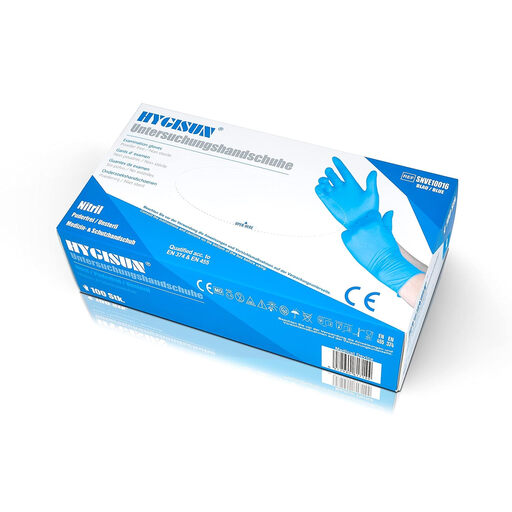
Why this choice suits this profile: This pack of 100 gloves is aimed at regular users looking for a versatile option for the kitchen, cleaning or certain professional tasks.
The product listing mentions a textured surface, a latex-free design and powder-free manufacture – so the product does not rely solely on a marketing promise.
The listing states EN 455, EN 374 and EN 420 standards, as well as possible use for food contact. However, always check the information on the packaging.
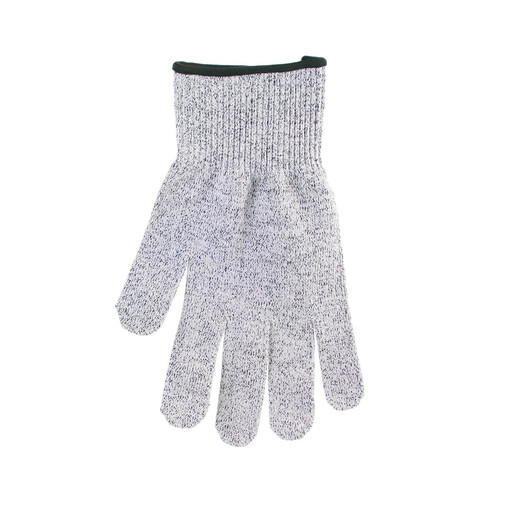
Why this choice suits this profile: This reusable glove is designed for cooks who regularly use knives, mandolines, graters or peelers.
The listing states it is neither fully cut-resistant nor puncture-proof – so you cannot mistake it for a guarantee against all accidents.
Ambidextrous model, reusable and hand-washable. Check its condition before each use and replace it if the fibres are damaged.
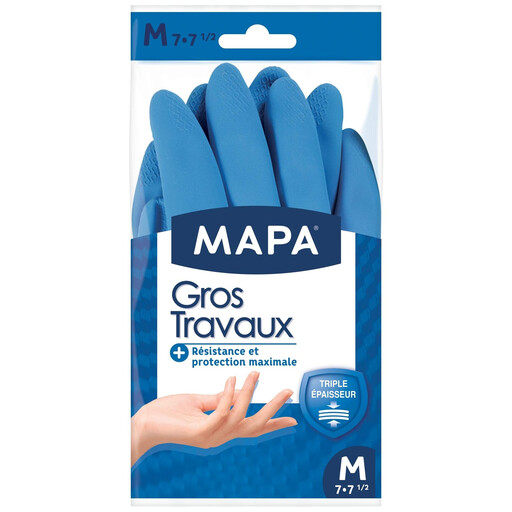
Why this choice suits this profile: This washable pair is intended for gardening, construction, DIY and tasks that require thicker protection.
The triple-thickness natural latex construction and cotton lining clearly signal heavy-duty use, without claiming to be suitable for everything.
Stated mechanical and thermal protection, cotton lining and can be rinsed. Do not use with solvents, live parts or if you have a latex sensitivity.
We have put together a comprehensive, real-time updated selection of products that meet these demanding criteria and European safety regulations.
No. They are suitable for many everyday tasks, but do not replace cut-resistant gloves, heat-resistant gloves or chemical-resistant models. Check the limits stated on the packaging before using them.
Vinyl gloves are made from PVC and are generally free from latex. However, the term "latex-free" only indicates the absence of natural latex; it does not, on its own, tell you about the glove's resistance or its suitability for food contact.
It all depends on how often you use them and how you care for them. Inspect them before each task and replace them as soon as you see holes, cracks, frayed edges or exposed fibres. For disposable models, single use is still recommended, even if the glove appears intact.