
Livraison le jour même ou le lendemain

Qualité garantie

Débloquez vos offres de bienvenue: Livraison GRATUITE | Jusqu'à -80 % | 30 jours d'essai gratuits à JoyPlus
Téléchargez l'application
A pair of protective gloves shouldn't be chosen on price or looks alone. Between cycling gloves that are too thick, ill-fitting motorcycle gloves and disposable models that tear within minutes, certain details can make the difference between a worthwhile purchase and a purchase you soon regret.
Before comparing models, keep three common pitfalls in mind:
For sporting activities, cycling gloves and bike gloves made from polyester or stretch fabric generally focus on freedom of movement and moisture wicking. A microporous fabric, like the one featured on the motocross model shown below, can improve airflow and reduce the feeling of clammy hands.
Motorcycle gloves, whether intended for the road or off-road, require closer inspection. In particular, check for:
CE marking and reference to EN 13594 can be relevant for motorcycle gloves considered as personal protective equipment. However, their presence and scope must be confirmed on the product page or packaging. A simple marketing mention is not enough to prove compliance.
For household chores, decorating or hair colouring, latex gloves and vinyl gloves serve a different priority: keeping hands clean and making everyday tasks easier. Unless specifically stated, they are not designed to withstand strong acids, solvents or sharp objects.
Size directly affects the precision of your movements and the stability of the glove. Measure the width of your palm and, if the manufacturer provides it, the length of your hand. For size L gloves, rely on the stated dimensions rather than your usual size.
A driving model offered in size L has a palm width of approximately 8 to 8.5 cm and a length of 20 cm. If you have a wide palm or are between two sizes, the larger size may be more comfortable, provided you follow the manufacturer's recommendations.
For disposable gloves, a flexible fit makes them easier to put on. On the other hand, a pair that's too loose can snag on tools or affect precision. Sizes S, M and L can vary from one brand to another: always consult the size chart for the specific product you've chosen.
Breathable gloves are especially welcome on long bike rides, motorcycle trips or during outdoor activities. A hook-and-loop closure and an elasticated wrist help keep the glove in place, without guaranteeing complete waterproofing.
Touchscreen gloves usually incorporate a conductive fibre on the index finger or thumb. This feature allows you to use a phone or GPS without removing your gloves. Its effectiveness can vary depending on the screen, the thickness of the fabric and the precision of your touch: it should not, therefore, be taken as universal compatibility.
For sports gloves, the right balance is often found between mobility, ventilation and grip. For protective gloves intended for DIY, abrasion resistance and hand coverage become more important.
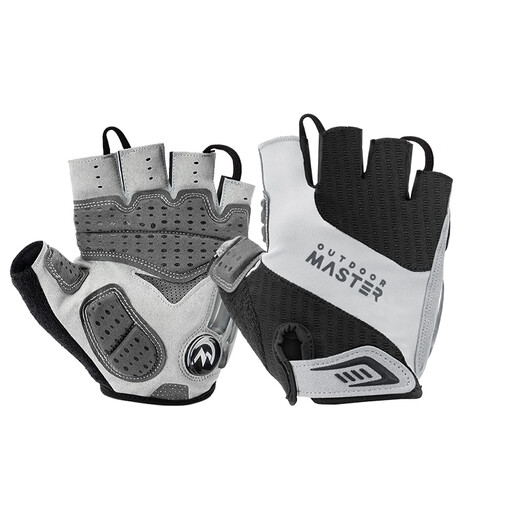
Why this choice suits this profile: this size L is suitable for cyclists looking for a pair for everyday rides, with an easy-to-spot orange colour.
The product page clearly distinguishes the model, colour and size: the risk of ordering the wrong variant is therefore reduced.
A clearly identified cycling model, available in size L and offered in a highly visible colour.
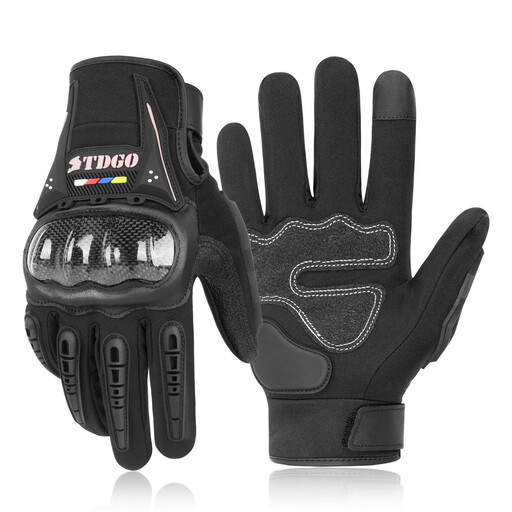
Why this choice suits this profile: this pair is aimed at motorcyclists, motocross riders and cyclists who want multiple features for their regular outings.
The product page specifies the limits of use: this model is not designed for heavy rain or prolonged immersion. The protections should also be checked before each use.
Carbon fibre knuckle protectors, breathable polyester fabric, touchscreen function on the index finger and adjustable wrist.
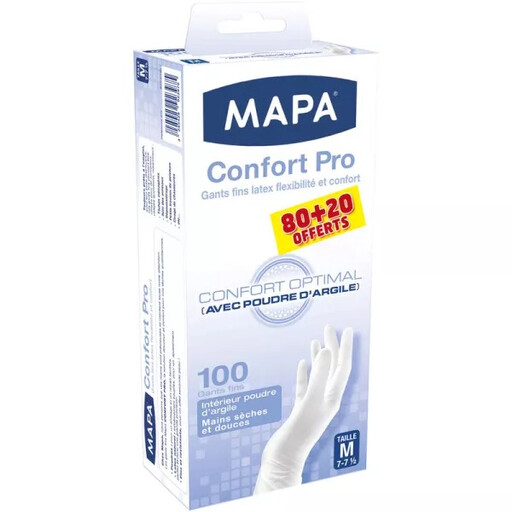
Why this choice suits this profile: the pack of 100 gloves is suitable for frequent household chores, decorating and activities that require changing pairs regularly.
The product page states that this is a single-use natural latex model with a powdered interior: impossible to confuse with powder-free gloves.
Box of 100 units, fine and flexible natural latex, powdered interior for easy donning. Avoid if you have an allergy to natural latex proteins.
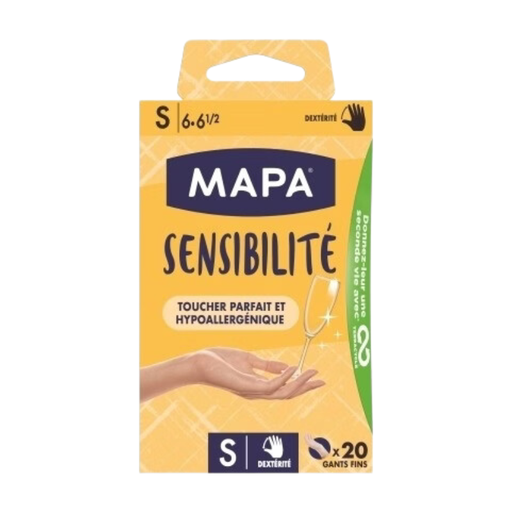
Why this choice suits this profile: this format is suitable for individuals who occasionally do messy tasks and are looking for an alternative to natural latex.
The composition is clearly stated: vinyl, latex-free and powder-free. This makes it easy to compare with latex gloves before ordering.
Latex-free vinyl, powder-free, pack of 20 gloves and size S. The product page describes them as hypoallergenic; any skin sensitivity should still be taken into account.
We've put together a comprehensive, real-time updated selection of products that meet these demanding criteria and European safety regulations.
To extend the life of reusable gloves, let them dry naturally, away from radiators and direct sunlight. Regularly inspect the seams, wrist and protectors. Replace them as soon as a tear, deformation or damaged fastening appears.
Remove disposable gloves carefully, then dispose of them after use. Never reuse a model that is indicated as single-use. For powder-free gloves, check the full composition: 'powder-free' does not automatically mean they are suitable for all substances or all skin types.
Measure the width of your palm and compare it to the manufacturer's size chart. If you're between two sizes or have a wide palm, the larger size may offer more comfort, provided your fingers don't float inside the glove.
They can make it easier to use a phone or navigation system when the touchscreen function is built into the index finger. However, they do not replace motorcycle gloves that are compliant with the intended use. Check the level of protection, closure and safety markings separately.
Latex offers great flexibility, but it is not recommended for people allergic to natural latex proteins. Latex-free, powder-free vinyl is another option for everyday tasks. In all cases, read the label, follow the stated use and do not use the gloves with products for which they are not intended.