
Livraison le jour même ou le lendemain

Qualité garantie

Débloquez vos offres de bienvenue: Livraison GRATUITE | Jusqu'à -80 % | 30 jours d'essai gratuits à JoyPlus
Téléchargez l'application
A pair of gloves might seem easy to pick… until they slip on a wet handlebar, let moisture seep in on the trails, or tear during a household chore. Protective gloves are not all built for the same demands: cold, abrasion, water, cleaning products, precision work or handling tools.
Before you buy, it’s best to avoid three common pitfalls:
Latex gloves are flexible and offer good tactile sensitivity for cleaning, decorating or everyday handling tasks. However, they are not suitable for people with a sensitivity to natural latex proteins. MAPA product sheets also recommend avoiding strong acids, solvents and sharp objects.
Vinyl gloves are a latex-free option suited to precision tasks, food handling and light domestic chores. Disposable models should not be reused and are not a substitute for gloves designed for handling aggressive chemicals.
For work gloves, go for a thicker construction, a grippy palm and, where necessary, the appropriate safety marking. A pair intended for gardening does not automatically offer protection against cuts or electrical risks.
Thermal gloves need to retain warmth while still allowing enough mobility. A lining that is too thick can make adjusting a ski binding or using a bike brake difficult.
For winter sports, check in particular:
Ski gloves and mittens offer different trade-offs. Mittens keep your fingers together, which can help retain heat, whereas separate gloves make precise movements easier.
For cycling gloves, a non-slip palm, reinforcements and a snug fit all help you maintain control of the handlebars. Touchscreen-compatible zones can be handy when you’re stopped, but they should never encourage you to use a screen while the bike or scooter is moving.
In the garage, car detailing gloves need to let you handle a sponge, microfibre cloth or cleaning product without losing precision. A clay glove for bodywork, for example, is not protective equipment against solvents: it is used to decontaminate a wet surface and must be used with a suitable lubricant.
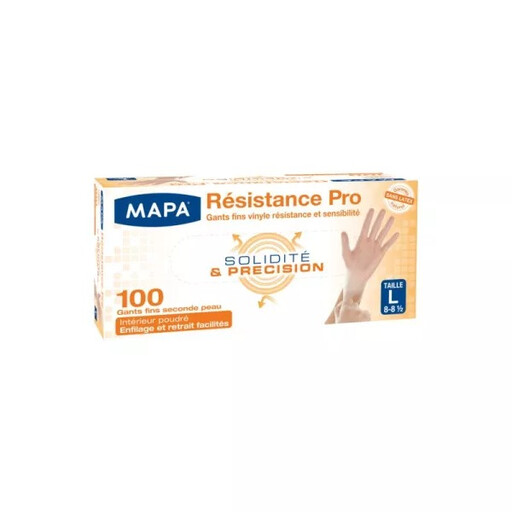
Why this choice suits this profile: This pack of 100 size L vinyl gloves is ideal for household chores, food handling and light precision work where a natural latex-free solution is needed.
The material and glove count are clearly stated. They are intended for single use and are not presented as protection against solvents or sharp objects.
Latex-free vinyl, box of 100 pieces and a fine design for precise handling.
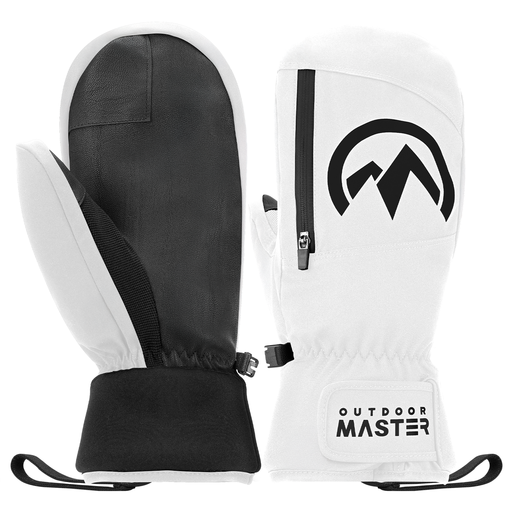
Why this choice suits this profile: These size L mittens are designed for adults seeking enhanced protection for skiing, snowboarding or cold-weather outings.
The mitten shape limits the areas exposed to cold. The product sheet states a windproof and water-resistant design; care and drying remain important factors.
Adult fit, suitable for skiing and snowboarding, stated wind and moisture protection.
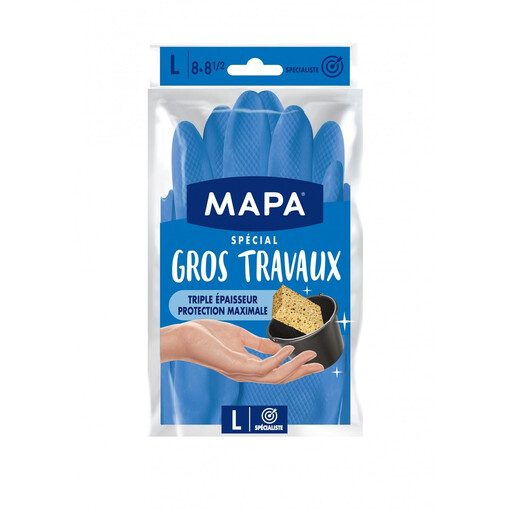
Why this choice suits this profile: This pair is designed for heavy work, DIY, gardening and certain construction tasks that require a thicker shell.
The triple-thickness natural latex construction and cotton lining are clearly detailed. However, these gloves should not be used on live electrical parts or with strong acids.
Triple-thickness latex, cotton lining and a design built for demanding tasks.
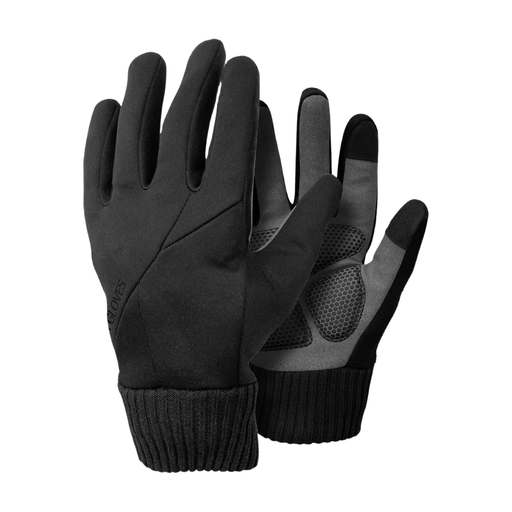
Why this choice suits this profile: This size M model is ideal for bike or scooter commutes when you need a good fit, visibility and occasional access to a screen when stopped.
The product sheet states that these gloves are not a substitute for motorcycle gear. The EVA padding, palm reinforcements and reflective strips match the intended urban use.
Nylon and PU palm, EVA padding, reflective elements and fabric stated to be wind and water resistant.
We have put together a comprehensive, real-time updated list of products that fully meet these strict selection criteria and European safety regulations.
Natural latex generally offers flexibility and precision, but it is not recommended if you have a known sensitivity. Vinyl is suitable for short, single-use tasks and is latex-free. Fabric, synthetic leather and technical materials are better suited to cycling, skiing and jobs that require a more robust hold.
Measure the circumference of your hand at its widest point, excluding the thumb, then compare the result with the size guide on the product page. Your fingers should not touch the end of the glove, and the palm should not form any uncomfortable creases. For a child, check the size regularly, especially before a new ski season.
A disposable glove should be replaced as soon as it is torn or soiled, and after the task it was used for. It should not be washed or reused. Store boxes of disposable gloves in a dry place, away from heat and direct light, and always follow the date and instructions on the packaging.