
Livraison le jour même ou le lendemain

Qualité garantie

Débloquez vos offres de bienvenue: Livraison GRATUITE | Jusqu'à -80 % | 30 jours d'essai gratuits à JoyPlus
Téléchargez l'application
DIY, sports, cleaning... In many situations, a good pair of protective gloves is simply essential. The problem? With the overwhelming number of models available, it's easy to make the wrong choice and end up with a product that's unsuitable, or even completely useless. Our mission: to help you see clearly, avoid marketing traps, and make the right choice.
Before diving into our selection, let's review the classic mistakes that will make you regret your purchase:
To avoid these unpleasant surprises, a few pre-purchase checks are all you need. These objective indicators will ensure the product is genuinely suited to your needs.
The choice of material is the starting point. It determines the type of protection, comfort, and durability of your gloves.
A glove is only effective if it fits perfectly. A proper fit allows you to maintain good dexterity while ensuring your safety. Always opt for models that offer multiple sizes (S, M, L, XL) and consult the manufacturer's guide, which is usually based on palm circumference. For men's and women's gloves, the cuts can also vary. Details like adjustable Velcro cuffs or elastic ribbing make a real difference for a secure fit.
To put theory into practice, here are a few products from our 2026 selection that perfectly illustrate these criteria, each tailored to a specific use.
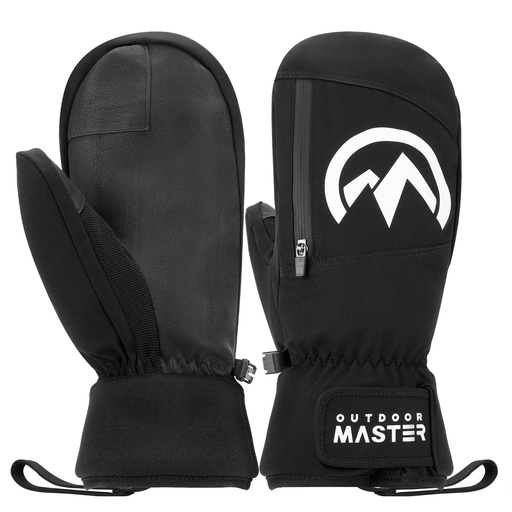
Why we chose it: Ideal for those seeking rock-solid thermal and waterproof protection for skiing or snowboarding without sacrificing comfort.
These mittens are available in multiple sizes and feature an adjustable wrist strap, avoiding the 'one-size-fits-all' pitfall. The materials are clearly detailed (waterproof TPU inserts, thick cotton lining), ensuring protection suited for cold and wet conditions.
Dual-layer waterproof and windproof protection to keep hands dry and warm, even in the harshest conditions.
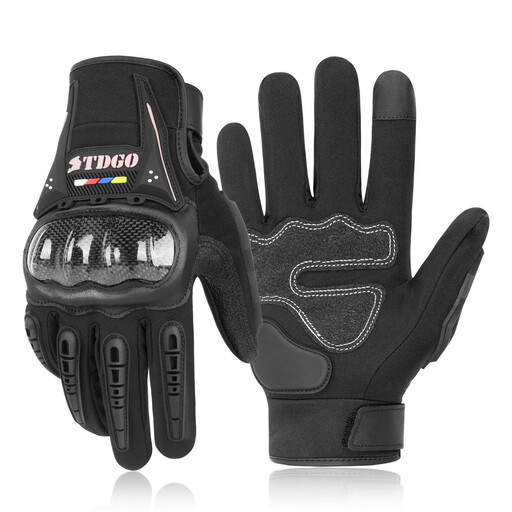
Why we chose it: For motorcyclists and scooter riders who demand certified impact protection, good ventilation, and practical features like touchscreen compatibility.
These gloves go beyond vague promises by integrating a knuckle protection shell made of carbon fibre, a technical material renowned for its effectiveness. They are designed for a specific use (motorcycle, MTB) and not as generic gloves.
Hard knuckle protection and a touchscreen-compatible index finger, combining safety with convenience.
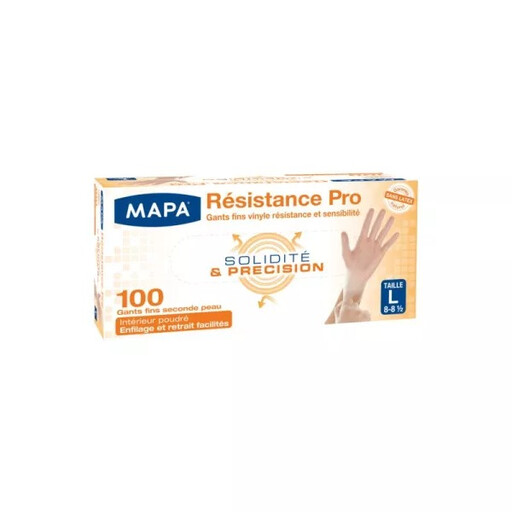
Why we chose it: Perfect for tasks that require dexterity, such as handling small parts, painting, or food preparation, while protecting sensitive hands.
The material (vinyl) is clearly presented as an alternative for those with latex allergies. The 'second skin' effect isn't an empty marketing promise but a description of its thinness, which is ideal for precision work.
Latex-free and very thin, these disposable gloves offer excellent tactile sensitivity for detailed tasks while ensuring perfect hygiene.
Our complete selection features products that meet our demanding criteria and current safety standards.
In short:
The easiest way is to consult the manufacturer's size guide, usually available on the product page. It will most often ask you to measure the circumference of your palm (without the thumb). A correctly sized glove should neither squeeze your hand nor leave empty space at the fingertips.
Yes. Since November 2016, wearing CE-certified gloves has been mandatory for both the driver and passenger of a motorised two-wheeler (motorcycle, scooter, etc.). Failure to comply is punishable by a fine and a point deduction from the driving licence. Make sure the motorcycle gloves you choose have the CE certification label.