
Livraison le jour même ou le lendemain

Qualité garantie

Débloquez vos offres de bienvenue: Livraison GRATUITE | Jusqu'à -80 % | 30 jours d'essai gratuits à JoyPlus
Téléchargez l'application
Cleaning, DIY, gardening... for many tasks, protective gloves are essential. Yet, choosing the right pair can be a real headache. Between unsuitable models, uncomfortable fits, or pairs that tear on the first use, it's easy to make the wrong choice. To help you avoid these pitfalls, let's review the classic mistakes to steer clear of.
I'm a Product Recommendation Manager at Joybuy, and my job is to find the best products for you. To help you see things more clearly, here are the three most common mistakes to avoid and the criteria that truly matter.
To make the right choice, there are three technical criteria to examine closely. They will determine if a pair of gloves is truly right for you.
The choice of material is fundamental, as it affects elasticity, resistance, and allergy risk.
Your frequency of use and the nature of your activities will determine whether you need disposable or reusable gloves.
A poorly fitting glove is a useless glove. If it's too large, it will slip and your grip will be compromised. If it's too small, it will tear and constrict your hand. Rely on the manufacturer's sizing guides (usually numbered 6 to 11 or lettered S, M, L, XL). For reusable work gloves or household gloves, an inner lining (cotton, flocking) makes all the difference for comfort and sweat absorption.
To help you see how these criteria apply in practice, here are a few options tailored to different user profiles.
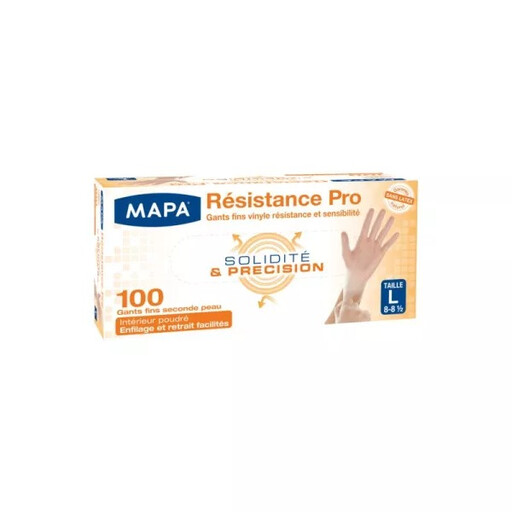
Who is it for? For those who juggle meal prep, light cleaning, and small DIY tasks. The disposable format and vinyl composition ensure perfect hygiene and complete safety for reactive skin.
It sidesteps the trap of using the wrong material. Its latex-free formula eliminates any risk of allergy, while its thinness preserves dexterity, unlike overly rigid gloves that restrict hand movement.
Exceptional thinness for maximum tactile sensitivity, without sacrificing durability for everyday tasks. Certified for food contact.
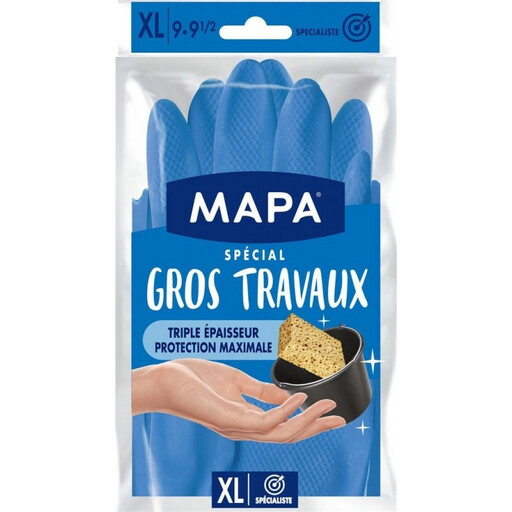
Who is it for? For weekend warriors and seasoned experts alike, gardeners, and anyone taking on a renovation project. These reusable gloves provide first-rate protection for handling tools and heavy materials.
It doesn't fall for the 'one-size-fits-all' trap. It is tailor-made for heavy-duty jobs. Its cotton lining guarantees a level of comfort that discourages you from taking them off, ensuring seamless protection.
Its triple-layer latex ensures unbeatable durability and effective protection against impacts and abrasion. Meanwhile, the inner lining manages perspiration.
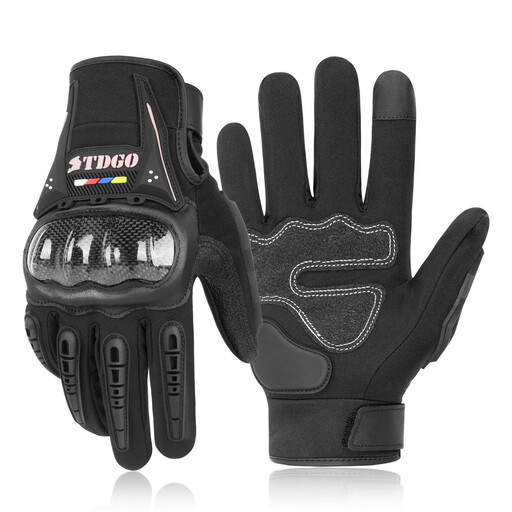
Who is it for? For motorcycle, scooter, or even bicycle riders who demand targeted protection against impacts and abrasion, without giving up the ability to use their GPS or smartphone.
This example perfectly illustrates the limits of a 'do-it-all' glove. It incorporates dedicated protection (knuckle guards) that a simple DIY glove will never offer, delivering safety designed for the road.
It combines rigid protective shells, touchscreen compatibility, and breathable fabric for optimal comfort in any season.
Explore our full selection of products that meet our demanding selection criteria and current standards.
It all depends on the frequency of use, the products handled, and how they are maintained. For heavy-duty work gloves, a simple rinse with clean water after each session and air-drying (away from a radiator!) can extend their life by several months. The essential habit: inspect them before each use to spot any cracks or punctures.
Most brands provide a sizing guide based on palm width. For example, a size M often corresponds to a palm width of 8 to 9 cm. A well-fitted glove should hug the hand without constricting it. When in doubt, especially for thick or lined gloves, go one size up: it's better to have a glove that's slightly too large than one that's too small.
Absolutely. Many vinyl gloves are certified for food contact, making them an excellent choice in the kitchen. The key is to always check for the official pictogram (a glass and fork symbol) on the packaging to be absolutely sure.