
Livraison le jour même ou le lendemain

Qualité garantie

Débloquez vos offres de bienvenue: Livraison GRATUITE | Jusqu'à -80 % | 30 jours d'essai gratuits à JoyPlus
Téléchargez l'application
Washing dishes, gardening, cooking, or light DIY projects: protective gloves are our everyday allies. However, choosing the right pair can quickly become a headache. A glove that tears on the first use, a feeling of discomfort after just a few minutes, an unexpected allergic reaction... These issues are unfortunately common. The cause? Mistakes that are simple to avoid.
Before you decide, let's review the two most common mistakes:
This guide is here to help you see things more clearly and find the ideal pair of gloves by focusing on the criteria that truly make a difference.
To make the right choice, three criteria must be considered: the material, the type of use, and the level of comfort.
The choice of material is crucial. Each one has properties that make it suitable for a specific purpose.
The choice between disposable gloves and reusable gloves depends on the frequency and nature of your activities.
For tasks that take a while, comfort is paramount. Several elements can make all the difference:
To help you see how these criteria apply in practice, here are a few options tailored to specific user profiles.
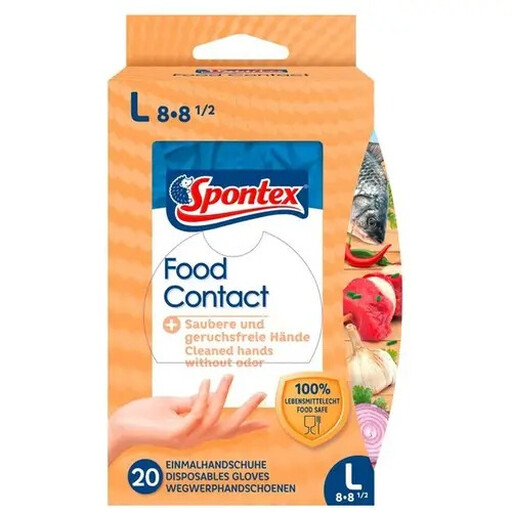
Why this choice? These gloves are specially designed for the kitchen. Nitrile is a safe material for handling all types of food, including greasy ones, while protecting your hands from strong odours (garlic, onion, fish).
It avoids the common mistake of using a material not certified for food contact. Its latex-free composition eliminates any risk of allergies, both for you and your guests.
Certified for contact with all food types by an independent laboratory, they guarantee impeccable hygiene.
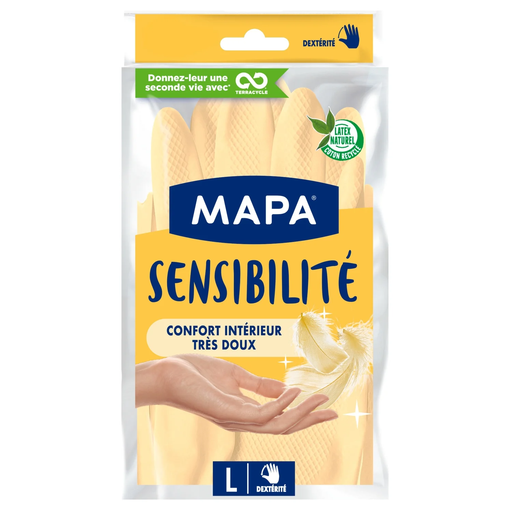
Why this choice? For long dishwashing or cleaning sessions, comfort is non-negotiable. The cotton and silk lining offers unparalleled softness, while the "Drip-Cuff" system is the ideal solution to prevent water from running down your arms.
It directly tackles the problem of discomfort during prolonged use. No more sweaty, irritated hands after a long cleaning session!
A unique inner lining that combines cotton and silk for absolute comfort, complemented by a drip-cuff.
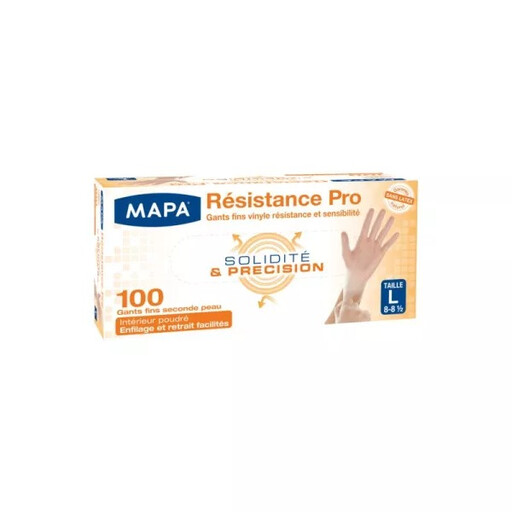
Why this choice? For small DIY jobs, touch-up painting, or any other task requiring dexterity, thin gloves are essential. These vinyl gloves offer targeted protection while preserving tactile sensitivity thanks to their "second skin" effect.
It solves the problem of gloves that are too thick and cause a loss of precision. Its latex-free vinyl composition is also the perfect solution for sensitive or allergic skin.
Thin yet durable for a stunning second-skin effect, ideal for the most delicate tasks.
We have put together a complete selection of products for you that meet our criteria and current standards.
Most manufacturers indicate sizes as S, M, L, or with a number (e.g., 7-7.5). To find yours, it's simple: measure the circumference of your palm (without the thumb) with a tape measure.
Yes. While latex allergy is the most well-known, some people can also react to "vulcanisation accelerators," chemical agents used in the manufacturing of rubber gloves (both latex and nitrile). Vinyl gloves are generally the safest option, as they contain neither latex proteins nor these accelerators.
Absolutely. Some reusable models, especially those with a textile lining, are designed to be machine washed at a low temperature. For example, Mapa's FSC latex cleaning gloves can withstand up to 15 washes. This is an excellent way to keep them clean and extend their lifespan. However, always remember to check the manufacturer's instructions on the packaging. In any case, a simple rinse with clean water and air drying (away from a heat source) are recommended after each use.