
Livraison le jour même ou le lendemain

Qualité garantie

Débloquez vos offres de bienvenue: Livraison GRATUITE | Jusqu'à -80 % | 30 jours d'essai gratuits à JoyPlus
Téléchargez l'application
Whether you're tackling mountain trails on the weekend or navigating the urban jungle by bike every day, the right protective gear is essential. However, in a market flooded with marketing claims, it's easy to make the wrong choice. As a product expert at Joybuy, my mission is to help you decode the labels and identify the features that truly matter. Let's review the common pitfalls and the essential criteria for a smart purchase.
Marketing is often a game of promises. To avoid making a costly mistake, here are three classic errors to watch out for.
To avoid these disappointments, rely on objective data. Here are the two fundamental indicators to check before you buy.
A piece of technical mountain apparel or a good waterproof hardshell jacket is judged by two key metrics:
Urban mobility protection is non-negotiable. For a bike or scooter helmet, you must verify:
To put theory into practice, here are a few products that meet these requirements for different user profiles.
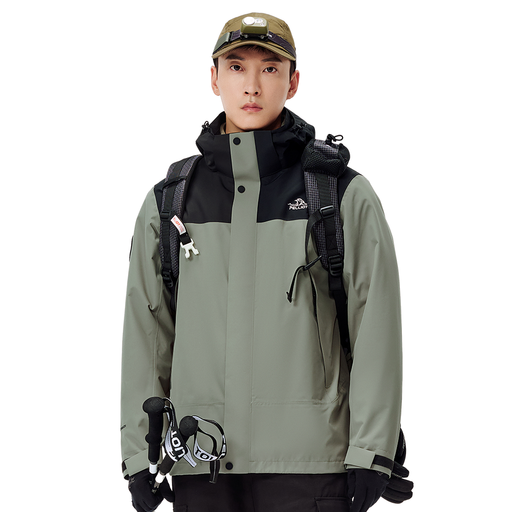
Why we chose it: Ideal for those who switch from weekend forest hikes to weekday bike commutes. Its modular design offers true versatility without compromising on performance.
This isn't one "do-it-all" jacket, but three jackets in one. The outer layer alone is a hardshell for rain, the liner alone is a fleece for dry cold, and the two combined offer complete winter protection.
STORMS BREATH technology with a microporous membrane and sealed seams. Thermal liner with an anti-static treatment for added comfort.
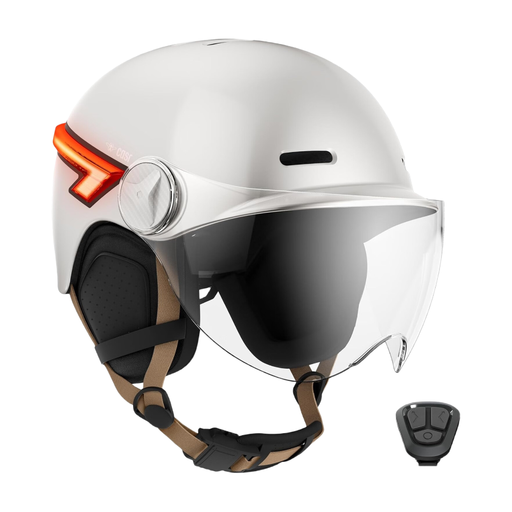
Why we chose it: Designed for the cyclist or scooter rider who prioritises visibility and active safety for their daily commutes, day or night.
This helmet doesn't sacrifice safety for style. It is PPE certified (EN 1078) and integrates a 360° active lighting system, making it a true piece of protective equipment and not just a fashion accessory.
Integrated LED lighting system for maximum visibility. Removable visor and a water-resistant design for all-weather use.
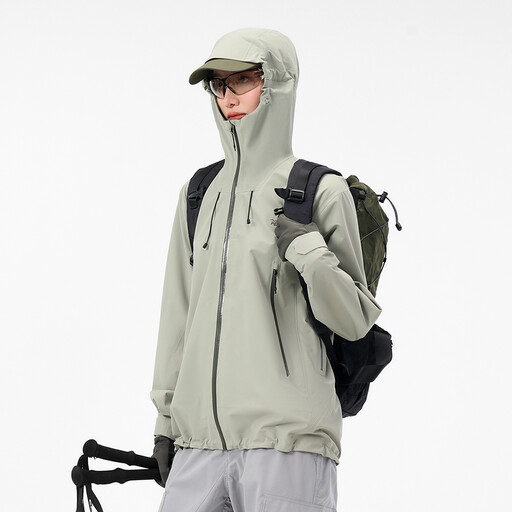
Why we chose it: For hiking and trekking enthusiasts seeking technical, lightweight, and durable gear capable of handling changing weather conditions in the mountains.
This jacket isn't just waterproof. It offers advanced breathability and thermal regulation with long underarm vents, preventing the "plastic bag" effect during intense exertion.
Includes a RECCO avalanche rescue reflector, a crucial safety feature for high-mountain exploration. Lighter, stretchier, and more abrasion-resistant fabric.
We have selected other products that meet our strict selection criteria and current safety standards.
How do I care for a waterproof hardshell jacket to make it last? Wash it sparingly in a machine on a cold, delicate cycle with all zippers closed. Use a special detergent for technical apparel and avoid fabric softeners, which can clog the membrane's pores. To reactivate the water-repellent treatment, you can tumble dry on low heat (if the label allows) or use a re-waterproofing spray after washing.
Should a bike helmet be replaced after a crash, even with no visible damage? Yes, absolutely. The internal EPS (expanded polystyrene) foam liner is designed to compress and absorb the energy of a single impact. Even if the outer shell looks intact, the foam can be compromised and will no longer offer effective protection in a future impact.
What's the difference between a 3-in-1 jacket and a standard hardshell jacket? A hardshell jacket is a single, waterproof, and windproof outer layer designed to be worn over other layers (like a fleece or a thin down jacket). A 3-in-1 jacket combines this outer shell with a removable insulating liner (often a fleece or a light down jacket) that can be worn separately. It offers more built-in versatility, whereas a standard hardshell allows you to fine-tune your layering system more precisely.