
Livraison le jour même ou le lendemain

Qualité garantie

Débloquez vos offres de bienvenue: Livraison GRATUITE | Jusqu'à -80 % | 30 jours d'essai gratuits à JoyPlus
Téléchargez l'application
For a tradesperson, technician, or expert DIYer, a tool bag is far more than a simple accessory. It's an essential partner that protects a costly investment and ensures maximum efficiency on the job. Yet, the market is saturated with models that promise the world but fail in practice. Before you make a decision, it's crucial to understand the common pitfalls to avoid buyer's remorse.
Here are the three mistakes to avoid, often linked to design flaws hidden by clever marketing:
Identifying a reliable professional tool bag requires focusing on specific technical criteria, rather than the siren song of marketing.
To make an informed choice, analyse a few non-negotiable features. These are the details that make all the difference between a bag that will last for years and one that's ready for the trash in a few months.
The durability of a job site bag depends primarily on its fabric. A key quality indicator to look for is the textile density, expressed in denier (D). A fabric made of 600D polyester or higher is a recognised standard for its high resistance to abrasion and tears. Special attention must also be paid to the stitching. Double or reinforced seams at stress points (handles, shoulder strap) are a guarantee of longevity. A sturdy tool bag is an investment that protects your equipment for the long term.
This is arguably the most critical point. A tool bag with a rigid, waterproof base is indispensable for any professional working outdoors or on construction sites. This base, usually made of moulded plastic, provides dual protection:
A good portable tool storage solution should match your work habits. Size is the first criterion: a 40?cm tool bag offers an excellent balance between capacity and portability for most trades. However, raw capacity isn't everything. The internal layout is just as crucial. Opt for models with a combination of different-sized internal and external pockets to organise pliers, wrenches, and accessories. A wide mouth opening, often held open by a metal frame, radically simplifies access to your tools without having to empty everything out.
Every professional has specific needs. Here is a selection of storage solutions tailored to different uses, keeping our criteria of durability and practicality in mind.
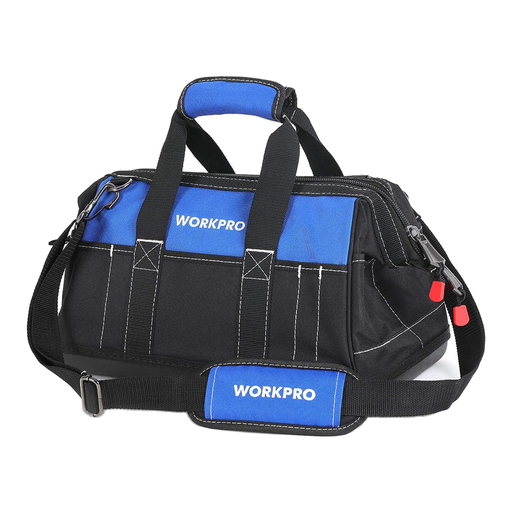
Why we chose it: Perfect for construction pros who carry heavy tools and need a true job site bag capable of withstanding the toughest conditions. Its capacity and organisation are built for heavy-duty use.
This model checks all the right boxes: it features a moulded rigid, waterproof base and is made from 600D polyester fabric, which eliminates the risks of rust and tearing.
Its wide, metal-framed opening and 21 pockets (internal and external) ensure immediate access and optimal tool organisation.
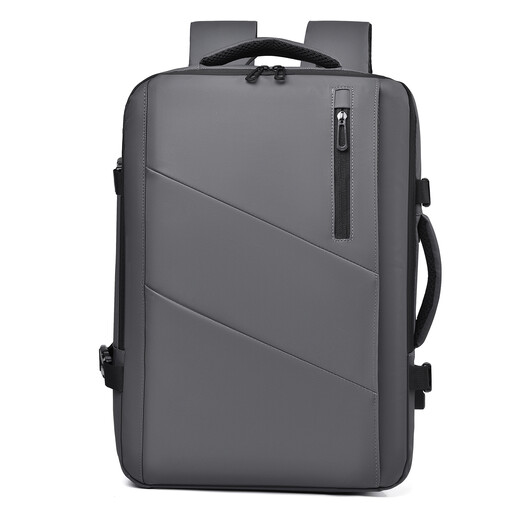
Why we chose it: Ideal for maintenance technicians or diagnosticians who juggle a laptop, measuring devices, and a selection of tools. The backpack format frees up your hands and makes travel easier.
It avoids the "catch-all bag" syndrome thanks to its multiple dedicated compartments, including a laptop section and pockets to organise small accessories, for perfectly structured portable tool storage.
Its expandable capacity (from 25L to 35L) and waterproof fabric offer impressive versatility, adapting to the day's mission while protecting electronic equipment.
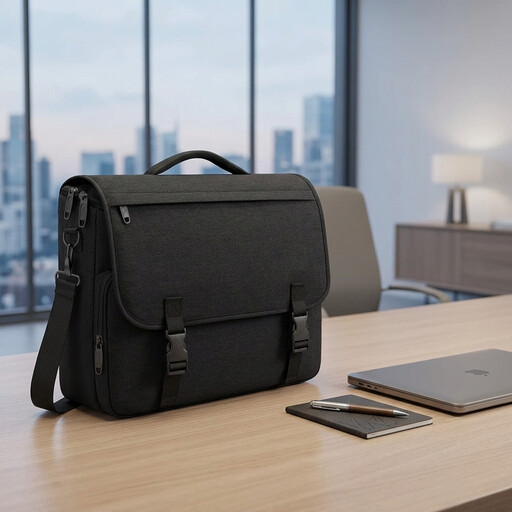
Why we chose it: A modern alternative to the classic electrician's pouch. It's perfect for targeted jobs that require a limited number of hand tools, a multimeter, and a tablet for viewing schematics.
Its multi-compartment structure, with an organiser section, prevents chaos. The water-repellent nylon fabric provides an initial barrier against the elements, far superior to a simple canvas pouch.
Its professional and discreet look is a real bonus when working on-site at a client's location. The secure back pocket is very practical for keeping documents or valuables safe.
We have selected a full range of products for you that meet our demanding selection criteria and current safety standards.
The longevity of a tool bag depends on its construction and the intensity of its use. An entry-level model can show signs of weakness in less than a year. In contrast, a professional tool bag made of 600D polyester or higher, with reinforced stitching and a rigid, waterproof base, will easily last more than 5 years, even with intensive daily use. Regular maintenance (cleaning, drying) also helps to extend its lifespan.
Good organisation is a huge time-saver. Start by grouping tools by function: pliers and cutting tools in one section, screwdrivers in another, and wrenches in a third. Use the external pockets for your most frequently used tools. The internal compartments are perfect for fragile measuring instruments or consumables (screws, wall plugs). Empty and clean your bag regularly to prevent debris buildup and to ensure every tool returns to its proper place.
For some trades, absolutely. A maintenance technician, a network specialist, or a professional who travels a lot (on foot, by public transport) will appreciate the comfort and convenience of a backpack. It keeps your hands free and distributes weight more evenly. However, for a carpenter, plumber, or mason who carries heavy, bulky, and dirty tools, the traditional job site bag with its rigid base and wide opening remains the most suitable and robust solution. It all depends on your tools and your work environment.