
Livraison le jour même ou le lendemain

Qualité garantie

Débloquez vos offres de bienvenue: Livraison GRATUITE | Jusqu'à -80 % | 30 jours d'essai gratuits à JoyPlus
Téléchargez l'application
The promise is alluring: achieving that fresh-from-the-salon radiance and vitality at home. Yet, with shelves overflowing with products, making the right choice can be a daunting task. Between the marketing jargon and endless ingredient lists, it's easy to feel overwhelmed... and walk away with a product that isn't right for you.
As the Head of Product Recommendations at Joybuy, I'm here to separate fact from fiction. Let's break down the pitfalls to avoid and the criteria that truly matter in finding THE perfect treatment for your hair.
Haircare marketing is a well-oiled machine, but its siren calls can be misleading. Here are two persistent myths that often lead to disappointment.
1. The Myth of "Silicone-Free" as the Ultimate Mark of Quality
The "silicone-free shampoo" label is everywhere. While it's true that some silicones (the heavier ones) can weigh down fine hair or cause build-up, it's a mistake to lump them all together. On the contrary, lighter, more volatile silicones can form a highly effective protective film against heat and humidity. The result: easier styling and enhanced shine, especially on very damaged or frizzy hair. A "silicone-free" product isn't automatically better; it can even leave some hair types feeling coarse and impossible to detangle. The key isn't to follow a trend blindly, but to choose a formula that matches YOUR hair type.
2. The Illusion of the Universal "Professional" Formula
The "professional" label doesn't signify a one-size-fits-all magic potion, but rather a category of treatments that are more concentrated in active ingredients, formulated for very specific needs. Using a repairing shampoo for damaged hair on fine, low-porosity hair is the quickest way to weigh it down and make it greasy in record time. Conversely, a volumising shampoo on dry, thick hair will be completely insufficient to provide the moisture it needs. The key to success isn't the word "pro" on the bottle, but the perfect match between the formula and your needs.
To make the right choice every time, forget the slogans and focus on these two pillars.
The real added value of a pro shampoo lies in its active ingredients. Learn to decipher labels to find the formula that's right for you:
Shampoo is just the first step. For salon-worthy results, it's often designed to work in synergy with other products in the same range. Conditioner seals in moisture and makes detangling easier, while a weekly mask acts as a deep treatment. On a daily basis, a leave-in hair treatment can make all the difference by providing thermal protection, hydration, and frizz control.
To put theory into practice, here is our selection of products that meet specific needs, based on the criteria we've just discussed.
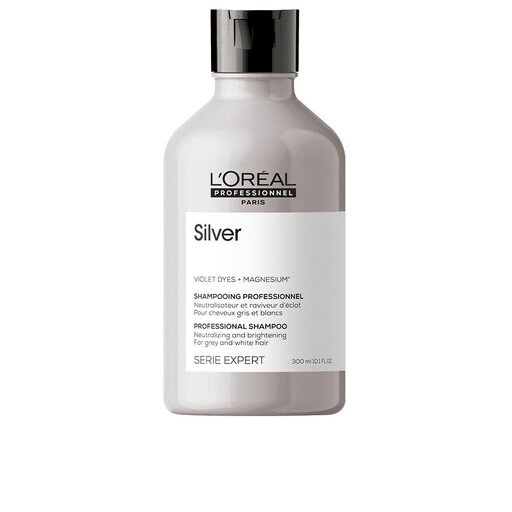
Why we chose it: The gold standard for maintaining a cool polar blonde, pure white, or silver-grey hair. It neutralises the yellow tones that can dull your colour over time due to environmental aggressors.
This isn't a catch-all "pro" shampoo. Its mission is highly specific: to use violet pigments (CI 60730) for surgical-precision colour correction, a need that classic shampoos overlook.
It neutralises yellow and brassy tones without stripping the hair. Its formula, enriched with amino acids, also helps to strengthen the hair fibre.
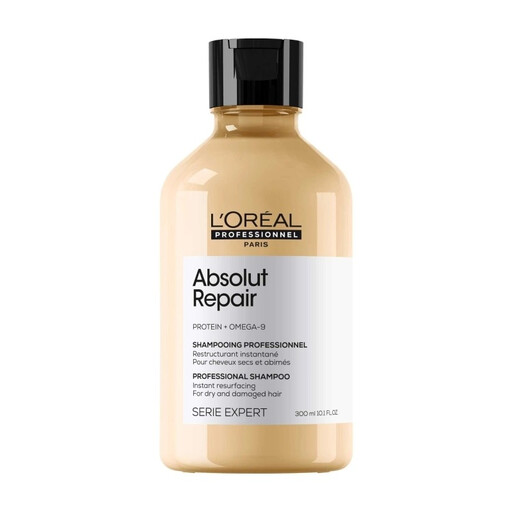
Why we chose it: The S.O.S. for hair stressed by colouring, bleaching, or the overuse of heat styling tools. Its promise: to restructure the hair fibre for a silky feel and visibly healthier hair.
No empty promises here. The formula relies on a duo of proven active ingredients: Gold Quinoa extract and Wheat Protein, which precisely target the weakened areas of the hair fibre.
It restructures the fibre without weighing it down, for instantly stronger, softer, and shinier hair. A visible difference from the very first use.
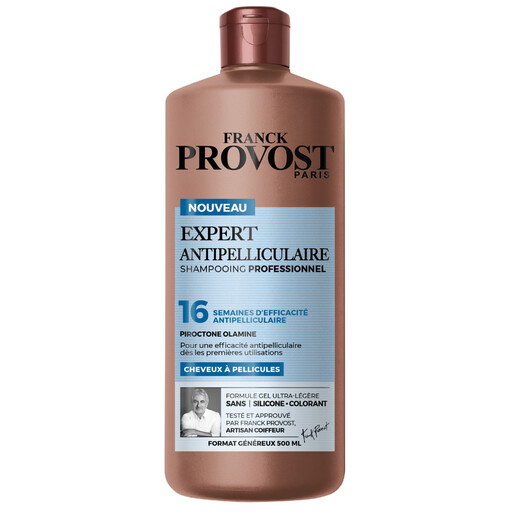
Why we chose it: An effective and accessible solution for tackling stubborn dandruff. It purifies the scalp and calms irritation from the very first applications.
It doesn't just hide behind a "pro" label. It relies on an anti-dandruff active with proven efficacy, piroctone olamine. The choice to be silicone-free is particularly relevant here, as it avoids suffocating an already compromised scalp.
It treats the cause of dandruff while respecting the lengths of the hair. The result: a purified scalp and hair that remains light and soft.
Explore our full selection of products that meet our selection criteria and European regulations.
The main difference is the concentration of active ingredients. Professional formulas are richer in treatment ingredients (proteins, oils, pigments, etc.) for more targeted action and faster results on specific issues. They also often benefit from more advanced technologies, designed to replicate the effect of a salon treatment.
Not at all—that's a common misconception! For fine hair or hair that gets greasy quickly, a silicone-free formula is often a good idea to maintain volume. However, for very dry, damaged, or unruly hair, certain silicones are true allies for coating the hair fibre, protecting it, and adding shine. It all depends on your hair type and the desired effect.
The frequency depends on your hair and its tendency to turn brassy. Generally, once a week or once every two weeks is sufficient. Be careful not to overuse it: on very light or porous hair, excessive use can leave a purple tint. The best practice is to alternate it with your regular shampoo, such as a treatment for coloured hair.