
Livraison le jour même ou le lendemain

Qualité garantie

Débloquez vos offres de bienvenue: Livraison GRATUITE | Jusqu'à -80 % | 30 jours d'essai gratuits à JoyPlus
Téléchargez l'application
Dry hair, weakened strands, fading colour or an uncomfortable scalp: choosing a professional shampoo for your hair is not simply a matter of opting for the most prestigious brand. An expensive formula may not suit your hair type, while a high-street product could meet your needs perfectly.
Before placing your order, take the time to distinguish marketing claims from information that can actually be verified on the label.
A shampoo for damaged hair can improve softness, feel and manageability. However, split ends cannot biologically regenerate. Claims such as ‘reduces breakage’ or ‘repairs’ therefore refer to cosmetic benefits promoted by the brand, often as part of a complete routine.
To build a consistent routine, check whether the shampoo should be used with a conditioner, hair mask or leave-in treatment.
A sulphate-free shampoo may suit you if you are looking for a different cleansing base or find classic formulas too harsh. However, ‘sulphate-free’ does not automatically mean ‘gentler’. Also look at the other surfactants, fragrance and any potential allergens.
A silicone-free shampoo, on the other hand, may leave a lighter feel, but it will not necessarily suit every hair type. Very dry or porous hair may instead benefit from conditioning agents, oils or butters that make detangling easier.
A 500 ml professional shampoo or a 1,000 ml bottle may seem more economical, but it can be cumbersome in a small bathroom and may deteriorate after a long period of use. Compare the price per volume, washing frequency and amount required for each application. A concentrated product used sparingly may work out cheaper than a large bottle that is emptied quickly.
Start by identifying one main concern:
The INCI list presents ingredients in descending order of concentration, subject to certain regulatory exceptions. In particular, look for:
A short formula is not necessarily better than a longer one. Your choice should mainly depend on your scalp’s tolerance and how your hair responds to the product.
A 250 to 300 ml shampoo is suitable for trying a product or for occasional use. Sizes from 400 to 550 ml are practical for a family or long hair. A 1,000 ml bottle may be worthwhile for intensive use, provided it is stored away from heat and light.
Always follow the manufacturer’s recommendations: apply to wet hair, rinse thoroughly and stop using the product if irritation occurs.
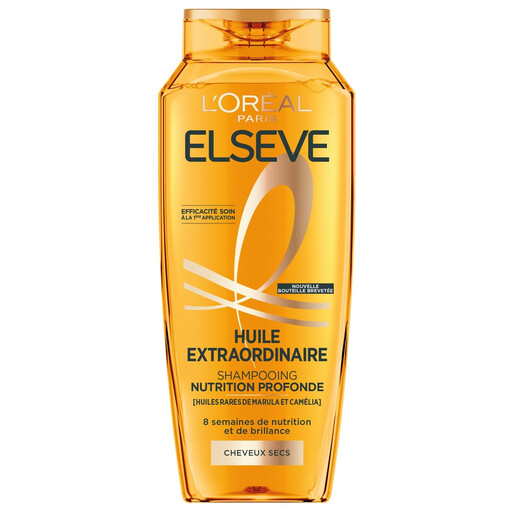
Why this choice suits this profile : The 250 ml size lets you try a nourishing routine for dry hair without investing in a large bottle. The formula lists marula and camellia oils.
The presence of oils is clearly shown in the ingredients: you can check the formula instead of relying solely on the word ‘nourishing’.
Accessible size, made in France and includes coconut oil, marula oil and camellia oil in the listed ingredients.
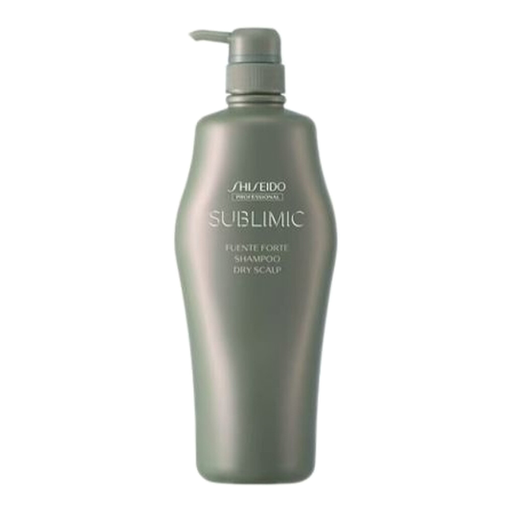
Why this choice suits this profile : This large size is aimed at people looking for a routine focused on a dry scalp and who want to avoid having to buy shampoo too often.
The product information specifies the issues it targets: dryness, discomfort, excess sebum or odour. This makes it easier to match the product to a specific need.
1,000 ml capacity, with glycerine and arginine in the formula, plus directions to massage the scalp during use.
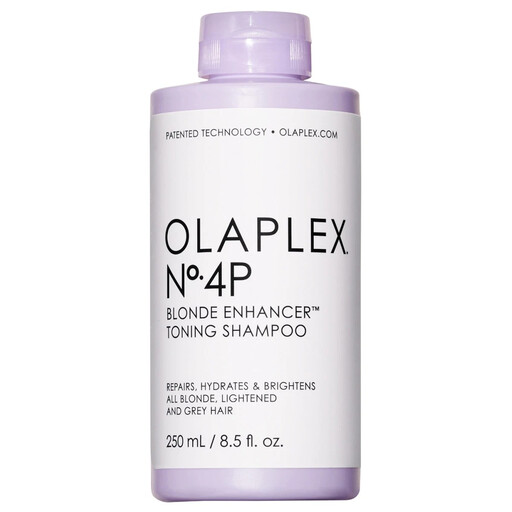
Why this choice suits this profile : This formula is designed for blonde or grey hair that needs occasional neutralisation of yellow tones, rather than a classic wash every time you shower.
The recommended processing time is 1 to 3 minutes, with the option to leave it on for up to 5 minutes depending on the desired effect, so you can adjust the intensity gradually.
Purple pigment CI 60730 listed, a sulphate-free formula and a 250 ml size suited to targeted use.
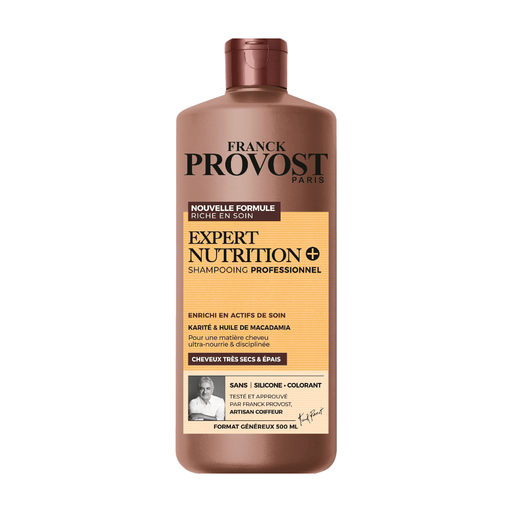
Why this choice suits this profile : Its family-sized bottle is suitable for regular washing, while the formula is designed for very dry, thick or sensitised hair.
The nourishing claim is supported by two identifiable ingredients in the list: macadamia oil and shea butter.
500 ml capacity, glycerine, macadamia oil and shea butter, with simple application and quick rinsing.
We have put together a complete, real-time updated list of products that meet these strict selection criteria and European safety regulations.
A small amount is often enough for one wash, especially if the product is concentrated. Apply it to the scalp first, add a little water, then let the lather run through the lengths. Two washes may be needed after a significant build-up of styling products.
Check the open-jar symbol on the packaging: it indicates the recommended period of use after opening. Close the bottle carefully and store it away from heat and light. If the smell, texture or colour changes, it is best to stop using it.
An anti-hair-loss shampoo works mainly during washing and cannot, on its own, address every cause of hair loss. Strengthening formulas can form part of a cosmetic routine, but sudden, persistent or significant hair loss requires medical advice.