
Livraison le jour même ou le lendemain

Qualité garantie

Débloquez vos offres de bienvenue: Livraison GRATUITE | Jusqu'à -80 % | 30 jours d'essai gratuits à JoyPlus
Téléchargez l'application
Whether you're a restaurateur, hotelier, or a home user looking for dinnerware that lasts, choosing the right plates and dishes is a critical decision. Professional porcelain dinnerware isn't just for presentation; it's an investment. The problem? The market is saturated with promises that chip away at the first sign of daily use. This guide is here to help you navigate the pitfalls and identify the criteria that truly matter.
Before we get to the products, let's review the classic mistakes that can cost you dearly in the long run.
To avoid these pitfalls, focus on the technical specifications that are foolproof indicators of quality.
The secret to durability is vitrification. Porcelain is fired at temperatures exceeding 1,200°C (2,200°F), which makes it non-porous, even without a glaze. In practical terms, it doesn't absorb water, grease, or odours. This is an essential mark of hygiene in the HORECA (Hotel/Restaurant/Café) industry and a major benefit for dishwasher-safe dinnerware at home. True HORECA-grade white porcelain will maintain its brilliant white finish without ever staining.
A durable restaurant plate is engineered to handle the rigours of service. Look for terms like "reinforced rims" or check for sufficient thickness, especially on high-contact items like dinner plates and bowls. The weight of a piece can also be an indicator: an overly light plate is often more fragile. This robustness is fundamental for hotel tableware, where equipment replacement is a significant budget item.
Your dinnerware should make your life easier. Always check its compatibility with your equipment:
Let's get practical with a few products that tick all the boxes for durability and functionality.
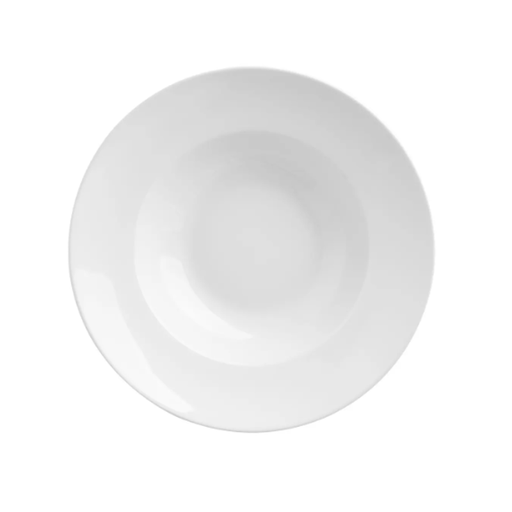
Why we recommend it: Engineered for heavy-duty service, this plate combines an understated design with unwavering durability, built for professional kitchens. Its 780g weight and fine porcelain construction make it a reliable choice for demanding service.
It goes beyond the "restaurant-grade" label: its design is specifically engineered for the demands of public-facing establishments and relentless washing cycles.
Its versatility: perfect for pasta, salads, or even as a charger plate, it allows you to streamline inventory without sacrificing elegance.
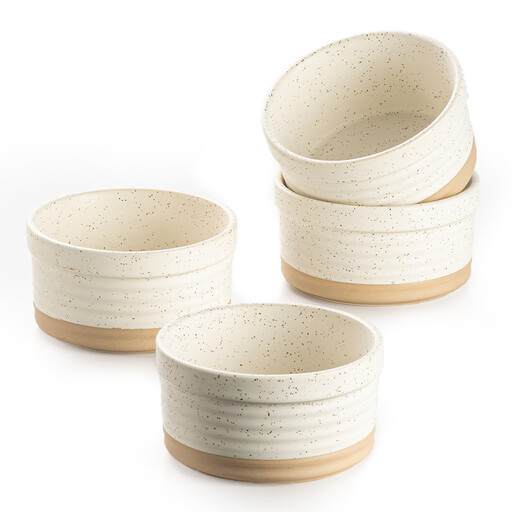
Why we recommend them: Made from high-quality, non-toxic, and lead-free porcelain, these ramekins are perfect for individual portions, from crème br?lée to mini gratins.
It's not just about looks. Its oven, dishwasher, and freezer compatibility makes it a true kitchen workhorse, avoiding the trap of flashy but impractical design.
Its extreme versatility: this oven-safe porcelain ramekin goes from oven to table to serve sauces, appetisers, or desserts. A must-have in any kitchen.
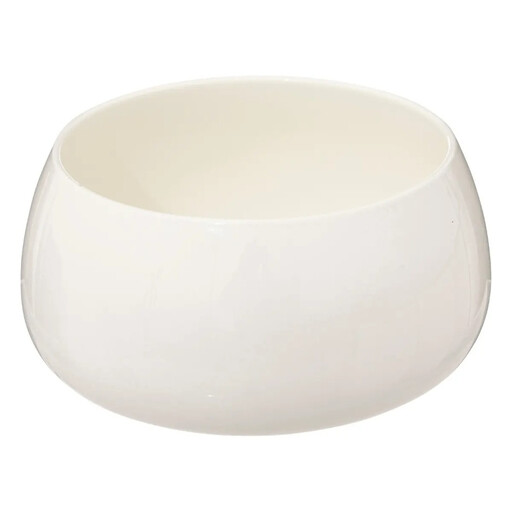
Why we recommend it: This professional salad bowl made from high-end porcelain combines an elegant presentation with a generous capacity. Its 1.2 kg weight ensures excellent stability and a premium feel, ideal for the most sophisticated table settings.
It successfully balances elegance with uncompromising robustness. Its design is intended for intensive use, ensuring that style never comes at the expense of durability.
Its timeless design and large capacity make it a centrepiece for serving salads, pasta, or side dishes. It integrates seamlessly with all styles of hotel tableware.
Explore our complete, up-to-date selection of products that meet our strict selection criteria and current safety standards.
It all comes down to composition and firing temperature. Porcelain is made from kaolin clay and fired at over 1,200°C (2,200°F), which vitrifies it, making it non-porous, harder, and more translucent. In contrast, other ceramics like earthenware are fired at lower temperatures. Without a glaze, they remain porous, making them less hygienic and more fragile.
No, the term "unbreakable" is a misnomer. However, professional-grade porcelain is significantly more resistant to thermal and mechanical shocks (especially chipping) than consumer-grade dinnerware. It will handle the rigours of intense service much better, but a hard drop will still be fatal.
Most HORECA-grade white porcelain items are designed for the dishwasher. To prevent scratches, avoid overloading the racks and ensure pieces don't knock against each other. If washing by hand, use a non-abrasive sponge. For stubborn stains (from tea or coffee), a little baking soda on a damp sponge works wonders. Store plates by stacking them carefully, perhaps using felt dividers for the most delicate pieces.