
Same-day & Next-day Delivery

Quality Guaranteed

Unlock Your Welcome Offers: FREE Delivery | Up to 80% OFF | Free 30-day JoyPlus trial
Download the APP
Repainting a room, repairing a wall or achieving neat edges involves more than simply opening a tin of paint. Choosing the right professional painting tools has a direct impact on the evenness of the finish, the amount of product used and the time spent cleaning up.
When buying a painting kit, brush or roller, certain mistakes are nevertheless made time and again. Here are the criteria to check before filling your basket, whether you are a tradesperson, decorator, homeowner or DIY enthusiast.
The words ‘all paints’ do not mean that a tool will be suitable for every surface. A 12 mm pile roller, for example, is generally best suited to semi-smooth to semi-rough surfaces. A nylon paint pad will be more effective on a smooth surface with water-based paint.
Before placing your order, always check:
A brush that is too wide makes cutting in more difficult and lacks precision. Conversely, a tool that is too narrow will force you to make multiple passes over a large area. The width should therefore be chosen according to the task:
A poorly cleaned tool may harden, shed fibres or leave marks on your next project. Rinse it immediately with water or the solvent recommended by the paint manufacturer. Dry each component thoroughly before storing it, and avoid placing a brush on its bristles.
Hollow synthetic fibres can hold paint and release it evenly. They are suitable for many edging and finishing jobs, provided you follow the recommendations on the tin.
For smooth surfaces, a paint pad or nylon paint pad can also provide good precision and useful manoeuvrability.
For walls, check both the roller frame diameter and the sleeve thickness. A 100 mm roller refill fitted with a 12 mm sleeve and a frame with a diameter of 6 mm is intended for semi-smooth to semi-rough surfaces. Check the mechanical compatibility before fitting it.
A plastering knife or joint knife should be flexible enough to spread filler while remaining easy to control. Some models feature a 420 stainless steel blade and a protective coating. However, these features do not remove the need to inspect the blade when it arrives.
The handle also deserves your attention. A laser-engraved beechwood handle can provide a stable, comfortable grip. Before first use, make sure there is no warping, looseness or damaged edge.
On a job that runs on, prioritise a comfortable handle, a well-balanced tool and consumables that are easy to replace. An airtight sleeve container can also prevent the sleeve from drying out between coats, particularly when work is spread over several days.
Wear suitable gloves and safety goggles. When sanding or using products that may generate dust or fumes, use appropriate respiratory protection and ventilate the room sufficiently.
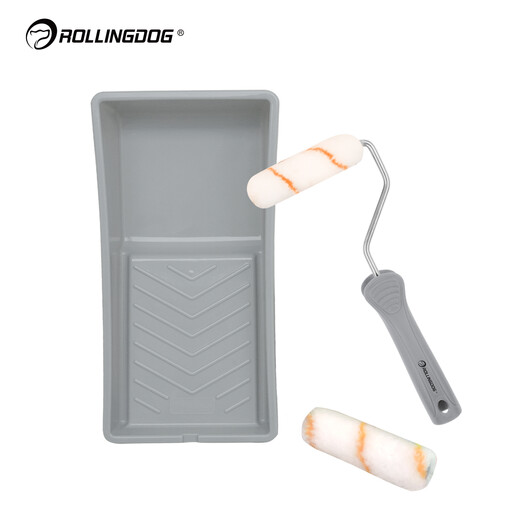
Why this choice suits this profile : This kit includes a tray, a 10.16 cm frame and two polyester sleeves for small jobs, touch-ups and painting furniture.
The dimensions are clearly stated, helping to prevent compatibility mistakes and avoiding the need to buy essential components separately.
A four-piece kit, 12 mm polyester sleeves and compatibility with a tapered extension pole.
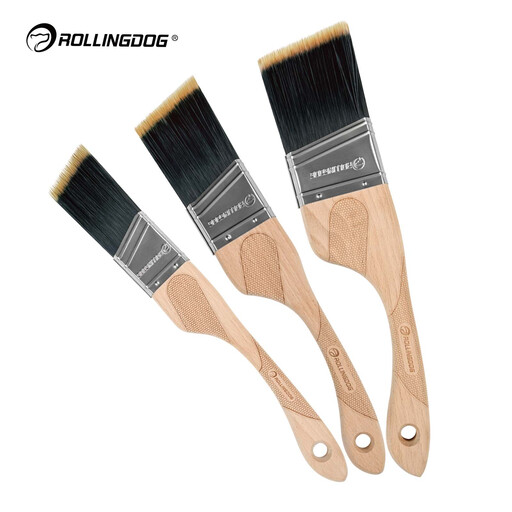
Why this choice suits this profile : The different widths let you move from narrow surfaces to cutting in and touch-ups without needing to buy multiple sets.
The 3.8, 5.1 and 6.4 cm sizes are clearly stated, making it easier to choose the right brush for the area to be painted.
Synthetic filaments, ergonomic handles and stated compatibility with latex, oil-based and acrylic paints, as well as varnishes.
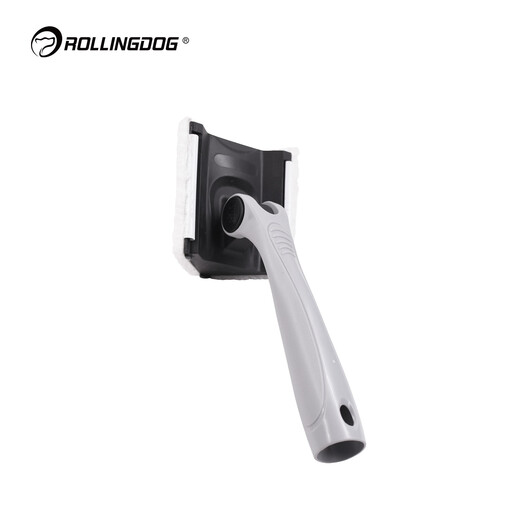
Why this choice suits this profile : Corners, joins between walls and hard-to-reach areas require a dedicated tool rather than a conventional roller.
Its double-sided design is made for corners: it does not claim to replace a roller on large surfaces.
A 9 × 6 cm double-sided microfibre surface and a handle adjustable to five positions.
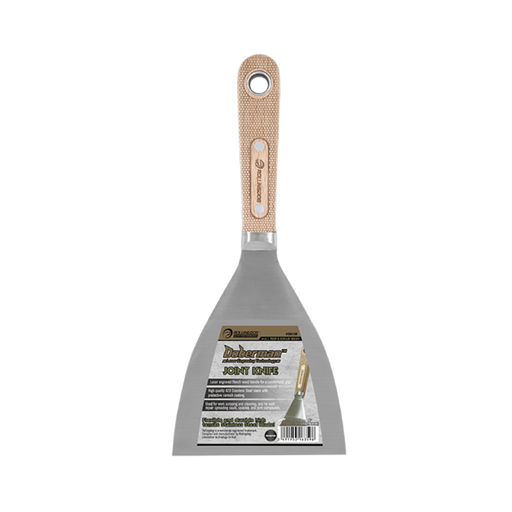
Why this choice suits this profile : Its 101.6 mm width is suitable for applying filler, treating joints and smoothing wall areas.
The product details specify the width, blade material and intended uses, reducing the risk of choosing a tool that is unsuitable for repairs.
A flexible 420 stainless steel blade, a protective coating and a beechwood handle.
We have brought together a complete, real-time updated selection of products that meet these exacting criteria, as well as European safety standards.
A basic set-up may include a tray, a frame, one or more roller refills, a brush for cutting in, masking tape and a plastering knife for minor repairs. Add an extension pole if you need to work at height, and use suitable access equipment rather than an improvised step ladder.
It all depends on the quality of cleaning, how often it is used and the type of paint applied. Replace a sleeve when its fibres become flattened or clumped together. With a brush, watch for loose fibres, loss of shape and any looseness around the handle or ferrule.
No. Some models are designed only for latex paints or water-based coatings. Check the tool’s instructions and the recommendations on the tin. Test it on an inconspicuous area before treating the entire surface, especially when using a specialist paint or painting over an existing coating.