
Livraison le jour même ou le lendemain

Qualité garantie

Débloquez vos offres de bienvenue: Livraison GRATUITE | Jusqu'à -80 % | 30 jours d'essai gratuits à JoyPlus
Téléchargez l'application
In the kitchen, a good knife isn't just a tool—it's an extension of your hand. Whether you're preparing a family meal or crafting complex dishes, the quality of your blade directly impacts precision, safety, and your overall enjoyment. Faced with a vast selection, it's tough to sort exceptional blades from mere marketing.
This guide is designed to help you navigate the options and choose the professional kitchen knife that truly meets your needs, focusing on the essentials: materials, ergonomics, and intended use.
Before jumping on a specific model, it's crucial to understand a few technical criteria. This ensures you'll make an informed choice and a lasting investment.
The blade is the heart of the knife. Its composition dictates its cutting ability, longevity, and ease of maintenance. High-carbon stainless steel is often the preferred solution in the most demanding kitchens. This alloy offers an excellent balance:
Investing in quality steel is an investment in your knife's performance and durability.
A good knife must be comfortable and safe, even after hours of prep work. An ergonomic handle is therefore a critical selection criterion. Its shape should fit the palm of your hand to reduce fatigue and ensure total control over the blade. Materials vary, from traditional wood that offers a warm grip to modern composites that provide enhanced hygiene and durability. The balance between the blade and the handle is just as fundamental for effortless and intuitive handling.
The one-size-fits-all knife doesn't exist. Each blade shape is designed for a specific purpose:
Identifying your primary uses will naturally guide you to the most relevant knife type for your cooking style.
We've selected a few models that stand out for their materials, design, and suitability for specific tasks.
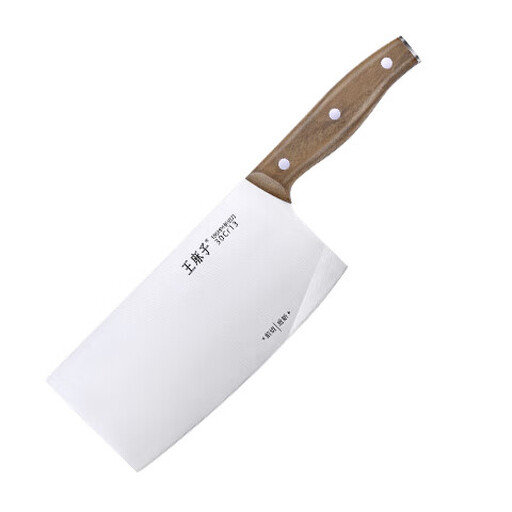
Why It Stands Out
This kitchen cleaver from the Shenmu series combines traditional design with robust materials. Its wide blade and substantial weight make it a powerhouse, built for the most demanding tasks. The walnut handle adds a touch of elegance and a natural grip.
Key Features
Best For?
For those who regularly work with large cuts of meat or need a powerful tool for heavy-duty cutting, in the truest tradition of the kitchen cleaver.
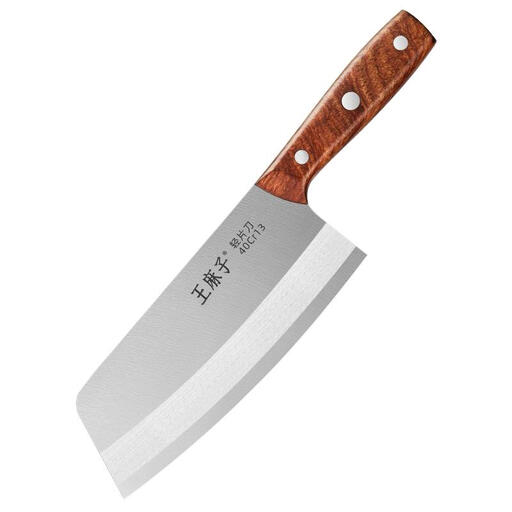
What Makes It Special
Lighter and more versatile than the previous model, this knife from the same Shenmu series is the ideal compromise between the power of a cleaver and the agility of a chef's knife. Its high-carbon steel blade is built for versatile, everyday use.
Key Features
Best For?
The ideal knife for home cooks and professionals alike who are looking for a versatile main blade that can handle most daily tasks with formidable efficiency.

The Modern Edge
This knife stands out with its thoroughly modern approach to both materials and design. Its matte black kitchen knife finish, technical coating, and high-performance steel make it as effective as it is stylish. It is available as a slicing knife or a Santoku knife.
Key Features
Best For?
For cooks who appreciate technical innovations and want minimal maintenance and a design that breaks from the traditional. An excellent option for those who refuse to compromise on performance or aesthetics.
Didn't find your ideal knife in this selection? Choosing a knife is a highly personal matter, and every cook has unique needs. For example, if you prioritize ease of maintenance and maximum moisture resistance, other models might be a better fit.
? Discover our collection of corrosion-resistant knives
To preserve your blade's edge and appearance, a few simple steps are all it takes. Wash it by hand (never in the dishwasher!) with a soft sponge and a little soapy water, ideally right after use. Dry it immediately and meticulously with a soft cloth. Finally, regular sharpening with a whetstone or honing steel is essential to maintain its edge.
The chef's knife (also known as a French or German knife) has a long, curved blade with a pointed tip. This profile is ideal for the rocking motion used for fine mincing. The Japanese-inspired Santoku knife has a shorter, wider blade and a spine that curves down to the tip. It excels at vertical cuts (slicing, dicing, mincing), and its lighter weight often makes it more nimble for many cooks.
Not necessarily. Weight is primarily a matter of function and preference. A heavy kitchen cleaver is more effective because its weight contributes to the force needed to split bones. Conversely, for precision tasks or prolonged use, a lighter, well-balanced knife will be far more comfortable and less fatiguing. True quality lies in the blade's steel, the precision of its craftsmanship, and the overall balance of the tool.
By the Joybuy Editors