
Livraison le jour même ou le lendemain

Qualité garantie

Débloquez vos offres de bienvenue: Livraison GRATUITE | Jusqu'à -80 % | 30 jours d'essai gratuits à JoyPlus
Téléchargez l'application
Inspecting a roof, a structural frame, or monitoring a high-rise construction site? These are complex, costly, and risky operations. For professionals in construction, trades, and insurance, the professional inspection drone has become an essential tool for boosting efficiency, precision, and, above all, safety.
This guide is designed to give you the keys to choosing the right tool—one that truly meets your needs in the field, cutting through the marketing jargon. We will break down the essential technical specifications before presenting our selection of the most relevant models for 2026.
Before diving into model comparisons, it's crucial to identify the criteria that will make a real difference on the job. Here are the key points to watch for to ensure you make the right choice.
For a proper visual inspection, image clarity is non-negotiable. A 4K camera drone is now the bare minimum for reliably identifying cracks, waterproofing defects, or structural anomalies. Paired with a drone with zoom, it allows you to examine the smallest details while maintaining a safe distance from obstacles. A powerful digital zoom (e.g., 50x) is a true game-changer for roof inspection or high-rise facade assessments.
Whether for drone construction site monitoring or inspecting large areas, a long-range drone is essential. Aim for a minimum of 20 to 25 minutes of flight time per battery. Also, remember to check if extra batteries are included or sold separately. The range of the remote control and video transmission is just as critical. A stable connection, often via 5G, guarantees a smooth, uninterrupted video feed, even from several hundred metres away.
In France, as in the rest of Europe, drone regulations are strict. Opting for a drone under 250?g will make your life much easier: it benefits from lighter regulations and generally does not require specific training for simple professional use. This is a decisive factor in streamlining your administrative procedures. Likewise, a drone with a screen remote makes piloting significantly easier. There's no need to connect your smartphone, which is a real convenience on a job site.
Let's get down to business. Here are three models that stand out for their performance and suitability for professional use.
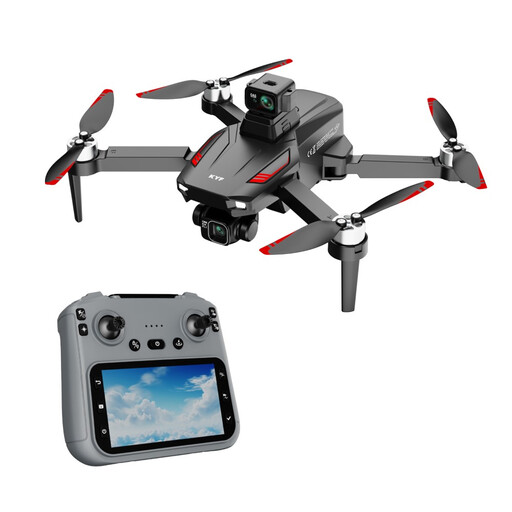
Why it stands out: This model is a complete, out-of-the-box solution. Weighing in at 249?g, it ticks the box for the simplest regulatory category. Its remote with a built-in 4.5-inch screen, two batteries, and carrying case make it a formidable package for professionals on the go.
Advantages:
Who is it for? Artisans (roofers, carpenters) and construction industry pros who want a high-performance visual inspection tool that is immediately operational and free from administrative headaches.
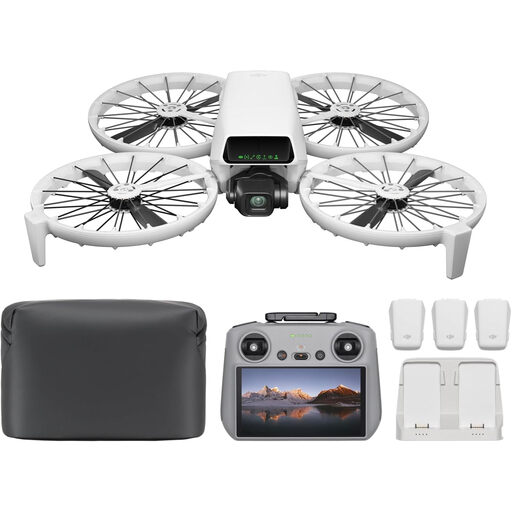
Why it stands out: DJI needs no introduction, and this model confirms its expertise. Its key strength is top-tier image quality, thanks to a large 1/1.3-inch CMOS sensor and 4K/60fps HDR video. The "Fly More Combo" pack is a real bonus, with three batteries providing a total flight time of over 90 minutes.
Advantages:
Who is it for? Demanding professionals and tech enthusiasts for whom image quality is the number one criterion, whether for photogrammetry, high-precision inspections, or video content creation.
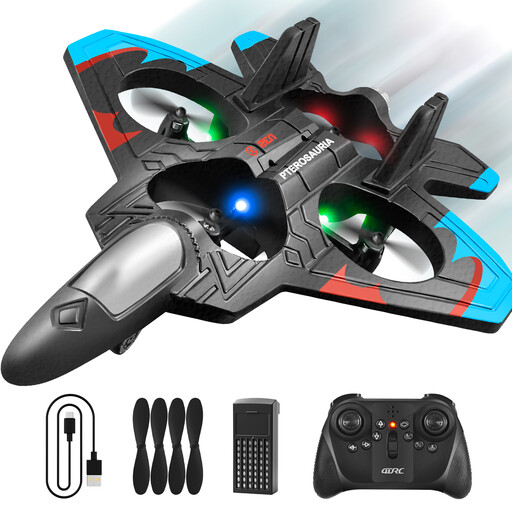
Why it stands out: An important clarification: this is not an inspection drone but a remote-controlled plane. Its main advantage is its incredible ease of use, making it an excellent tool for learning to fly without breaking the bank.
Advantages:
Who is it for? To be clear, this model is not intended for professional inspection. It is aimed at absolute beginners who want to practice piloting or at model aircraft enthusiasts looking for a simple and fun model.
Even the most powerful drone is grounded without a reliable power source. To ensure your missions are never cut short, having spare batteries is essential—both for the drone and its remote controller.
? Discover our selection of batteries and accessories for maximum flight time
Regulations primarily depend on the drone's weight and the flight scenario. For drones under 250?g, the rules are significantly relaxed: you simply need to register as an operator on the AlphaTango portal. For heavier aircraft or complex operations (flying out of sight, near people, etc.), specific training and authorisations are required. The best practice is to always consult the DGAC (French Civil Aviation Authority) website for up-to-date information.
It's not mandatory, but it is a considerable advantage. A drone with zoom allows you to inspect hard-to-reach areas (steeples, chimneys, high-voltage lines) without getting dangerously close to the structure. You improve safety while capturing highly precise details, which are essential for analysing building defects.
For effective drone construction site monitoring, aim for a minimum of 20 to 25 minutes of flight time per battery. Ideally, you should have several batteries (at least two or three) to perform consecutive flights, cover large areas, and avoid wasting time waiting for a recharge.