
Livraison le jour même ou le lendemain

Qualité garantie

Débloquez vos offres de bienvenue: Livraison GRATUITE | Jusqu'à -80 % | 30 jours d'essai gratuits à JoyPlus
Téléchargez l'application
Between tool sets promising several hundred pieces, power tools marketed as ultra-versatile and scanners packed with features, choosing professional automotive tools can quickly become a headache. An attractive price tag guarantees neither compatibility with your vehicle nor a pleasant experience over time.
Whether you're a mechanic, independent repairer, maintenance technician or simply a keen DIYer who looks after their own car, three criteria should guide your choice: robustness, compatibility with your vehicle and precision. Here are the points to check before adding to your garage tools.
A 400-piece set might seem far more appealing than a 100-piece kit. In practice, some of its contents may never get used, while certain common sizes or essential accessories could be missing. To choose a mechanics tool kit, examine the detailed contents: metric dimensions, types of bits, drive sizes, extension bars, universal joints and storage system.
In an engine bay, around a brake caliper or under a dashboard, the size of the tool often causes more trouble than the torque required. A spanner that's too thick or a handle that's too long can quickly become unusable. Mechanisms with a low ratchet angle, swivel heads and offset designs are particularly handy in tight spots.
An OBD2 diagnostic scanner doesn't necessarily offer the same functions depending on the make, model and year of the vehicle. Some only read engine fault codes, while others communicate with multiple control units. Special functions — such as service reset, throttle body adaptation or ABS bleed — can also vary considerably.
Before buying an automotive diagnostic tool, check compatibility with your vehicle, the operating system required for the app, the update policy and whether any subscriptions are needed.
For tools that take significant strain, look for a clear indication of the material used. Heat-treated chrome-vanadium steel is very common for sockets, spanners and extension bars. S2 steel bits are generally chosen for their good wear resistance.
A chrome or polished finish makes cleaning easier and helps limit oxidation, but it doesn't replace regular maintenance. After each use, wipe down tools exposed to oil, moisture or brake dust.
Metric sizes are essential on most European vehicles. For sockets, check the drive sizes — 1/4", 3/8" or 1/2" — as well as the presence of extension bars and universal joints.
For an oil filter wrench, measure the filter diameter before ordering. A range of 70 to 110 mm, for example, doesn't mean the wrench will fit all filter shapes.
With a brake pipe spanner, the open jaw must surround the nut sufficiently without too much play. A 15° offset can also make it easier to work on a hard-to-reach pipe.
A torque wrench becomes essential whenever the tightening torque must meet a manufacturer-specified value. Check its torque range, the unit used, the adjustment mechanism and the procedure for returning it to the minimum setting after use.
Impact wrenches, especially cordless models, speed up the removal of wheels and stubborn fasteners. A cordless impact wrench should not, however, replace final torque tightening. Look at the drive size, the stated torque, the battery supplied and the availability of spare parts.
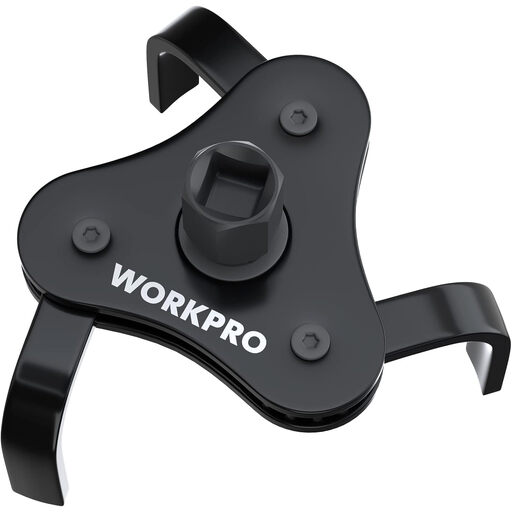
Why this choice suits this profile: Its compact design is ideal for routine home maintenance, particularly oil changes, without needing to buy a collection of specialist tools.
Its adjustment range of 70 to 110 mm reduces the risk of choosing an incompatible wrench, provided you measure the filter before buying.
Self-locking claws, compact design and heat-treated 45# carbon steel.
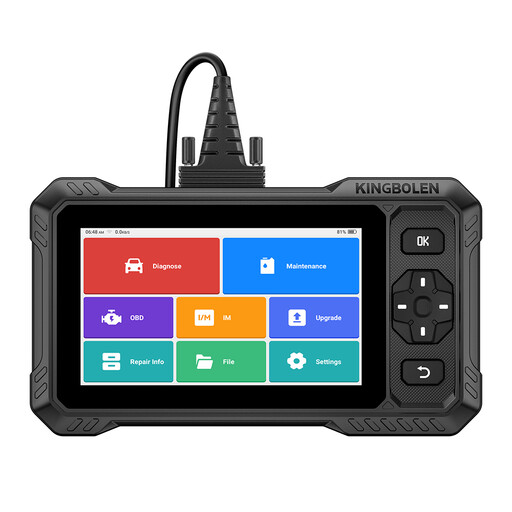
Why this choice suits this profile: Garages and advanced users working on multiple makes will benefit from a device capable of full system diagnostics and bidirectional tests.
The product page details the functions available depending on the vehicle and notes that certain permissions or features may require a separate process.
Bidirectional active tests, CAN FD compatibility and advertised maintenance functions such as oil reset or DPF regeneration.
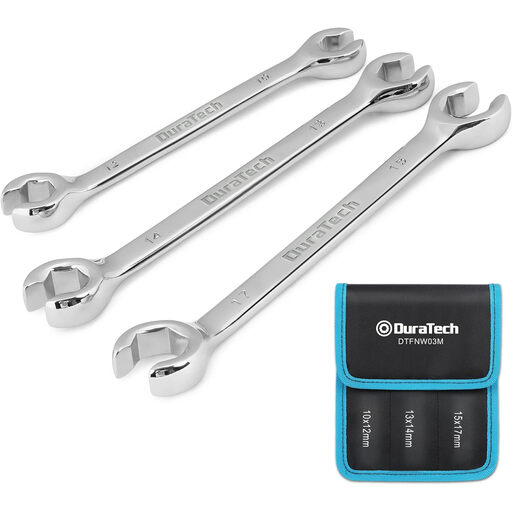
Why this choice suits this profile: Repeated work on brake systems requires the right sizes and a reliable grip on pipe nuts.
The three spanners cover sizes 10×12, 13×14 and 15×17 mm. That means no more improvised adaptations that risk damaging a nut.
Heat-treated chrome-vanadium steel, double open jaw, 15° offset and storage pouch.

Why this choice suits this profile: This set is aimed at those who want to cover everyday jobs on their car, motorbike and garage equipment with a single kit.
The detailed contents list lets you check the right accessories are included before buying, rather than relying on the piece count alone.
Chrome-vanadium sockets, S2 bits, 72-tooth ratchets and a moulded case with dedicated slots.
For more comprehensive maintenance, you might also compare a cordless impact wrench, a 60 cm breaker bar or a torque wrench covering the torque you need. If you're working on the immobiliser, check the permissions, compatibility and current legislation before any car key programming.
Thanks to its Bluetooth connection and dedicated app, a device like the KINGBOLEN Ediag Elite can be handy for mobile work. Its compatibility does depend on the vehicle though: always check the make, model and engine type before ordering.
We've put together a comprehensive, real-time updated list of products that fully meet these strict selection criteria and European safety regulations.
Start with a socket and ratchet set, a set of combination spanners, screwdrivers, extension bars, a breaker bar and a torque wrench. You can then add tools for your most frequent jobs: an oil filter wrench, brake pipe spanner or OBD2 diagnostic scanner.
Note the make, model, engine type and year of the vehicle, then compare this information with the coverage list published by the manufacturer. To access certain special functions or control units, a separate permission or subscription may be required.
Clean your tools after each job, dry them before storing and don't exceed their intended capacity. Return sockets to their case, release the torque wrench after use and charge batteries following the manufacturer's recommendations.