
Livraison le jour même ou le lendemain

Qualité garantie

Débloquez vos offres de bienvenue: Livraison GRATUITE | Jusqu'à -80 % | 30 jours d'essai gratuits à JoyPlus
Téléchargez l'application
Choosing products for dogs and cats isn’t just about comparing a price or a promise on the packaging. Food, dental treats or parasite treatments must be suited to the species, age, weight and lifestyle of your pet.
Some mistakes are particularly common among owners in France:
Here are the points to check before you fill your basket.
A label saying “with chicken”, “with turkey” or “with beef” isn’t enough to judge a pet food. Instead, look at the product category: complete food, complementary food, formula for neutered cats or a recipe designed for indoor cats.
To compare kibble for neutered cats, look at:
The Purina One Bifensis Sterilised Adult Cat Food Beef formula contains 37% protein, 13% fat and 4% fibre, according to the product information. It is intended for adult neutered or spayed cats from one year of age. To avoid sudden changes, the transition to this food should ideally be done gradually over seven days.
Indoor cat kibble takes more account of a generally less active lifestyle. The Purina One Bifensis Indoor Adult Cat Food Turkey recipe has 36% protein, 13% fat and 5.5% fibre. It is suitable for adult cats that live mainly indoors.
Dental treats for dogs are not interchangeable. A size designed for a medium dog won’t necessarily suit a small dog or a large one.
Before buying, check:
The PEDIGREE DENTASTIX sticks shown here are intended for medium-sized dogs weighing 10 to 25 kg, and for young dogs from four months old. The recommendation is one stick per day. According to the brand, their X-shape and slightly abrasive texture help support oral hygiene. This does not replace a veterinary check-up if your pet has persistent bad breath, pain or significant tartar build-up.
A flea treatment for cats must be chosen based on the animal’s weight, age and species. A pipette intended for a cat of four kilograms or more must not be divided for use on another animal.
The Advantage product shown is designed for cats and rabbits weighing 4 kg and over, and for kittens from eight weeks old, according to its product sheet. Each pipette contains 0.8 ml of imidacloprid. It is applied to the skin, between the shoulder blades. The claimed protection lasts three to four weeks in cats and up to one week in rabbits.
Read the instructions carefully before use:
If in doubt, if a skin reaction occurs, or if treating a vulnerable animal, ask a vet or pharmacist for advice. Never use a dog flea treatment on a cat or rabbit without professional confirmation.
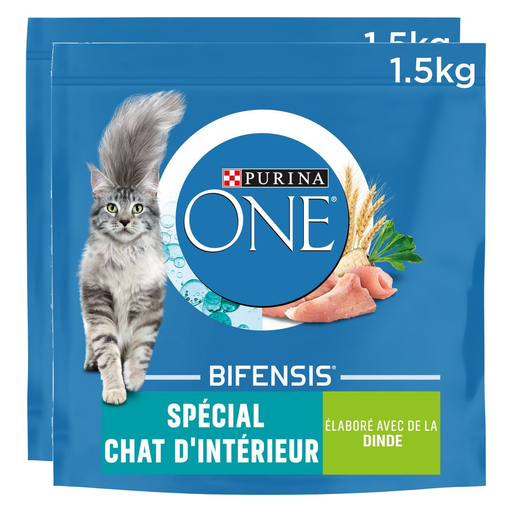
Why this choice suits this profile: A complete formula for adult cats living mainly indoors, offered in a handy 3 kg bag for everyday feeding.
The label specifies the age, lifestyle and nutritional values. That helps you avoid choosing a generic formula without considering your cat’s activity level.
Turkey listed at 17%, 36% protein and 5.5% fibre according to the product sheet.
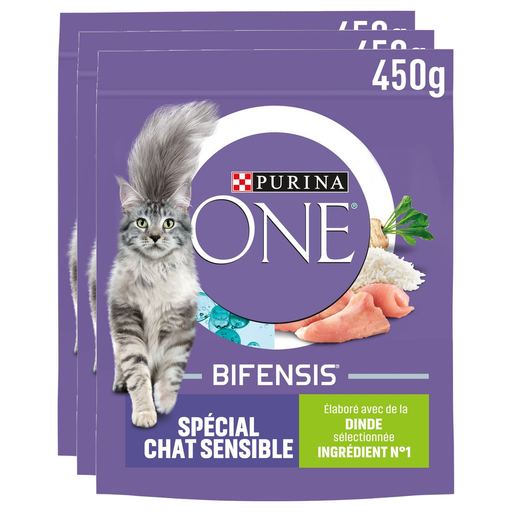
Why this choice suits this profile: A pack with separate portions, ideal for owners who are careful about storage and keeping a sensitive cat’s meals consistent.
The product sheet details the portions, storage after opening and how to adjust quantities based on weight and activity.
36% protein, 14% fat and taurine listed at 1,000 mg/kg.
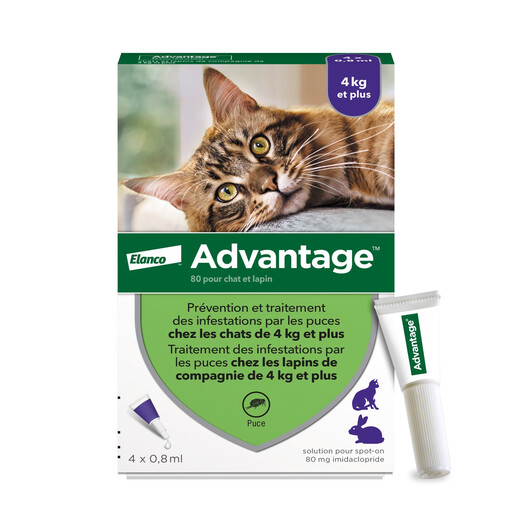
Why this choice suits this profile: A pack of four pipettes, handy for planning applications while sticking to the recommended frequency.
The minimum weight of 4 kg, minimum age of eight weeks and application precautions are clearly stated.
Four pipettes of 0.8 ml containing imidacloprid, for cats and rabbits as per the product sheet instructions.
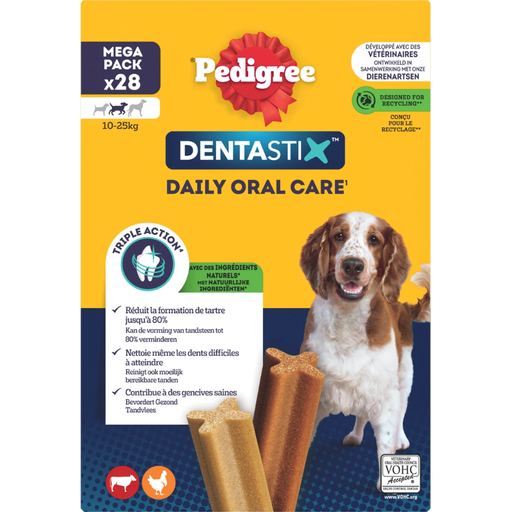
Why this choice suits this profile: A pack of 28 sticks that makes it easy to add a daily treat to a medium-sized dog’s routine.
The weight range of 10 to 25 kg and the limit of one stick per day reduce the risk of incorrect dosing.
28 pieces, 0.72 kg total, with no added sugars, artificial colours or flavours according to the product sheet.
We’ve put together a comprehensive, real-time selection of products that meet these exacting criteria and European safety standards.
A gradual transition over around seven days is often recommended for the foods in question. Gradually mix the new recipe with the old one, then monitor your pet’s appetite, stools and behaviour. If problems persist, consult a vet.
Follow the recommendations on the packaging. For the PEDIGREE DENTASTIX shown here, it is advised to give one stick per day to dogs weighing 10 to 25 kg. These products remain complementary foods: they do not replace proper oral care.
Only if the instructions explicitly mention both species and the corresponding weight range. The Advantage product shown indicates use on cats and rabbits weighing 4 kg and over, with a different frequency depending on the animal. Always check the label and ask a professional for advice if in doubt.