
Livraison le jour même ou le lendemain

Qualité garantie

Débloquez vos offres de bienvenue: Livraison GRATUITE | Jusqu'à -80 % | 30 jours d'essai gratuits à JoyPlus
Téléchargez l'application
Want to enjoy your balcony or garden shielded from prying eyes? It's an achievable dream, provided you choose the right privacy screen. With an overwhelming number of options, the task can quickly become a headache. Materials, opacity levels, installation methods... it's easy to get lost.
This guide is here to help. As a product expert for Joybuy, I'll break down the essential criteria and present a selection of tried-and-tested models. Our goal: to help you find the perfect solution for your space and budget.
Before you dive in, let's review the three key points that will ensure a successful purchase.
This is the starting point. The privacy you need for a small city balcony is different from what you'd want for a large garden. The opacity level, expressed as a percentage, is your primary indicator:
The choice of material will directly impact your outdoor aesthetic, as well as its weather resistance and longevity.
A poorly installed privacy screen won't last. This is a point you can't afford to overlook! Most flexible models feature reinforced metal eyelets. These allow for a secure attachment to a wire fence, railing, or balustrade using zip ties or coated wire. For added flexibility, consider a retractable privacy screen, which is perfect for adjusting shade and privacy throughout the day.
We've analysed the market and selected three products that stand out for their quality, ingenuity, and excellent customer reviews.
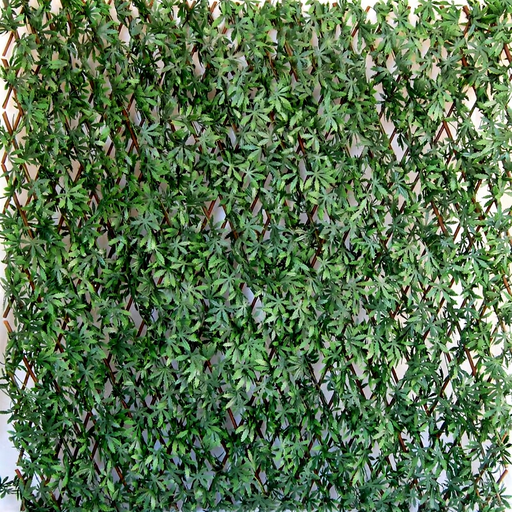
Tenax Divy 3D X-Tens Red Acer Palmatum Artificial Hedge 1x2m
Why it stands out: This artificial hedge is more than just a panel. It combines highly realistic 3D Japanese maple foliage with a clever natural willow trellis backing. The result: it's expandable and can be custom-fit to your support, both vertically and horizontally.
Benefits:
Who is it for? Anyone looking to add an instant and maintenance-free touch of green, whether it's to dress up a dull wall, decorate a balcony, or elegantly conceal an unsightly bin.
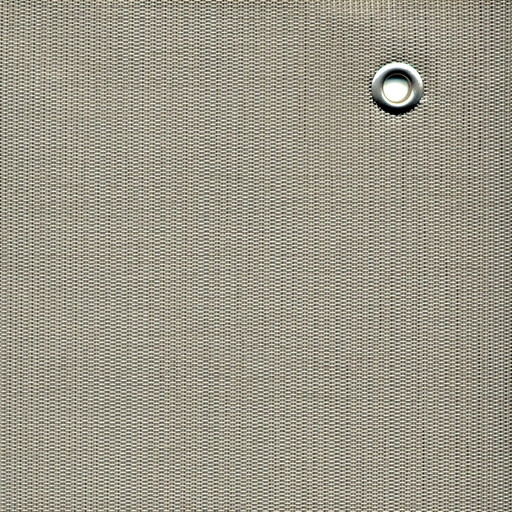
Tenax Texstyle Privé 1.00x3m Champagne Privacy Fabric
Why it stands out: This isn't just a screen; it's a true decorative accessory. Its champagne colour and meticulous weave give it a rare elegance. But style doesn't sacrifice strength: its high density (580?g/m?) and Textilene composition make it a heavyweight in its class.
Benefits:
Who is it for? Those who demand the best for their patio or balcony: a product that is as beautiful as it is strong, combining contemporary design with peace of mind.
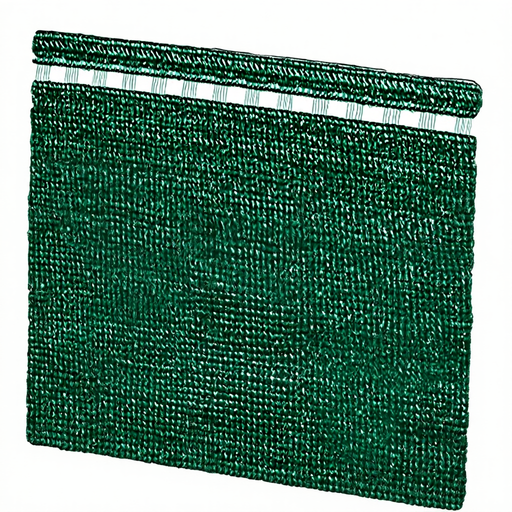
Tenax Coimbra 1.00x5m Green Woven Privacy Screen
Why it stands out: There are no compromises here: the goal is 100% blockout. Its unique woven flat monofilament structure forms an impenetrable visual barrier. It's the ultimate solution for absolute privacy.
Benefits:
Who is it for? Those looking for a total blockout solution that is no-frills but incredibly effective. Ideal for long garden fences or in situations where you are very overlooked.
This selection highlights three excellent products, but our catalogue is much more extensive. Decorative trellises, reed screening, other fabric colours... explore our full range to find exactly what you're looking for.
? Discover our range of trellis privacy screens for patios
1. How do I install a privacy screen so it can withstand wind? The key to a wind-resistant privacy screen is a flawless installation. Be sure to use every available eyelet. Pull the fabric taut, but without excessive force. Use high-quality zip ties and inspect them once a year. In very windy areas, consider doubling up the attachments at the corners, as these are the points under the most stress.
2. What's the difference between reed screening and a fabric screen?Reed screening is an assembly of reeds (natural, like bamboo, or PVC for a modern reed screen) bound together with wire. It has a more "raw" and traditional look. A fabric privacy screen is a technical textile (HDPE, Textilene) sold in a roll. Its main advantages are more uniform coverage, better resistance to wind and tearing, and often a more contemporary look.
3. Can I install a privacy screen on a rented balcony? Generally, yes. A flexible screen that is simply attached to the railing is considered a temporary fixture that causes no damage. You can therefore install it without needing a permit. However, a word of caution: it is essential to check your building's bylaws or homeowners' association (HOA) rules. These may impose restrictions on colours or materials to maintain the building's facade harmony. A quick look at this document will save you a lot of trouble.