
Livraison le jour même ou le lendemain

Qualité garantie

Débloquez vos offres de bienvenue: Livraison GRATUITE | Jusqu'à -80 % | 30 jours d'essai gratuits à JoyPlus
Téléchargez l'application
Enjoying your garden, terrace, or balcony in complete privacy is a luxury many of us aspire to. But with so many solutions available, it can be overwhelming to choose the right one. Between an incredibly lifelike artificial hedge, a designer screen, and traditional reed screening, which privacy screen will truly meet your needs for privacy, style, and durability?
This guide is here to walk you through the essential criteria and present our selection of the best products to transform your outdoor space into a genuine sanctuary.
Before you get started, three key criteria deserve your full attention to ensure your installation is as functional as it is durable.
The first, and most important, criterion is the degree of opacity you want for your garden or balcony. This is usually expressed as a percentage.
Note that some models, like windbreak netting, are specifically designed to reduce the impact of wind while offering moderate screening. This is a particularly smart solution for exposed balconies and terraces.
The choice of material for your privacy fence is crucial: it determines its appearance, weather resistance, and the maintenance it will require.
The privacy screen is not just a functional accessory; it's an integral part of your outdoor decor. Its style should therefore harmonise with your garden furniture, your home's facade, or the overall atmosphere you want to create. The possibilities are vast, with different colours (green, anthracite grey, taupe) and textures (weave, wood effect, foliage).
The good news is that most privacy screens sold in rolls are designed for easy installation on a wire fence, a balcony railing, or an existing fence. One thing to check is the presence of metal eyelets and their spacing. The closer they are, the more secure the attachment and the more perfect the tension of the fabric will be.
To guide you, our editors have selected three products that stand out for their manufacturing quality and relevance.
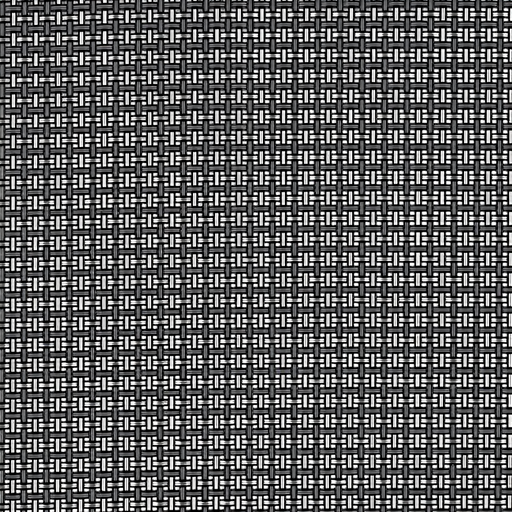
Why it stands out The Texstyle Vip is much more than a simple outdoor screen: it's a designer piece that combines contemporary aesthetics with high performance. Its Textilene weave (70% PVC, 30% polyester) and its palette of grey, black, and silver add an immediate touch of sophistication. With a heavy-duty weight of 700 g/m?, it guarantees near-total opacity and unbeatable durability.
Advantages
Who is it for? For anyone who wants a stylish and ultra-durable screening solution for their terrace or balcony.
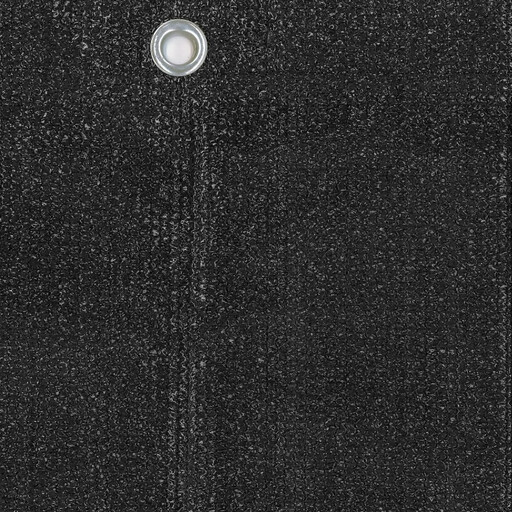
Why it stands out The Aloha netting relies on a compact, high-density polyethylene weave for formidable dual efficiency: it shields from view while also acting as a high-performance windbreak. Its understated and modern anthracite colour blends in anywhere.
Advantages
Who is it for? The smart choice for those in windy areas or for anyone looking for an ultra-durable and functional garden screening solution that doesn't sacrifice subtlety.
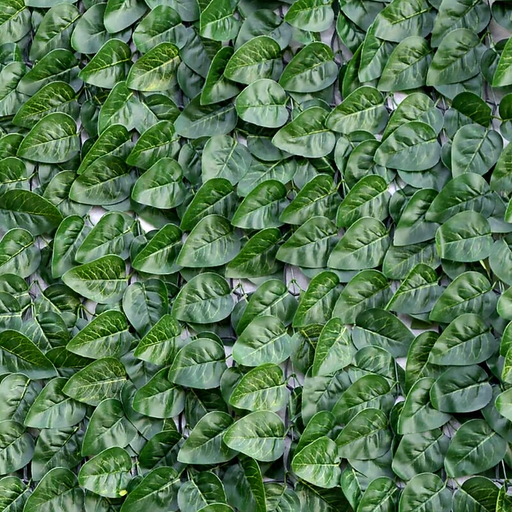
Why it stands out This artificial hedge is stunningly realistic, perfectly mimicking a laurel hedge. Its high-density polyethylene (HDPE) leaves create a dense and highly lifelike visual effect, providing a permanent green wall, minus the maintenance.
Advantages
Who is it for? The ideal solution for those who dream of a lush, private sanctuary without the constraints of gardening. It's also an excellent choice for concealing an unsightly wall or adding greenery to a balcony where real plants struggle to grow.
Our selection focuses on three distinct use cases. If these don't meet your needs or if you wish to explore other materials and formats, such as complete fencing systems, feel free to browse our dedicated category.
Discover our full range of fences and screening solutions
The longevity of a privacy screen primarily depends on its material and its exposure to the elements. A well-made HDPE or Textilene model with an effective UV-resistant treatment can last between 5 and 10 years. High-quality artificial hedges have a similar lifespan. Natural reed screening, on the other hand, will need to be replaced more often, typically every 2 to 5 years depending on the climate.
The simplest and most common method is to use plastic cable ties (zip ties) or galvanised wire. Simply thread them through the privacy screen's eyelets and attach them firmly to the support structure (fence, railing). The trick for perfect tension is to start by securing the four corners, then work your way to the intermediate eyelets, pulling the fabric taut as you go.
For a garden, the standard height is between 1.50 m and 1.80 m, which is usually enough to shield you from view from the street or neighbours. Please note: Before any installation, it is essential to consult your local council's planning regulations. Specific rules may apply to the maximum permitted height for fences and screens.