
Livraison le jour même ou le lendemain

Qualité garantie

Débloquez vos offres de bienvenue: Livraison GRATUITE | Jusqu'à -80 % | 30 jours d'essai gratuits à JoyPlus
Téléchargez l'application
Enjoying your garden, patio, or balcony away from prying eyes is a simple but precious luxury. However, being overlooked by neighbours can quickly spoil this pleasure. Installing a privacy screen seems like the obvious solution, but be warned: the market is flooded with products that make tempting promises but often prove disappointing in practice.
As a product expert at Joybuy, I'm here to help you see things more clearly. Before you rush to buy the first model you see, let's review the 3 most common pitfalls that turn a promising purchase into a costly disappointment.
To make an informed choice, rely on objective technical criteria rather than the siren song of marketing.
Choosing a privacy screen goes far beyond its colour or dimensions. Three technical parameters are crucial to ensuring your long-term satisfaction.
Grammage, expressed in grams per square metre (g/m?), measures the density of the screening fabric. The higher it is, the more opaque and robust the fabric. That's logical. But the material also plays a key role.
A garden screen is, by definition, constantly exposed to the sun. Without a quality UV treatment, the polymers degrade: colours fade and the material becomes brittle. Look for the mention "mass-dyed UV treated" or "UV-stabilised". This means the protective additive is integrated into the core of the material during manufacturing, not just sprayed on the surface. It's the guarantee of much more durable protection.
The best fabric in the world is useless if it's not securely fastened. Three points to check carefully:
To help you take action, here is our selection, analysed according to the objective criteria we've just discussed and designed for different needs.
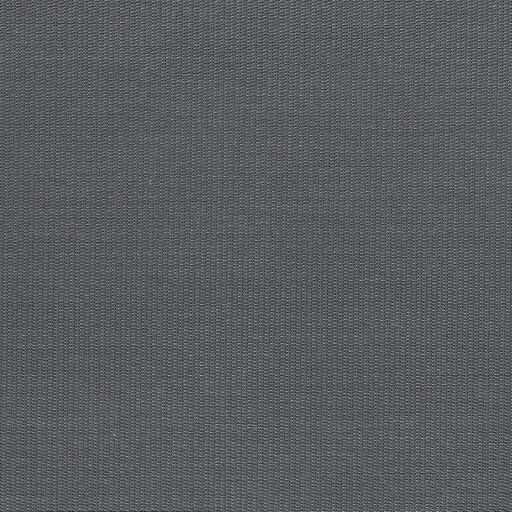
Why we chose it: The perfect solution for those who see a privacy screen as a decorative element in its own right on a contemporary patio or balcony. Its glossy finish and steel grey colour add an undeniable touch of modernity.
Its Textilene composition (70% PVC, 30% PET) with a very high grammage of 580 g/m? and its UV treatment protect it from deterioration. The stainless steel grommets placed every 30 cm help avoid the trap of fragile fastenings.
It combines highly effective screening with a sophisticated design. Its non-fraying structure and high tear resistance ensure excellent durability over time.
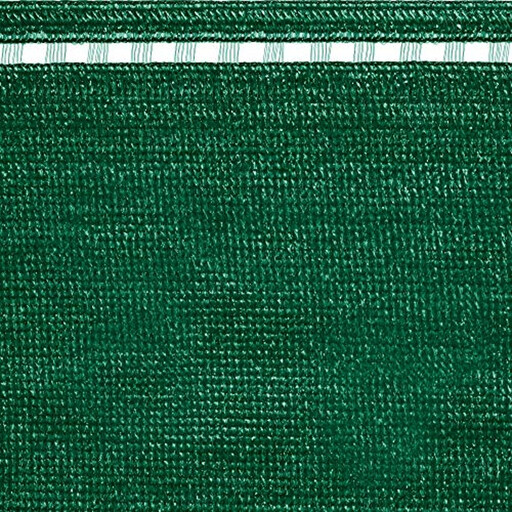
Why we chose it: The perfect ally for large gardens and long fences. The goal is simple: maximum screening and heavy-duty resistance, with no-frills and no compromise on durability.
It directly counters the false opacity trap with a dense 230 g/m? weave ensuring 100% screening. Its Rachel knit fabric is designed for superior UV and tear resistance, guaranteeing its longevity.
Total screening and robustness. The material can be cut to size without any risk of fraying, which offers great installation versatility.
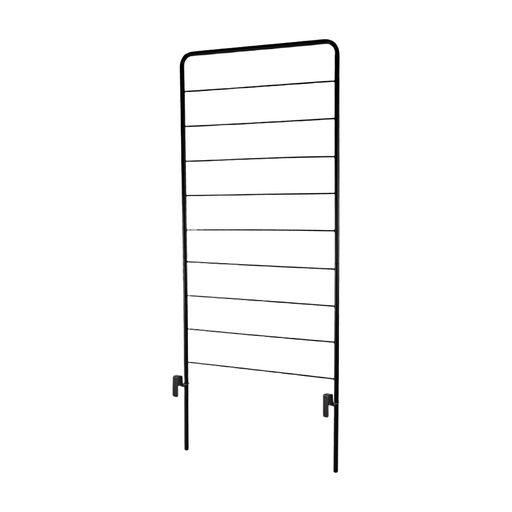
Why we chose it: For those who want to combine privacy with greenery. This trellis serves as both a support for climbing plants (ivy, jasmine, roses) and a designer privacy panel.
As a rigid structure made of powder-coated steel, it bypasses the common pitfalls of fabric screens. Its design is inherently resistant to weather and UV rays, ensuring structural durability far superior to that of a fabric screen.
Dual function: it creates a visual barrier while also serving as a support to vegetate a wall or fence. A solution that is as aesthetic as it is functional.
Discover our complete selection of products that meet our quality criteria and current standards.
Longevity primarily depends on the material and the quality of the UV treatment. A budget model will barely last one or two seasons. Conversely, a good privacy screen made of high-density HDPE or Textilene with a serious UV stabilisation can retain its properties and colour for 5 to 10 years, or even longer, under normal use conditions.
This is a key concern, especially on upper floors. Opt for a model with reinforced edges and closely spaced grommets (every 30 to 50 cm). Use quality fasteners (sturdy zip ties, elastic bungee cords) to secure it tightly to the railing, ensuring it is perfectly taut. For very exposed areas, a micro-perforated screen is an excellent alternative, as it allows some air to pass through, thus reducing the wind load.
Yes, most privacy screens also offer effective sun protection. The level of shade is directly related to the screening percentage. A model with 90% or more screening will create a very pleasant shaded area, making your privacy screen a valuable ally against the summer heat on your patio or balcony.