
Livraison le jour même ou le lendemain

Qualité garantie

Débloquez vos offres de bienvenue: Livraison GRATUITE | Jusqu'à -80 % | 30 jours d'essai gratuits à JoyPlus
Téléchargez l'application
The simple pleasure of a coffee on your balcony can be quickly spoiled by overly close neighbours or a sudden gust of wind. Yet, navigating the vast world of privacy screens to reclaim your peace can be daunting. Our guide is here to bring clarity, breaking down the criteria that truly matter and presenting our selection of the best models—no marketing jargon.
Our goal? To give you the keys to transforming your outdoor space into a true private oasis.
Before you make a purchase, a few technical points deserve your attention. They will make all the difference in the effectiveness and lifespan of your setup.
The first and most obvious criterion: what level of opacity are you aiming for? Options range from a simple light-filtering screen to an opaque barrier for total privacy.
A good rule of thumb: check the grammage (the weight per m?). A higher grammage often indicates a reinforced privacy screen and, therefore, a more robust product.
Your privacy screen will be exposed to the elements. A good patio windbreak must be durable. Ensure it is UV-treated so its colour won't fade after one summer. Tear resistance is just as crucial, especially if you live in a windy area. A dense weave and reinforced seams are tell-tale signs of quality.
To make your life easier, choose a privacy screen with eyelets. These metal rings, usually made of rustproof aluminium, are spaced around the perimeter of the fabric. They allow you to securely fasten it to your railing or fence with simple zip ties or wire. The closer the eyelets, the better the tension and the longer the screen will hold its shape.
Now, let's move on to our top picks. Here are a few models that caught our eye for their performance and design, suitable for various uses on a balcony, terrace, or as a garden privacy screen.
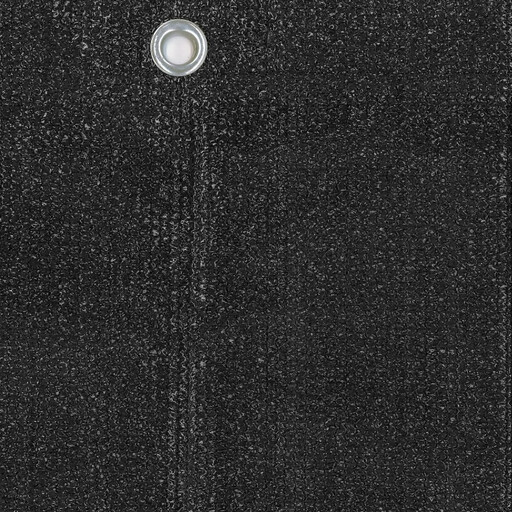
Why it stands out
The Tenax Aloha is an excellent all-rounder, a versatile solution that serves as both a privacy screen and a windbreak. Its specific high-density polyethylene weave is designed to withstand wind and tears while creating an effective visual filter. Its understated and versatile anthracite colour blends seamlessly into most outdoor settings.
Pros
Who is it for?
This is the ideal choice for those seeking a simple and effective solution for their balcony or fence, combining privacy with wind protection, all with a hassle-free installation.
Why it stands out
The Coimbra Dark takes things to the next level. It's designed for those for whom privacy is non-negotiable. Its secret? A unique manufacturing process that creates an ultra-compact flat monofilament mesh, guaranteeing near-total opacity. Its grammage, much higher than average, is a visible sign of its density and sturdiness.
Pros
Who is it for?
The perfect product for those who want to turn their terrace, garden, or balcony into a private bubble. It's a reinforced privacy screen that also serves as a highly effective windbreak.
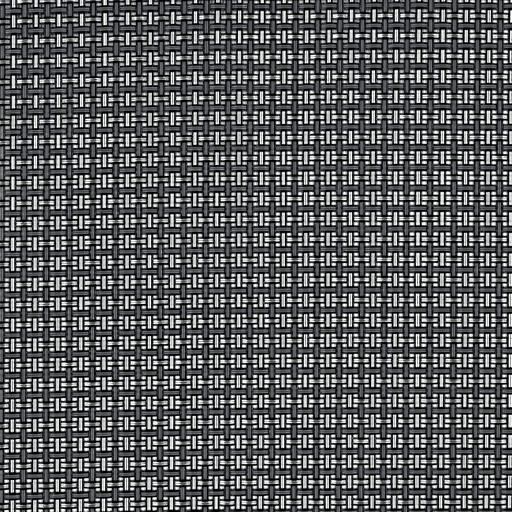
Why it stands out
Here, the focus is on design. The Texstyle Vip stands out with its particularly polished look. This isn't just a simple screen, but a true technical fabric that blends black, silver, and grey threads for a very chic finish. It offers light screening, perfect for defining a space or subtly filtering the view without feeling closed in. Its composition (70% PVC, 30% PET) ensures excellent long-term durability.
Pros
Who is it for?
For those who don't want to choose between style and function. It's the perfect solution for adding a decorative touch to a fence or balcony while creating discreet privacy.
Our selection covers several needs, but your project is unique. To discover other styles, materials, or opacity levels, feel free to browse our full catalogue.
? Explore a wider range of solutions for your outdoor space in our Anthracite Terraces category.
The two are often confused, but the distinction is important. A privacy screen, as the name suggests, is primarily used to block the view. A patio windbreak, on the other hand, is optimised to break up air currents. In practice, many models like the Tenax Aloha are versatile and perform both roles very well, thanks to a weave that blocks the view while allowing enough air to pass through to limit wind pressure.
It's quite straightforward. Simply unroll the screen along your support (railing, wire fence, etc.). Secure one corner, then work your way along, threading a zip tie, coated wire, or a small bungee cord through each eyelet. The secret is to keep the screen taut as you go to prevent it from catching the wind like a sail. Fastening at every eyelet ensures a flawless hold.
Good news: maintenance is a breeze for most synthetic screens (HDPE, PVC). A wipe with a sponge or a soft brush and clean water is usually enough to remove dust and dirt. For a stubborn stain, a little neutral soap will do the trick. However, avoid harsh detergents and high-pressure washers, as you risk damaging the UV-protective treatment and the fabric's fibres.