
Livraison le jour même ou le lendemain

Qualité garantie

Débloquez vos offres de bienvenue: Livraison GRATUITE | Jusqu'à -80 % | 30 jours d'essai gratuits à JoyPlus
Téléchargez l'application
A garden, a terrace, or even a simple balcony: whatever your outdoor space, enjoying it is a true luxury. But between prying neighbours, draughts, or the scorching sun, this little slice of paradise can quickly become less pleasant. This is where a privacy screen comes in: a solution as practical as it is aesthetic for reclaiming your privacy and comfort.
But with so many options available, how do you find your way? This guide is here to help you see more clearly and choose the perfect model for your needs by breaking down the essential criteria: density, material, and fastening system.
Before you take the plunge, let's review the key technical specifications that will make all the difference to the effectiveness and lifespan of your installation.
The screening power of a privacy screen is directly linked to its density, expressed in grams per square metre (g/m?). This is the benchmark indicator for judging its opacity and, often, its overall quality.
The vast majority of modern privacy screens are made of high-density polyethylene (HDPE), a material renowned for its robustness and lifespan. To make the right choice, here are the points not to be overlooked:
There's no good installation without a solid fastening system. The simplest and most reliable method remains privacy screen fastening with eyelets. Integrated into the reinforced edges of the fabric, these metal eyelets allow it to be stretched perfectly onto its support (fence, railing, etc.) using ties, wire, or simple cable ties. This ensures an impeccable hold, even in the face of strong gusts of wind.
To move from theory to practice, we have selected three products that stand out for their performance and versatility.
Its standout feature: An exclusive, ultra-compact, and uniform weave that guarantees total screening and an impeccable finish. Its very modern anthracite grey colour integrates elegantly into most decors. In terms of robustness, it stands out with a weight per square metre well above the average for shade nets.
Advantages:
Who is it for? For those who want to equip a long fence with a screening net for fencing without compromise: aesthetic, durable, and guaranteeing total privacy.
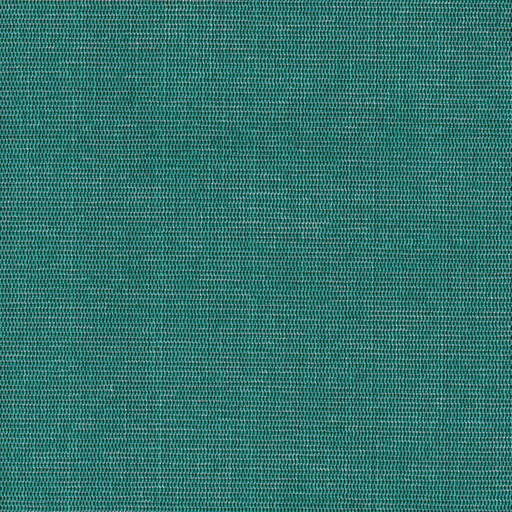
Its standout feature: The Tenax Bahia appeals with its almost textile-like appearance, achieved through a flat HDPE weave. But its real asset is its non-fraying structure: you can cut it to size without it unravelling. A decisive advantage for unconventional installations.
Advantages:
Who is it for? The ideal solution for a balcony privacy screen or a terrace privacy screen to be adjusted down to the centimetre. Its flexibility makes it the product of choice for atypical spaces or for tenants looking for an easy-to-install and remove solution.
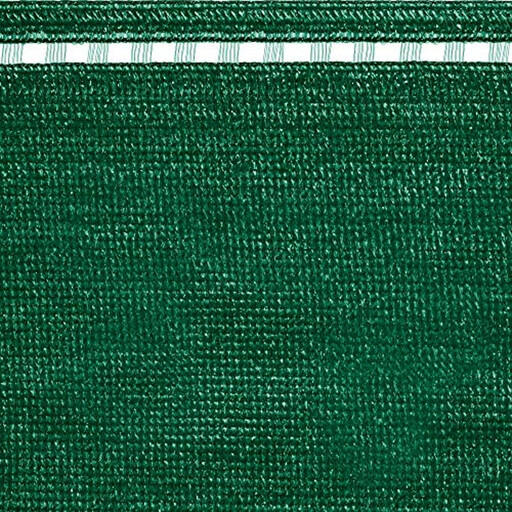
Its standout feature: With its record density of 230 g/m?, this net is built for raw performance. Tenax claims 100% screening, no less. Its knitted structure (Rachel type) gives it unparalleled strength and stability. Highly versatile, it can be installed both vertically (on a fence) and horizontally (as a shade sail).
Advantages:
Who is it for? For the most demanding users who want to make no compromises on screening. It's the ultimate solution against being overlooked from above, in very windy areas, or for creating a completely shaded area over a terrace or pool.
Is a fabric privacy screen not quite right for your project? Are you looking for complementary solutions to arrange your garden?
Take a look at our full range of Garden Tape to discover other ideas and perfect your setup.
1. What density should I choose for a privacy screen? It all depends on the level of privacy you're looking for. For standard use (balcony, fence), a density of 150 to 220 g/m? is an excellent compromise. For a very exposed line of sight or total sun protection, aim for a high-density privacy screen of over 220 g/m?.
2. How do I install a privacy screen on a fence? It's very simple, especially with a reinforced privacy screen fabric and its eyelets. Just unroll the fabric along the support (wire fence, railing, etc.). Then, thread cable ties (like zip ties), wire, or dedicated ties through each eyelet to secure it firmly. The secret is to stretch the fabric tightly so it doesn't act like a sail in the wind.
3. Can a privacy screen be cut to size? Yes, but pay attention to the type of fabric! "Non-fraying" models, like the Tenax Bahia, are made for this: you can cut them without any risk of unravelling. For others, cutting is still possible, but it's more prudent to make a small hem or very lightly cauterise the edges (with a lighter, for example) to stop the weave.