
Livraison le jour même ou le lendemain

Qualité garantie

Débloquez vos offres de bienvenue: Livraison GRATUITE | Jusqu'à -80 % | 30 jours d'essai gratuits à JoyPlus
Téléchargez l'application
Reclaiming privacy in your garden, on your terrace, or balcony isn't a luxury—it's a necessity. When faced with prying eyes or persistent wind, installing a privacy screen is often the simplest and most effective solution. However, the market is flooded with products that make enticing promises but whose quality often leaves much to be desired. A poor choice quickly turns into a purchase you'll regret: a screen that tears at the slightest snag, colours that fade to a dull shade in a single season, or an installation that gives way with the first gust of wind.
As a product expert at Joybuy, my mission is to help you make an informed decision. Let's cut through the marketing jargon and focus on the criteria that truly matter. Here are the mistakes to avoid and the key points to check for a truly long-lasting investment.
Before you even start comparing models, it's crucial to be aware of the hidden flaws that can render a privacy screen useless in just a few months.
To avoid falling into these traps, three technical specifications must command your attention. They are the true guarantors of the quality and longevity of your future patio privacy screen or garden privacy screen.
Expressed in grams per square metre (g/m? or GSM), density refers to the weight of the material. It is the number one indicator of its robustness and opacity.
The choice of material directly impacts aesthetics, durability, and maintenance.
A good windbreak is, first and foremost, a securely fastened privacy screen. Always check:
To help you see how these criteria apply in practice, here are a few options tailored to specific needs.
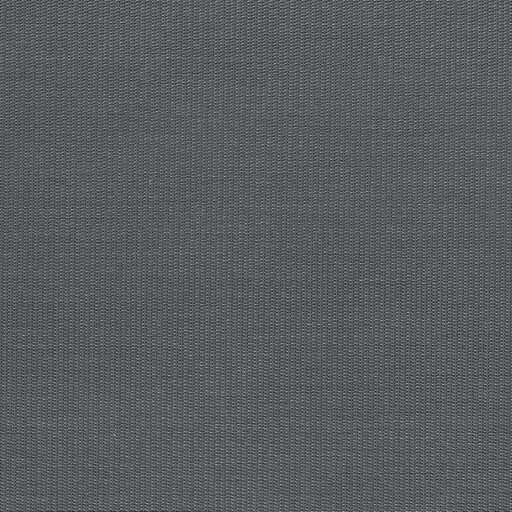
Why we chose it: Perfect for a balcony privacy screen, it combines effective protection from prying eyes with a decidedly modern design. Its steel grey colour and woven texture add a decorative touch that pairs beautifully with contemporary architecture.
With a record-breaking density of 580 g/m? in Textilene (PVC/PET), it offers extreme tear resistance. Its UV treatment ensures long-term colour fastness and durability, even in full sun exposure.
Its metal grommets, integrated every 30 cm at the top and bottom, guarantee a simple, fast, and above all, ultra-robust installation that stands up to wind.
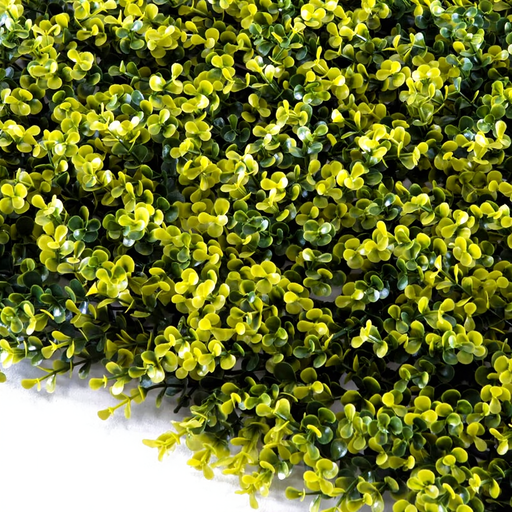
Why we chose it: For anyone who wants the look of a natural hedge without the hassle of watering and trimming. This modular privacy panel mimics boxwood with a realistic 3D effect, perfect for covering a wall or fence.
Its dense PE foliage features an advanced UV treatment, preventing any discolouration or brittleness. Unlike low-end artificial hedges, the leaves stay put and retain their colour.
Its modular grid structure makes assembling the panels a breeze to cover any desired area. The attachment is solid, and the privacy is instant and total.
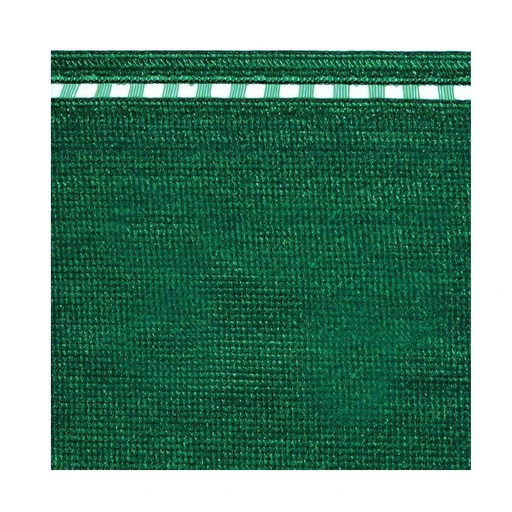
Why we chose it: This 50-metre privacy screen roll is the cost-effective and incredibly efficient solution for fencing off long perimeters, whether residential or commercial. Its 2-metre height offers maximum privacy.
Made from HDPE with a reinforced weave, it's built to withstand tension over very long distances. The high-quality UV treatment ensures its green colour and flexibility endure season after season.
Its mesh is expertly optimised to provide the perfect balance between opacity and air permeability. The result: the "sail effect" is reduced, drastically limiting pressure on the fence.
Discover our full selection of products that meet these quality criteria and current regulations.
What is the lifespan of a synthetic privacy screen? Its longevity depends on two key factors: the quality of the material (a high-density HDPE or Textilene will last longer) and the effectiveness of the UV treatment. A quality product, properly installed, can retain its properties and colour for 5 to 10 years. Conversely, an entry-level model will show signs of wear and tear after just the first or second year.
How do I securely attach a privacy screen roll to a fence? This is the most critical step. You must use high-quality fasteners (UV-treated zip ties, coated wire, dedicated staples) on every grommet. For optimal hold, secure the screen every 30 to 50 cm at the top, bottom, and on the vertical posts. Ensure your fence or support structure is sturdy enough to handle the wind load.
Can a privacy screen withstand strong winds? Absolutely, provided it is well-chosen and perfectly installed. For highly exposed areas, opt for a windbreak with a more open weave, designed to let air filter through and reduce the "sail effect" that puts a strain on the structure. A close, solid fastening to a rigid support is non-negotiable. The Tenax Mistral model, for example, was specifically developed for this purpose with its unique mesh structure.