
Livraison le jour même ou le lendemain

Qualité garantie

Débloquez vos offres de bienvenue: Livraison GRATUITE | Jusqu'à -80 % | 30 jours d'essai gratuits à JoyPlus
Téléchargez l'application
Grimy patio, blackened facade, mud-caked car? A pressure washer seems like the miracle solution. However, buying one can quickly become a headache. Between promises of power, a jungle of accessories, and wide price gaps, it's easy to end up with an unsuitable, unreliable device, or one that costs a fortune in repairs and additional purchases. Before you make your choice, let's review the pitfalls to avoid and the criteria that truly matter.
Don't be blinded by marketing: some impressive numbers often hide critical weaknesses. Here are three points to check for an informed purchase.
To see clearly through the different options, focus on these three technical specifications. They define the use and lifespan of your future device.
These two values are crucial and must be analysed together.
The choice depends on your environment and your mobility needs.
electric K?rcher. It offers constant power and unlimited runtime, perfect for long cleaning sessions. Its only constraint is the length of the power cord and the need for a nearby outlet.The pump is the core component. Its material directly impacts the device's lifespan.
Rather than a simple list of products, we have selected models that match specific user profiles, ensuring they check all the boxes for performance and reliability.
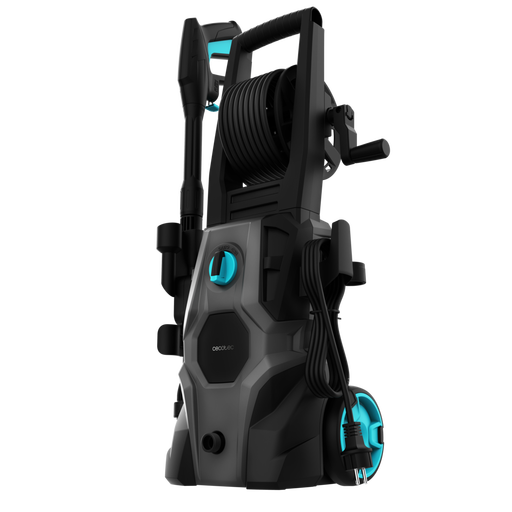
Why it's a match: Ideal for those who want a single solution to maintain their car and clean their patio without needing multiple devices. The included accessory kit directly addresses these two specific needs.
Unlike basic offers, this model comes with a complete set of accessories (rim brush, floor cleaner), saving you from additional purchases. Its aluminium pump offers better durability than entry-level composite pumps.
Complete accessory kit for car and garden; Aluminium pump for increased reliability.
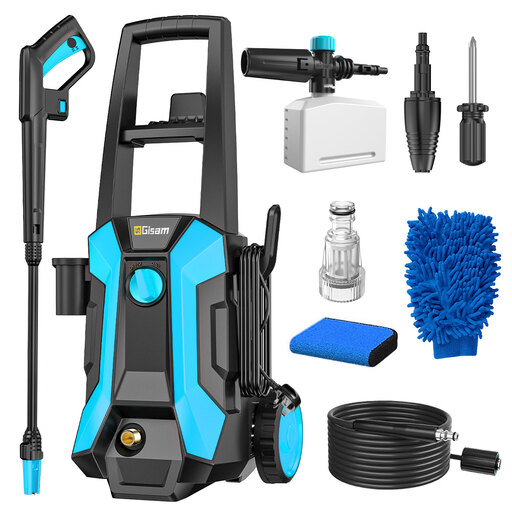
Why it's a match: Perfect for homeowners facing ingrained dirt on large surfaces like driveways, facades, or large stone patios. High power is a non-negotiable criterion here.
This model doesn't bet everything on pressure. Its high flow rate of 480 L/h ensures rapid debris removal, avoiding the trap of "high-pressure" washers that only move dirt around. The integrated hose reel prevents wear and tangling.
High pressure/flow rate combo (180 bar / 480 L/h) for maximum efficiency; Integrated hose reel for convenient storage.
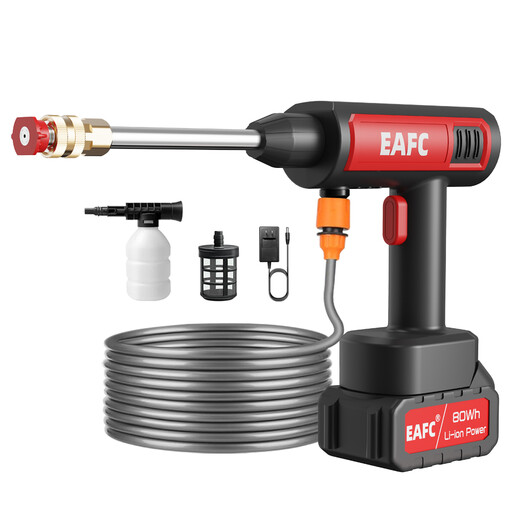
Why it's a match: Designed for those without easy access to a power outlet or a tap, such as apartment dwellers washing their car at a station, or for quick spot-cleaning on a balcony.
This cordless pressure washer meets a need that corded washers ignore: absolute portability. It avoids the frustration of a cable that's too short or the inability to clean far from a power source. It's designed for flexibility over raw power.
Cordless, battery-powered operation for total freedom; Portable and self-priming design (draws water from a bucket).
We have compiled a complete and up-to-date list of products that meet our strict selection criteria and current safety standards.
A pressure between 100 and 130 bar is generally considered safe and effective for washing a car. The most important thing is to use a wide-angle nozzle (25° or 40°) and maintain a distance of at least 20 to 30 centimetres from the bodywork. Never use the turbo nozzle (rotary nozzle) on the paint, as its concentrated power could damage it.
Surprisingly, no. A pressure washer uses an average of 350 to 500 litres of water per hour. In comparison, a standard garden hose can consume over 3,000 litres in the same amount of time. It is therefore a much more water-efficient cleaning method.
It is strongly recommended to use detergents specifically formulated for pressure washers. Common household detergents can be too viscous, clog the suction system, or even damage the seals and pump of the device. Always consult the recommendations of your washer's manufacturer.