Households cooking meals for several days
If you prepare several portions at once, separate those you’ll keep in the fridge from those you plan to freeze. Then compare the usable capacity of both compartments with the space your containers take up.


Keep your current fridge if you can store portions without overfilling it, keep its coldest area at 4 °C and only freeze food occasionally. A fridge freezer is a good choice if you regularly need space for both fresh meals and frozen portions. Consider a separate freezer if the freezer compartment is consistently full and you have a suitable space for another appliance. Compare the usable capacity of each compartment, the energy label and the layout before adding an appliance.
How much food you keep chilled or frozen, and how much space you actually have, will help you decide what appliance you need.
If you prepare several portions at once, separate those you’ll keep in the fridge from those you plan to freeze. Then compare the usable capacity of both compartments with the space your containers take up.
If your fridge works well but its freezer compartment is often short of space, check whether the problem persists after rearranging your portions. A separate freezer may be the answer to this specific need.
Available space, the clearance needed for ventilation and noise levels matter just as much as the stated capacity. Measure the space before choosing a larger appliance.
Start by working out how much space you need for fresh and frozen portions. Then check the temperature, installation requirements and information on the energy label.
Consider this if: you mainly keep portions chilled and the issue is how they’re stored, rather than a lack of capacity.
Limitation: rearranging containers won’t create more space if the freezer is consistently full.
Consider this if: you prioritise fridge space and only freeze small amounts occasionally.
Limitation: UFC-Que Choisir says a small freezer compartment isn’t enough for a household that eats a lot of frozen food.
Consider this if: you regularly keep meals chilled while freezing some of your batch-cooked food.
Limitation: the total capacity doesn’t tell you how much space each compartment has.
Consider this if: the freezer compartment is regularly full, but your fridge still meets your needs.
Limitation: ADEME points out that a freezer runs continuously, so you’ll also need to find a suitable place for it in line with the manufacturer’s instructions.
| Consideration | What to check | Think about your needs |
|---|---|---|
| Capacity of each compartment | Compare the usable chilled and frozen capacities in litres, as shown on the EU label. Check that the shelves and drawers can fit your containers. | I keep meals for the next few days, but I also want room for the portions I freeze. |
| Temperature and storage | Check the instructions to find the coldest area. Anses recommends keeping an eye on the temperature there and maintaining it at 4 °C. Avoid packing all your containers tightly together. | After batch cooking, I need to be able to put perishable dishes in the coldest area without overfilling the fridge. |
| How often you freeze food | Assess how much space your frozen portions take up over the course of a few weeks. If you freeze food regularly, compare the capacity of a dedicated freezer compartment with that of your current appliance. | A few portions frozen occasionally don’t need as much space as a stock of frozen meals that I replenish every week. |
| Energy use and noise | The EU label shows information including the energy rating, annual consumption in kWh and noise level. Compare appliances with similar capacities to meet your needs. | In an open-plan kitchen, I consider noise levels. Before adding another appliance, I also check its continuous energy consumption. |
| Installation | Measure the space and access routes. Check the ventilation clearances and climate class in the instructions for the model you’re considering. | If I put another appliance in a different room, the ambient temperature and the space around it must be suitable for installation. |
Two fridge freezers may divide their capacity differently between the fridge and freezer compartments. So a large total capacity doesn’t guarantee enough room for your frozen portions.
Count the containers you’ll keep chilled and frozen separately, then compare the usable capacity and internal dimensions of each compartment.
An extra appliance won’t solve a layout problem on its own. ADEME points out that fridges and freezers run continuously.
First, try sorting your portions by storage area and check which compartment is actually short of space.
If you add an appliance, its electricity use will be on top of the energy used by the one you keep.
Overpacking can restrict airflow around containers and make it harder to put perishable dishes in the coldest area.
Leave space between containers and check the instructions to find the area where you should monitor the 4 °C recommended by Anses.
A fridge freezer or separate freezer needs to fit in the space available and meet the installation requirements for that model, including ventilation and climate class.
Measure the appliance, access routes and required clearances. Before ordering, also check the permitted ambient temperature in the instructions.
These examples of ranges and models illustrate differences in capacity and installation requirements. Their features won’t necessarily apply to every appliance from the same brand.
Bosch offers a range of freestanding fridge freezers designed to divide storage between chilled and frozen food.
Some Beko fridge freezers focus on airflow between the compartments.
The range includes built-in fridge freezers, for which the dimensions of the housing are crucial.
Whirlpool offers a range of large-capacity freestanding fridge freezers.
These Joybuy fridge freezers are an option if you want one appliance that combines chilled and frozen storage. If your current appliance is adequate, or only your freezer is consistently short of space, compare these options before choosing a fridge freezer.
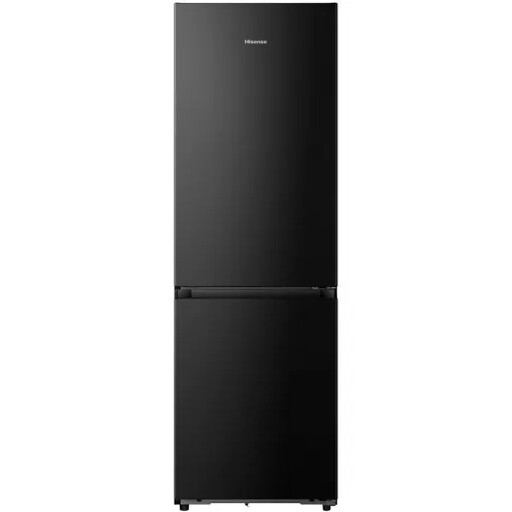 Image unavailable
A fridge freezer to consider if you want to keep some portions chilled and freeze others. The title states a total capacity of 330 L. Check the capacity of each compartment, whether your containers will fit and where to find the coldest area in the instructions.
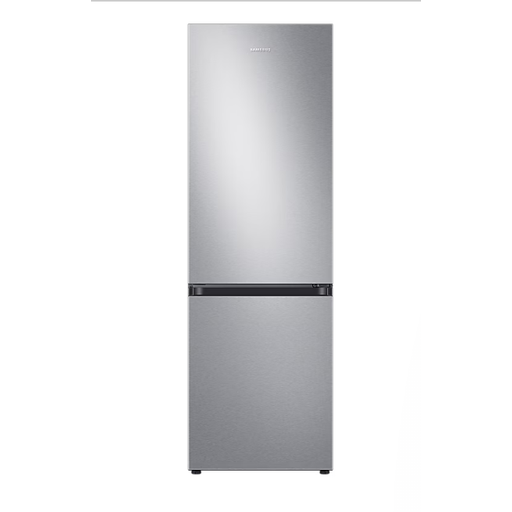 Image unavailable
Compare this fridge freezer if you need to store chilled meals and frozen portions at the same time. The title gives it a D energy rating, but the stated total capacities differ between the title and description. Confirm the capacity of the version on offer, as well as the space available on the shelves and in the drawers.
 Image unavailable
Its three-door design is worth considering if easy access to different portions is important for your storage needs. The title states a capacity of 360 L, Total No Frost and an E energy rating. Check how the capacity is divided, the dimensions of the drawers and the clearances needed for installation.
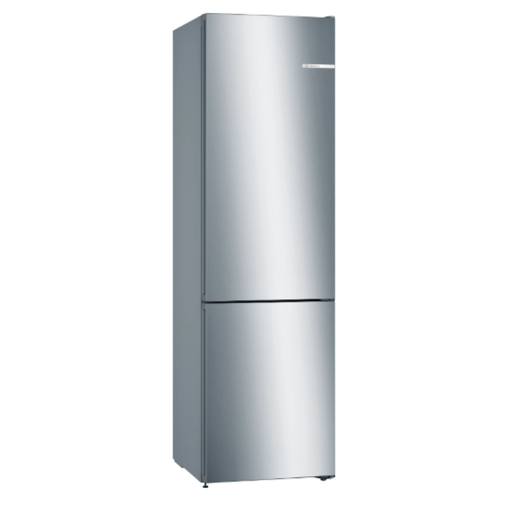 Image unavailable
This fridge freezer is an option if you want chilled and frozen storage in a single appliance. The title states a total capacity of 368 L and an E energy rating. Above all, check that the freezer capacity is suitable for your portions, then check the height and required clearances.
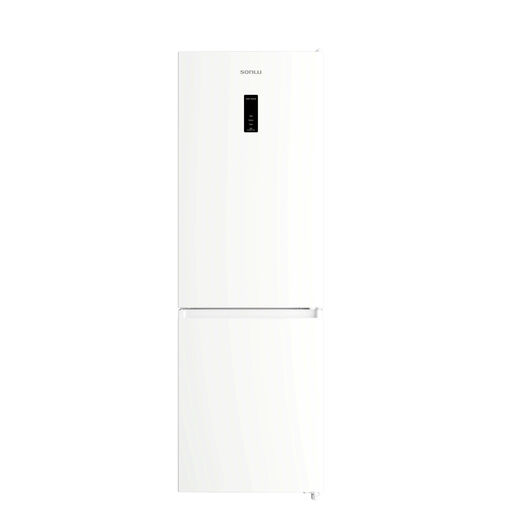 Image unavailable
The stated capacity split—211 L for the fridge and 99 L for the freezer—lets you compare the space with your chilled and frozen portions. The title states a width of 60 cm, a reversible door and an E energy rating. Check the full dimensions, annual energy consumption, noise level and usable space in each compartment. The Low Frost freezer needs to be defrosted manually.
Anses recommends monitoring the temperature in the coldest area and keeping it at 4 °C. Store perishable foods there, including cooked meals. Check your appliance’s instructions to find this area.
UFC-Que Choisir gives a general guideline of 100 to 150 L of usable capacity for one person, plus 50 L for each additional person. Adjust this starting point to suit your containers, shopping habits and the number of portions you freeze. Compare the fridge and freezer capacities separately.
It may be suitable if you only freeze small amounts occasionally. For a household that eats a lot of frozen food, UFC-Que Choisir says a small freezer compartment isn’t enough. In that case, look at the capacity of a dedicated freezer compartment or a separate appliance.
The European Commission says the label for fridges and freezers includes information such as the energy rating, annual energy consumption, storage capacities and noise level. Check the capacity of each compartment so you don’t confuse the total capacity with the space available for frozen food.
Measure the space and follow the model’s instructions for clearances, ventilation and climate class. Electrolux France recommends leaving room for air to circulate around a fridge freezer. Also check the instructions for the specific appliance you’re buying.