What sets the different formats apart?
Estimate how much fresh and frozen food you need to store when your supplies are at their fullest, then check that the appliance and its doors or lid will fit the intended space.
| Factor |
What to check |
What shoppers are looking for |
| Frozen-food capacity |
The freezer’s net capacity and the space needed for your largest containers or packs. |
If I freeze lots of meals at once, I want to fit everything in without relying on the appliance’s total capacity; around 33% of shoppers prioritise this freezing capacity. |
| Balance of fresh and frozen storage |
The net capacity in litres of each compartment and how the shelves and drawers fit your containers. |
To cook for the next few days while keeping a few portions in reserve, I need room in both compartments. This balance is the main priority for around 25% of shoppers. |
| Access to portions |
How the door or lid opens, whether drawers can be removed and how easy it is to reach the bottom of the compartment. |
If I often take out portions sorted by date, I want to find them without moving the whole supply; around 25% of shoppers prioritise easy access. |
| Maintenance and installation |
Defrosting method, kWh/year on the energy label and the ambient temperatures permitted in the manual. |
If the appliance needs to go in a particular space or defrosting is a chore, installation and maintenance requirements matter more to me than extra capacity. This is the priority for around 17% of shoppers. |
Fridge-freezers and a convertible chest freezer on Joybuy
These models let you compare fresh and frozen storage in a single appliance, or add extra storage with a convertible chest freezer. Before choosing, compare the space actually available for freezing and any installation requirements.
 Image unavailable
Candy CFQQ5T817EPS, 4-door fridge-freezer, 467 L
Consider this if you want to store fresh food and frozen portions in one four-door appliance. The model name indicates Total No Frost and an E energy rating; compare the usable capacity of each compartment with your containers and check the clearance needed for installation.
View on Joybuy
 Image unavailable
Haier HTW5618ENMG, 3-door fridge-freezer, 360 L
An option to compare if you prepare portions for freezing while keeping fresh ingredients for the week. The model is listed with Total No Frost, an E energy rating, Wi-Fi and My Zone; check how much space each compartment offers and whether the intended location meets the installation requirements.
View on Joybuy
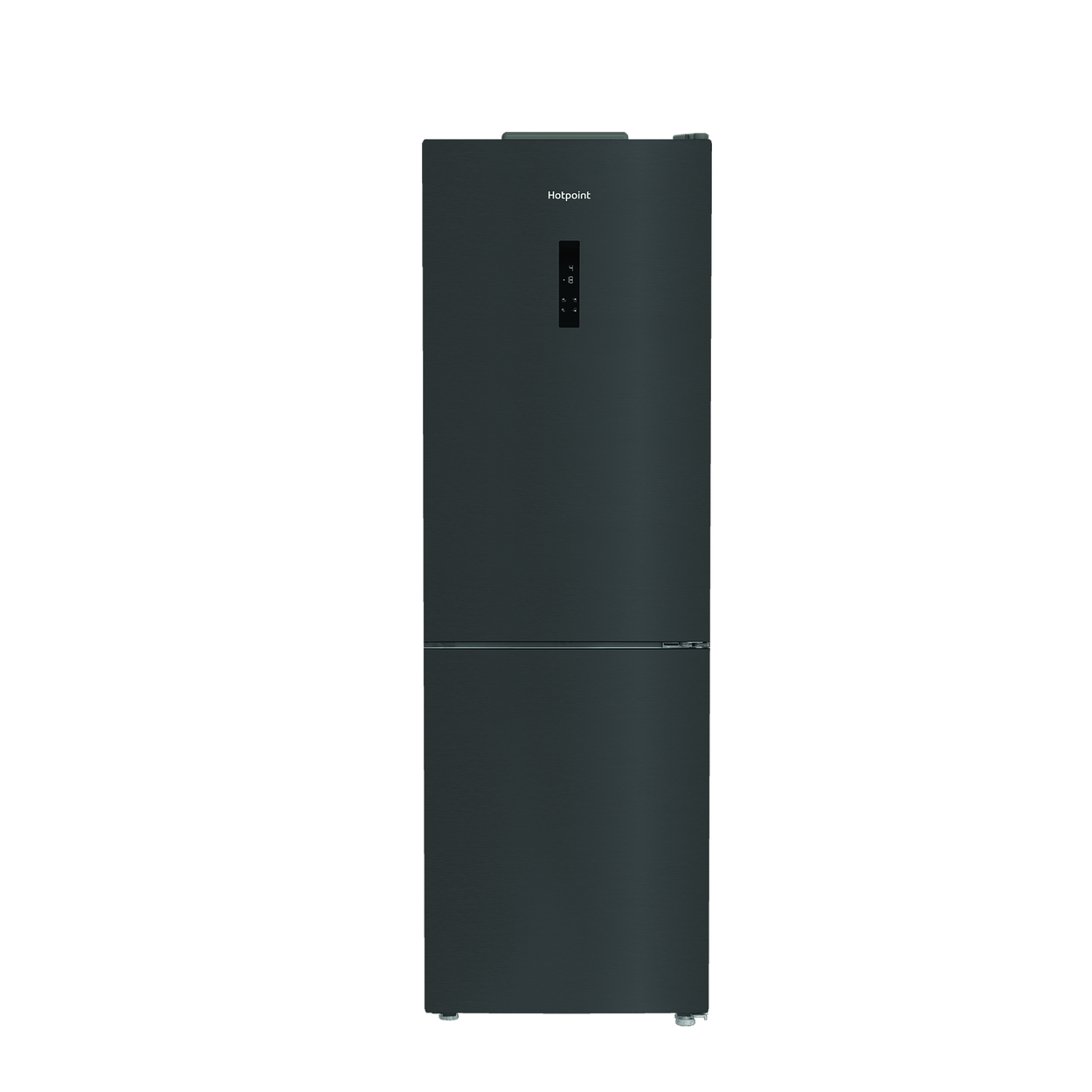 Image unavailable
Hotpoint HPK26363XBR5E, fridge-freezer, 316 L
Worth comparing if you need a mix of fresh-grocery and frozen-food storage. The model name indicates Double No Frost and a D energy rating; check the freezer’s usable capacity, annual energy consumption on the label and permitted ambient temperatures if the appliance will be kept somewhere unheated.
View on Joybuy
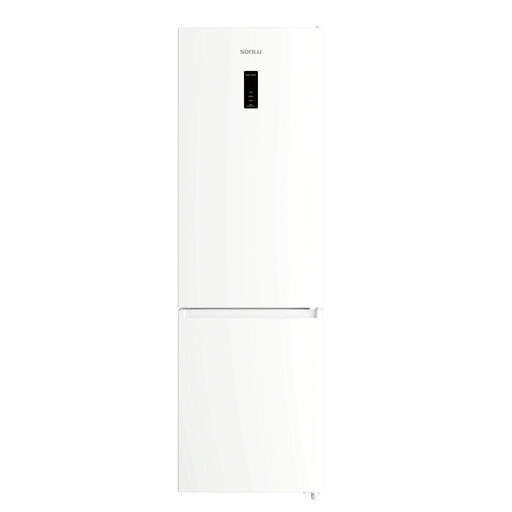 Image unavailable
Sonlu CD‑400RW, fridge-freezer, 355 L
Worth considering if you’re looking for a fridge-freezer with separately listed capacities: 252 L for the fridge and 103 L for the freezer. The model name mentions a width of 60 cm, a reversible door and an E energy rating; also measure the depth, height and door clearance before buying.
View on Joybuy
 Image unavailable
AUCMA, convertible chest freezer, 291 L
Worth considering as a separate food store if you have enough floor space for a chest freezer. The model is described as switching between fridge and freezer modes, and comes with a removable basket and an E energy rating; check the usable capacity in your chosen mode, access to the bottom, defrosting requirements and the temperatures permitted in your space.
View on Joybuy
Frequently asked questions
How can I estimate the capacity I need without relying on household size?
Take stock during a typical grocery-shopping and cooking cycle, when you have the most food in storage. Count the portions, bulk buys and containers you need to keep chilled or freeze, then compare the net capacity of the two compartments separately.
Is a chest freezer always better for batch cooking?
No. A chest freezer can store bulky packs, but it needs floor space and food at the bottom can be harder to reach. If you often take out sorted portions, compare it with an upright freezer with drawers, taking the available space into account.
Can you put any freezer in an unheated garage?
No. Check the model’s permitted ambient temperatures, climate class and ventilation clearances in the manual. A manufacturer’s claim about a particular model doesn’t apply to its entire range.
What should you compare on a new appliance’s energy label?
Check the exact model, its rating on the current A to G scale and its stated annual energy consumption in kWh. The DGCCRF explains that the old A+, A++ and A+++ ratings have been replaced for fridges and freezers; also compare usable capacity and the category of the appliances you’re considering.
Does No Frost mean you’ll never need to defrost the appliance?
That depends on the model and which compartments the feature covers. Bosch and Liebherr describe their No Frost systems as limiting frost build-up; check the product details and manual for your chosen model to see whether the feature applies to the freezer alone or both compartments, and what maintenance is required.


