
Livraison le jour même ou le lendemain

Qualité garantie

Débloquez vos offres de bienvenue: Livraison GRATUITE | Jusqu'à -80 % | 30 jours d'essai gratuits à JoyPlus
Téléchargez l'application
Choosing a premium whisky is not simply about spotting an attractive label or opting for the highest price. From single malt and blended malt to Japanese whisky and French production, styles can vary dramatically. A heavily peated bottle will not necessarily appeal to someone who prefers soft, fruity profiles. Conversely, a whisky matured in sherry casks may seem too rich for a lighter tasting.
Before placing your order, it is worth keeping a few common pitfalls in mind:
A single malt whisky is made at a single distillery from malted barley. Its aromatic identity can be very distinctive, influenced by the terroir, stills and casks used.
A blended malt combines several single malts. This category can offer more expressive or contrasting profiles. Big Peat, for example, brings together malts from the island of Islay and focuses on a particularly smoky expression.
Single grain whisky, such as Nikka Coffey Grain, is mainly made from cereals such as maize. It generally offers a smooth texture and a softer profile, with notes of pear, vanilla or honey.
The cask description provides a valuable indication, provided you consider it alongside the stated tasting notes:
Dalmore 12 Years, for example, combines maturation in bourbon casks with a portion aged in Oloroso casks. Its product description mentions notes of orange, walnut, brioche and cocoa. Jura Sherry Cask 12 Years leans more towards plum, dried citrus and walnut.
Alcohol strength affects the mouthfeel and whether you can add a few drops of water to soften it. The bottles featured here have an alcohol strength of between 40 and 46% vol.
The most common format remains the 70 cl whisky bottle, suitable for personal tasting, a meal or a gift. When buying a gift, also remember to check whether a sleeve or presentation case is included. Nikka Coffey Grain is available with a box, making it easier to present.
Alcoholic drinks should be consumed in moderation. They are not recommended during pregnancy and are prohibited for under-18s. Always check the information provided on the label and packaging.
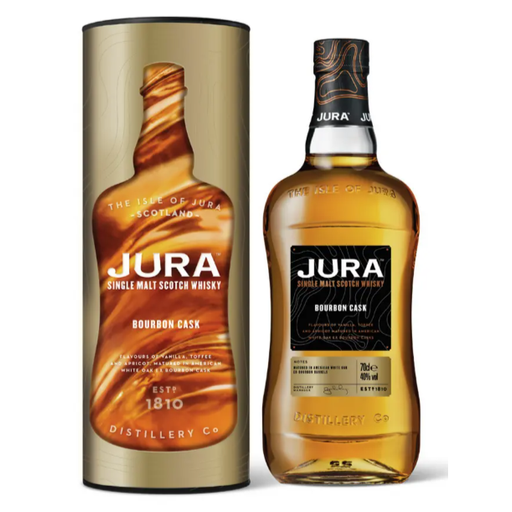
Why this choice suits this profile: At 40 % vol., this single malt combines vanilla, apricot and creamy caramel. It is an approachable introduction to non-peated single malt, to enjoy neat or with a few ice cubes.
The product description clearly states that bourbon casks are used and highlights a fruity profile. The choice is therefore not based solely on its Scottish origin.
70 cl Scottish single malt, matured in American white oak casks, with notes of vanilla, pear and cinnamon.
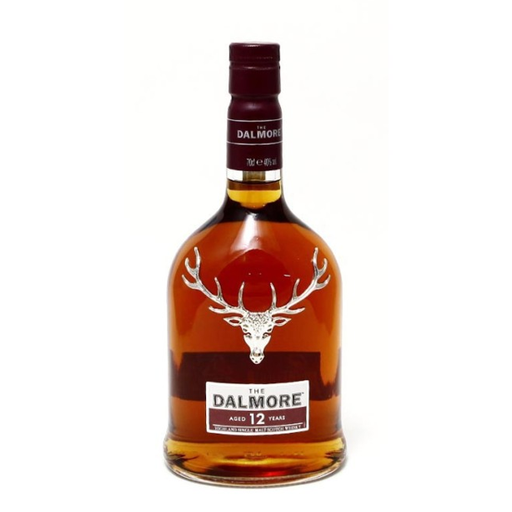
Why this choice suits this profile: This Highlands bottle benefits from maturation in both bourbon and Oloroso casks. Its stated aromatic profile combines orange, walnut, brioche and cocoa.
The age and cask types are clearly stated. This allows you to compare the bottle using tangible criteria, rather than relying solely on the promise of a “premium” product.
Highlands single malt, 40 % vol., 70 cl format and maturation split between bourbon and Oloroso casks.
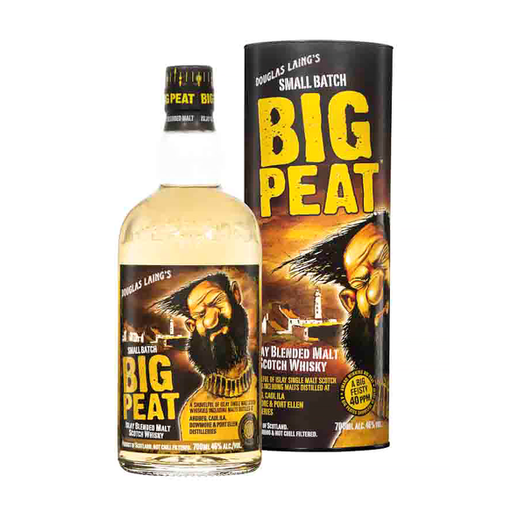
Why this choice suits this profile: At 46 % vol., this Islay blended malt is aimed at those who enjoy bold profiles. It features notes of liquorice, ash, clove and smoke.
The product description specifies its heavily peated character and its blend of Islay malts. You therefore know what to expect before buying.
Scottish blended malt, Islay origin, 46 % vol. and an aromatic profile dominated by peat.
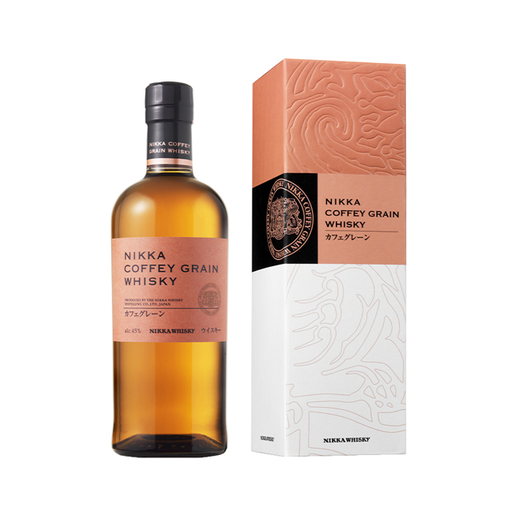
Why this choice suits this profile: Its sleeve makes it a smartly presented gift option. This 45 % vol. single grain combines honey, pear, vanilla and spice, and can be served in several ways.
The single grain category and the fact that it is made mainly from maize are clearly stated, as is the presentation with a sleeve.
70 cl Japanese whisky, single grain, 45 % vol. and sleeve included according to the product description.
We have selected a comprehensive, up-to-date range of products that meet these selection criteria, in accordance with European safety regulations.
The price depends on many factors: age, origin, distillery, cask type, alcohol strength and presentation. It is better to compare these elements than to rely on the word “premium” alone. A 70 cl bottle with a sleeve can be particularly well suited to a gift, even if the flavour profile remains the priority.
Tasting it neat allows you to appreciate the nose, texture and finish more fully. You can then add a few drops of water or some ice, according to your preferences. Several product descriptions recommend tasting at room temperature, but there is no single right way to serve whisky.
An opened bottle does not continue to mature like a cask. Store it upright, away from light and temperature fluctuations, and make sure the stopper is properly closed. When the level drops significantly, contact with air increases and the flavours may develop more quickly.