Hosts serving a summer meal
After a holiday lunch or barbecue, you’re looking for a sorbet to share, with its flavour and fruit content clearly stated.


For a summer holiday dessert to share, start by choosing a tub whose description, fruit content and ingredient list meet your expectations. If you’d rather serve everyone without scooping, ice lolly-style sorbet sticks are another option. In either case, check the sugars, allergen information and storage instructions for your chosen flavour.
After a holiday lunch or barbecue, you’re looking for a sorbet to share, with its flavour and fruit content clearly stated.
You compare ingredients, sugars per 100 g and any allergen warnings, rather than relying on the premium positioning alone.
You’d rather hand out individual portions without cutting up a tub or serving scoops, while still checking the number of pieces and storage instructions.
First, choose between a tub to share and individual portions. Then compare the product descriptions and recipes that suit the way you plan to serve them. In France, the DGCCRF states that fruit sorbet generally contains at least 25% fruit, compared with 45% for a “full-fruit” sorbet made with commonly used fruits. Different thresholds apply to certain fruit categories.
| Criteria | What to check | Who is it for? |
|---|---|---|
| Fruit content and product description | The legal product description and the fruit content shown in the ingredients; the “full-fruit” threshold depends on the fruit. | For a dessert served at the table, I want to know how much fruit there really is in my chosen flavour. Around 42% of consumers are said to make this their top priority. |
| Recipe and allergens | The ingredient list, sugars per 100 g and allergen information, including “may contain” warnings. | If I need to take an allergy into account or compare recipes, a claim on the front of the pack isn’t enough. Around 33% of consumers are said to prioritise the ingredients. |
| Format and storage | The net weight or number of sticks, freezer space and storage instructions on the packaging. | On holiday, I want to serve everyone without buying a format that’s difficult to store. Serving is said to be the main concern for around 25% of consumers. |
This marketing claim doesn’t tell you the fruit content or what’s in the recipe. The distinction between “sorbet” and “full-fruit sorbet” offers a more practical guide, based on the thresholds set out by the DGCCRF.
Read the legal product description, then check the fruit percentage and ingredient list for the flavour you’re interested in.
The flavour name isn’t a substitute for allergen information. The DGCCRF notes in particular that milk must be declared if it is present in a sorbet; possible traces may also be mentioned.
If you have an allergy, check the label on the product and batch you buy, including any “may contain” warnings. Check the sugars per 100 g separately if that matters to your choice.
A tub needs to be scooped into portions, while sticks can be handed out individually. Either way, transport and storage must follow the product’s instructions.
Count your guests, check there’s room in the freezer and plan the journey from the shop to where you’ll store it. Follow the packaging instructions before serving or putting the product back in the freezer.
Different varieties from the same brand can vary in format, fruit content and ingredients.
If your planned flavour isn’t available when you shop, check the product information and packaging for the alternative you’re considering.
These ranges offer different flavours, recipes and formats. Check the details on the specific product you buy.
A range of tubs for sharing, including the full-fruit strawberry sorbet featured by Picard.
Full-fruit sorbets in tubs, including Corsican IGP clementine and Alphonso mango, featured in Auchan’s product information.
Full-fruit sorbets in 500 g tubs, for anyone looking to serve a fruity flavour at the table.
Sorbet sticks for individual portions, including a strawberry variety featured by Auchan.
This selection includes fruity tubs to serve at the table and melon sticks for individual portions. Compare the format and packaging information with the way you plan to serve dessert.
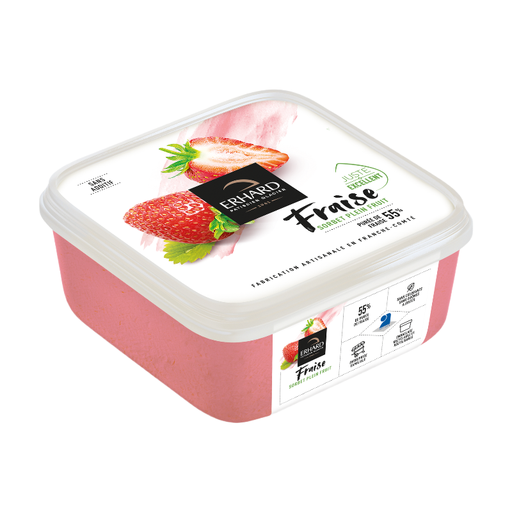 Image unavailable
A tub to consider for serving strawberry sorbet at the table. If allergen information matters to your choice, check the packaging.
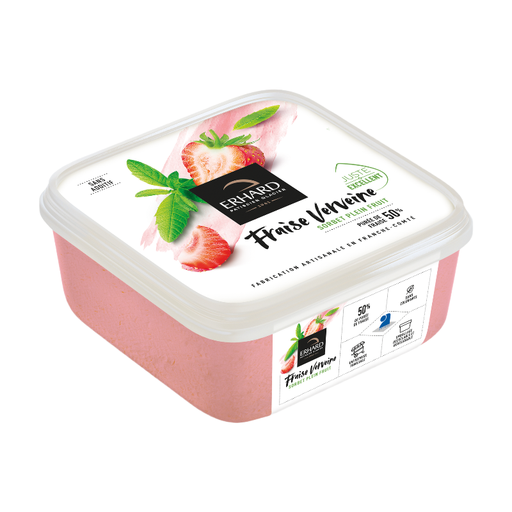 Image unavailable
This tub combines strawberry and verbena for a dessert to share. Read the ingredient list and allergen information for this variety before choosing it.
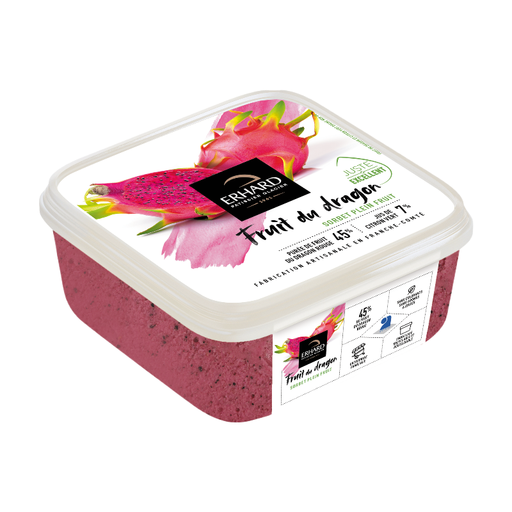 Image unavailable
A tub to consider if you’d like to serve a dragon fruit and lime flavour. Check the packaging for ingredients, allergens and serving instructions.
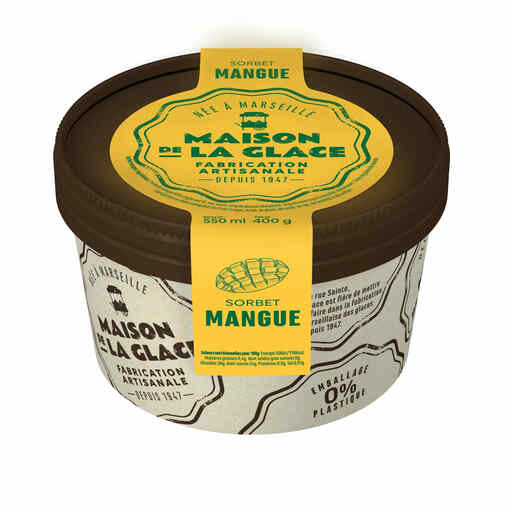 Image unavailable
A tub to consider for a mango dessert served at the table. Check the net weight on the packaging before comparing its size with other tubs, and check the allergen information too.
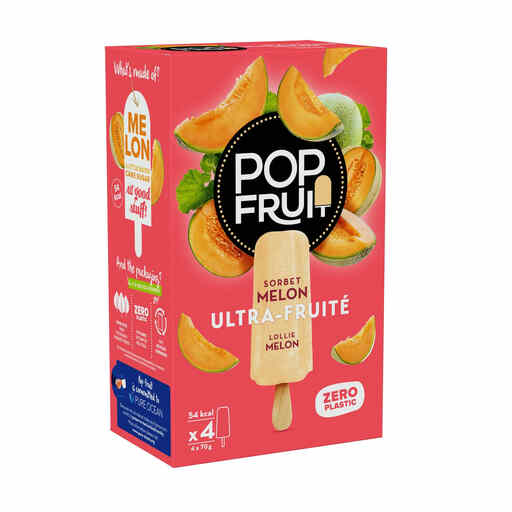 Image unavailable
The four sticks make it easy to serve individual portions without scooping from a tub. Before buying, check the packaging for storage instructions and allergen information.
The product description requires a higher minimum fruit content than a comparable fruit sorbet, but that alone isn’t enough to compare two recipes. According to the DGCCRF, the thresholds are 45% and 25% respectively for commonly used fruits; they differ for certain other fruit categories. Check the percentage shown for each product.
No. Check the ingredients and any warnings about possible traces for the product you choose. The DGCCRF states that milk must be declared if it is present in a sorbet. Picard’s product information for its Pure Sélection strawberry sorbet, for example, warns that traces of milk may be present.
Follow the temperature guidance and storage instructions on the packaging of the product you buy. Plan the journey from the shop to your freezer; the instructions on some Picard and POP'FRUIT product information pages say not to refreeze a product once it has thawed.