
Livraison le jour même ou le lendemain

Qualité garantie

Débloquez vos offres de bienvenue: Livraison GRATUITE | Jusqu'à -80 % | 30 jours d'essai gratuits à JoyPlus
Téléchargez l'application
Choosing a premium rum is about more than spotting an attractive bottle or a well-known brand. Amber rum, aged rum, spiced rum or agricole rum: production methods, origin and flavour profile can completely change the tasting experience.
To avoid disappointment, it is best to look beyond the marketing claims. A high price does not guarantee that you will enjoy the rum, and a long ageing period does not necessarily mean it will be suitable for cocktails. Here are the main criteria to consider before ordering a 70 cl bottle of rum.
An aged rum may have been matured in bourbon, cognac, sherry or port casks. Each type of cask brings its own nuances: vanilla, caramel, dried fruit, cocoa, spices or woody notes.
When it comes to a blend, the stated age should be interpreted with care. On its own, it is not enough to sum up the product’s complexity. In particular, check:
A sipping rum with subtle aromas may lose some of its appeal when mixed with cola, lime juice or syrups. Conversely, a spiced or more approachable rum will often be better suited to a Cuba libre, a Mai Tai or a punch.
When choosing a rum for cocktails, opt for a clearly aromatic expression, with an alcohol strength suited to the recipe and a price that makes sense for this use. If you intend to drink it neat, look instead for a good balance between the nose, palate and finish.
A Caribbean rum may come from Barbados, Jamaica or another country in the region, with very different styles. Venezuelan, Colombian and Cuban rums do not have one single profile that applies to every bottle either.
Origin provides a useful starting point, but it should be considered alongside the distillation method, raw material and ageing process. Agricole rum, made from fresh cane juice, differs from traditional rum produced from molasses.
Start by identifying the style that suits you:
Descriptions such as “column distilled” or “pot distilled” can also help guide your choice, although they should not replace a careful look at the flavour profile.
Most of the expressions featured here are 40% vol., although some bottles designed for mixing offer a different strength. Alcohol content affects the perceived intensity, but it is not enough on its own to judge the quality of a rum.
A rum described as round, vanilla-led or dominated by caramel is more likely to suit palates looking for a smooth tasting experience. Those who prefer a dry profile may wish to choose a less sweet or more oaky expression. Where the information is available, also check for any added sugar, flavourings or caramel colouring.
A 70 cl bottle of rum is generally suitable as a gift, for sharing at a tasting or for regular consumption. After opening, store it upright in a cool place away from light. Make sure the cap or cork is properly secured to limit evaporation.
When giving a bottle as a gift, consider the recipient’s preferences. An expression rich in vanilla or candied fruit will be approachable for a beginner, while a more oaky or drier blend may appeal more to a spirits enthusiast.
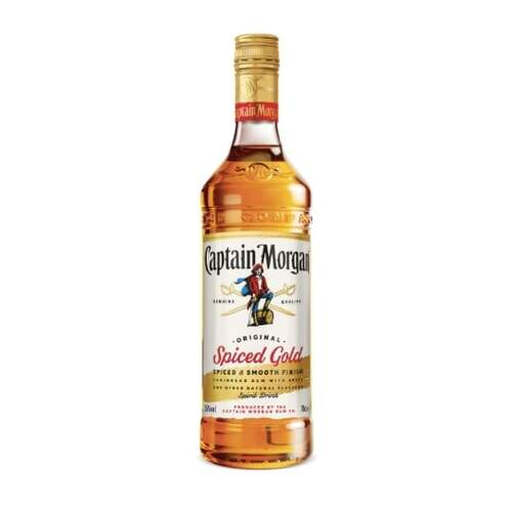
Why this choice suits this profile : Its spiced profile, led by vanilla and caramel, is ideal for a first taste or simple mixes with cola and lime.
The product information specifies the 35% vol. strength, 70 cl volume and ingredients, making it easier to compare with other spiced rums.
Stated notes of Madagascan vanilla, caramel and oak, with a profile clearly designed for cocktails.
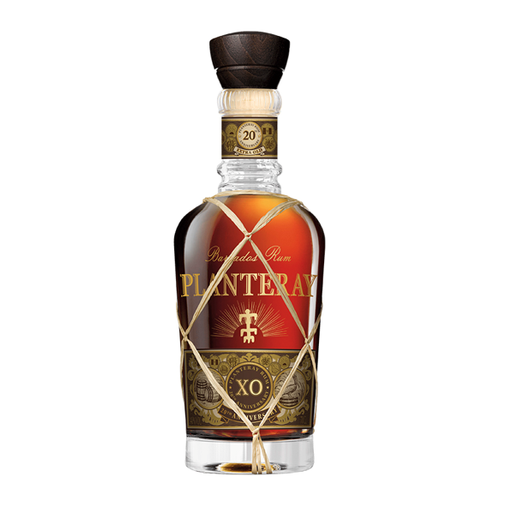
Why this choice suits this profile : This rum from Barbados is presented as a blend of rums aged for 12 to 20 years, to be enjoyed neat or over ice.
The origin, 40% vol. strength and stated double maturation are clearly indicated, so the choice is not based solely on the bottle design.
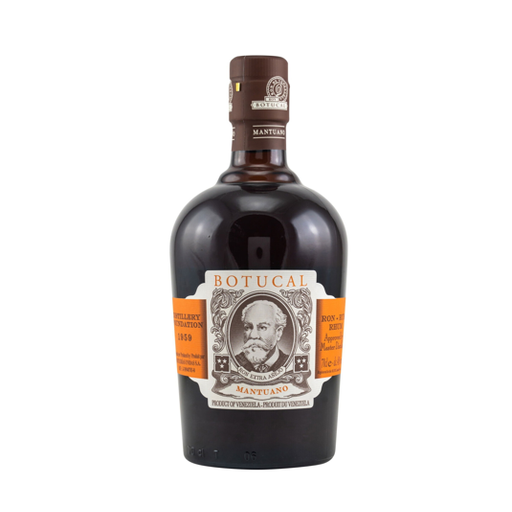
Why this choice suits this profile : Presented as drier, with maturation of up to 8 years, it is versatile enough for mixology as well as sipping.
The product information distinguishes its use in mixology, its Venezuelan origin and the ex-bourbon and ex-malt casks used for maturation.
40% vol. strength, stated low sugar content and a 70 cl format suited to regular serving.
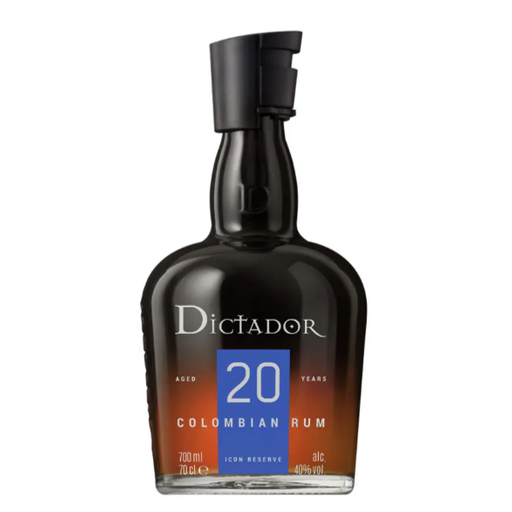
Why this choice suits this profile : Its Colombian origin, bourbon cask ageing and port cask finish make it an appealing option as a rum gift.
The product information details the colour, nose, palate, finish and cask types, providing concrete pointers to guide your purchase.
Stated notes of vanilla, smoked honey, caramel, cocoa and roasted coffee, with a finish described as long and woody.
We have put together a complete, real-time updated list of products that fully meet these strict selection criteria and European safety regulations.
A sipping rum is generally served at room temperature, in a tulip glass or spirits glass. A few drops of water can help release the aromas, although this is ultimately a matter of personal preference. Ice cubes cool the spirit quickly while softening its aromatic intensity.
In a cocktail, measure the rum accurately to preserve the balance between alcohol, acidity and sweetness. Keep the bottle upright, away from heat and direct sunlight. An opened bottle that is properly resealed will keep for a long time, although its profile may gradually evolve when there is not much liquid left.
Alcohol is intended for adults only. It should be consumed in moderation; pregnant and breastfeeding women should avoid drinking alcohol.
Choose an aged or amber rum whose product information describes the aromas, ageing process and finish in detail. Vanilla-led, oaky, fruity or cocoa-forward profiles allow you to refine your choice according to your preferences. A spiced rum can also be enjoyed on its own, but will generally be more expressive.
Agricole rum is made from fresh cane juice, while traditional rum is generally produced from molasses. This difference in raw material can influence the nose and palate, but ageing, distillation and blending also play a decisive role.
Yes, it is a common size that is easy to give and share. To find a good rum gift idea, check the origin, alcohol strength, tasting style and presentation. A rum from Barbados, Fiji, Colombia or Venezuela can provide an interesting geographical reference, provided its flavour profile matches the recipient’s tastes.