Fans of thin crust
You’re looking for a thin, crispy pizza rather than a thick-crust one. Also check the cooking instructions for the product you choose: the style on the label alone doesn’t tell you how it will turn out in your oven.


For your first food shop, choose a frozen pizza to suit the meal you have planned: a thin crust, a recipe that highlights how it is made, or a topping with clearly listed ingredients. The word ‘premium’ is no substitute for checking the exact recipe, weight, allergens and cooking instructions. No one style will suit everyone.
You’re looking for a thin, crispy pizza rather than a thick-crust one. Also check the cooking instructions for the product you choose: the style on the label alone doesn’t tell you how it will turn out in your oven.
If you’re having dinner with others, compare the net weight with the number of people you’re serving and check what’s in the topping. Don’t rely on the packaging alone.
You want to be able to check the packaging of the pizza you buy for cereals containing gluten, dairy products and any ‘may contain’ warnings.
First decide what sort of meal and crust you’re looking for, then compare the products by their ingredients, size and cooking instructions.
| What to consider | What to check | Who is it for? |
|---|---|---|
| Crust and cooking | The style of crust described and the cooking instructions for your oven. | I prefer a thin, crispy crust to a thicker one; around 33% of consumers would prioritise this texture. |
| Topping | The ingredients and, where stated, the amount of topping in the exact product. | For a meal to share, I want to know what’s on the pizza before choosing its size; nearly 25% of consumers would prioritise the topping. |
| Ingredients and allergens | The ingredients list, allergens, ‘may contain’ warnings and nutritional values per 100 g. | If I need to avoid certain ingredients, checking for them matters more than the crust style; around 25% of consumers would make this their priority. |
| Size | The net weight and how much space it will take up in your freezer. | I’m looking for a size that suits the meal I have planned, rather than automatically choosing a large one; around 17% of consumers would prioritise size. |
Claims about fermentation or stone baking describe a specific product; they don’t mean it will suit everyone better.
Compare the ingredients, weight, nutritional information and cooking instructions of the pizzas you’re considering.
A vegetable or cheese pizza may contain other ingredients or have ‘may contain’ warnings you need to consider.
If you have an allergy or need to avoid an ingredient completely, read the ingredients list and warnings on the packaging of the product you actually buy.
According to ANSES and the French Ministry of Agriculture, refreezing defrosted food carries a risk of bacterial growth.
Pick up frozen food at the end of your shop, carry it in an insulated bag, put it in the freezer as soon as you get home, and never refreeze a defrosted pizza.
The Ristorante range includes a thin-crust option, while the Suprema cinque formaggi features a different type of dough.
The 4 Stagioni pizza is worth exploring if you’d like to look at a recipe with a detailed description of its topping.
The Numero Uno range may appeal if you’re looking for a pizza with details about how the dough is prepared and cooked.
These products offer different sizes and styles to compare, depending on the meal you have in mind.
Piccolinis are mini pizzas to consider if you’re planning to serve several small portions.
These pizzas give you a chance to compare a range of recipes and sizes for your first food shop: Margherita, cheese, chicken kebab or Rustic. Start by choosing a style to suit your meal, then check the packaging before cooking.
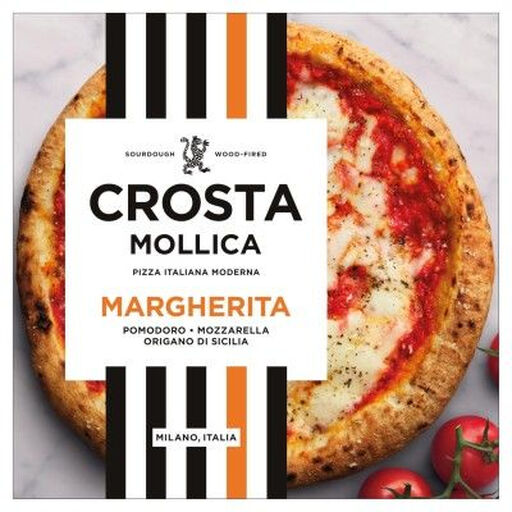 Image unavailable
Worth considering if you’d like to serve a Margherita and compare its size with other recipes. Net weight: 403 g. Check the ingredients and cooking instructions on the packaging.
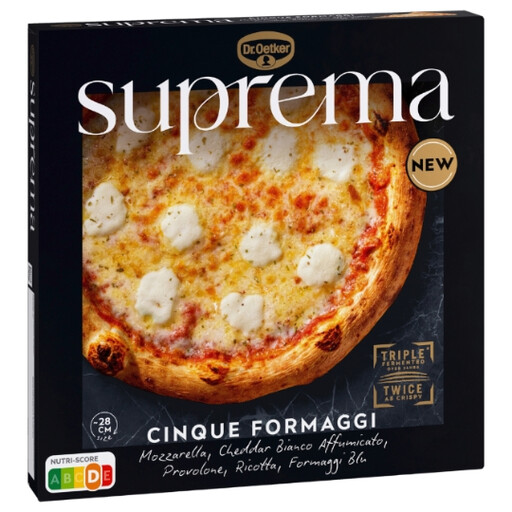 Image unavailable
If you’re after a five-cheese recipe, consider this Suprema and check the ingredients against the needs of everyone you’re serving. Net weight: 424 g. According to the Auchan product description, this pizza’s dough is triple-fermented and stone-baked. Follow the pack instructions when cooking it at home.
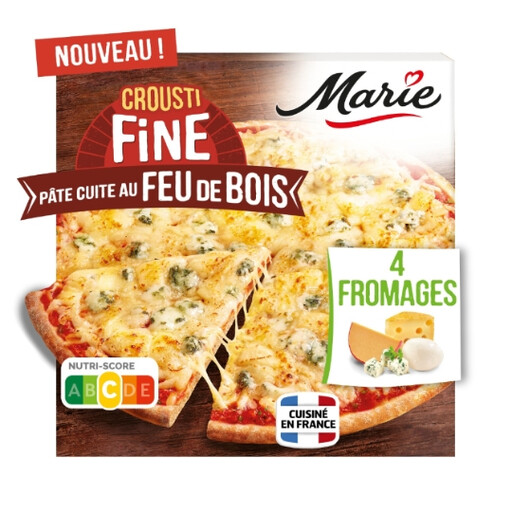 Image unavailable
Consider this pizza if you’re looking for a four-cheese recipe with a thin crust. Its name indicates that it’s wood-fired; net weight: 390 g. Check the packaging for allergen information and cooking instructions.
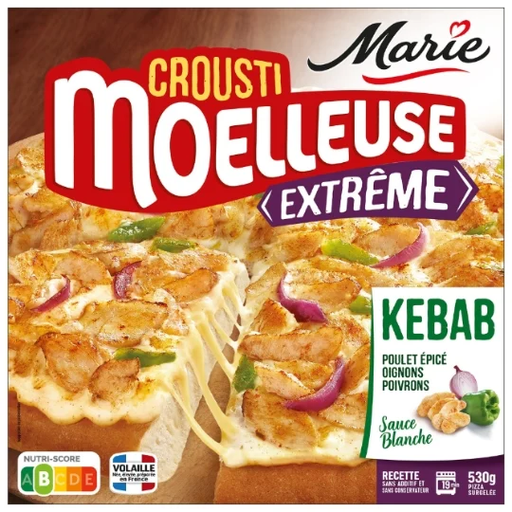 Image unavailable
If you’re thinking of a chicken kebab-style pizza, compare its recipe and weight with the meal you have planned. Net weight: 530 g. Check the ingredients list and cooking instructions on the packaging.
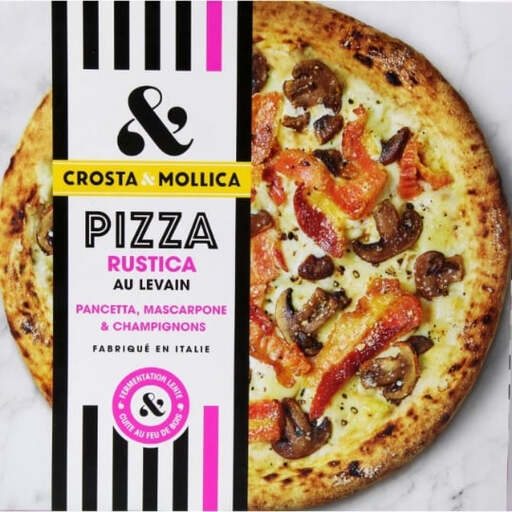 Image unavailable
This pizza is one to compare with other recipes and sizes for the meal you have planned. Net weight: 444 g. Read the ingredients and cooking instructions for the product you buy.
Compare the details of each recipe: the crust, ingredients, net weight, topping where specified, and cooking instructions. A label such as ‘premium’ doesn’t tell you on its own whether the pizza will suit the meal you have planned.
Yes. Check the allergens even if the recipe name sounds straightforward. Ingredients and ‘may contain’ warnings vary between products, so check the packaging of the one you buy before serving it.
No. Follow the instructions for the pizza you’ve bought, rather than those for a different product. In particular, check the preheating instructions, where to place it in the oven and the cooking time on the packaging.
Don’t refreeze a defrosted pizza. ANSES recommends not refreezing defrosted food. To reduce the risk while you’re shopping, pick up frozen food last, carry it in an insulated bag and put it in the freezer as soon as you get home.