Anyone putting together a quick lunch
You’re looking for a convenient lunchtime pizza, with the option to add a salad or vegetables and choose how much you serve. Manger Bouger, for example, suggests pairing pizza with salad.


When choosing a frozen pizza for a convenient lunch, don’t treat the word “premium” as a nutritional measure. Compare the information per 100 g, then work out what it means for the amount you plan to eat. If you’d like to include more vegetables in your meal, check the toppings and consider adding a side, while keeping an eye on salt, saturated fat and allergens.
You’re looking for a convenient lunchtime pizza, with the option to add a salad or vegetables and choose how much you serve. Manger Bouger, for example, suggests pairing pizza with salad.
You want to compare salt and saturated fat, particularly in cheese or charcuterie recipes. Anses lists pizza among the foods that contribute to salt intake.
You enjoy a particular topping or cooking method, but don’t assume either determines the nutritional content. The information per 100 g lets you compare recipes of different weights; you’ll still need to consider the portion you plan to eat.
Start with how much you’ll eat and the nutritional information, then check the ingredients and any preparation requirements. A vegetable-topped recipe, an individual pizza and a charcuterie pizza may suit different tastes, but none of these descriptions is a substitute for reading the label.
| What to compare | What to check | Who it matters to |
|---|---|---|
| Salt and saturated fat | Compare the values per 100 g, then check those for the amount you’ll eat. | If cheese or charcuterie is part of my choice, I want to know what’s in the pizza, not just what the topping is called. Around 36% of consumers would put this nutritional comparison first. |
| Portion and what else is in the meal | Check the net weight and the number of portions shown; decide whether you’d like to add vegetables. | For lunch, I’d rather know how much pizza I’m going to serve and how much room to leave for a side. Portion size would be the top priority for around 29% of consumers. |
| Ingredients and allergens | Read the ingredients list, check the allergens highlighted and look at the type of topping. | If a recipe needs to fit my dietary requirements or preferences, its name isn’t enough. Around 21% of consumers would prioritise ingredients and allergens. |
| Cooking and storage | Check what appliance you need, the cooking instructions and the stated storage temperature. | If I only have a microwave or little time at lunchtime, I need to be able to prepare the pizza with the equipment I have. Ease of preparation would be a priority for around 14% of consumers. |
Stone-baking or generous toppings may help you choose a flavour you’ll enjoy, but they don’t tell you how much salt or saturated fat the pizza contains, or how much you’ll eat.
Compare the nutritional information per 100 g and read the ingredients list before you choose.
Two pizzas with nutritional values listed per 100 g won’t necessarily amount to the same lunch. The portion shown on the packaging may also differ from the amount you serve.
Start with the weight you plan to eat when interpreting the nutritional values.
The presence of vegetables alone doesn’t tell you how much the pizza contains, or how much salt or saturated fat it has.
Check the toppings and the label. If you like, round out your lunch with a salad or vegetables.
Preparation methods vary from one pizza to another. A recipe that needs an oven won’t meet the same needs as one designed for the microwave.
Before buying, check the packaging for allergens, the appliance required, and the storage and cooking instructions for your chosen product.
These examples can help you identify formats and recipes to compare; their features don’t apply to every pizza from the same brand.
The range includes a Royale Pizza described as stone-baked.
The E.Leclerc range includes several frozen pizza recipes and formats, including grilled vegetable pizzas and cheese recipes.
The products reviewed include a 200 g individual 4 Cheese pizza and a 390 g chorizo pizza described as serving two.
These pizzas let you compare recipes with vegetables, cheese or meat, as well as different weights. For each one, use the packaging information to work out what it means for the amount you plan to serve.
 Image unavailable
Worth considering if you’re looking for a recipe called “Vegetable” for lunch; check the toppings and allergens on the packaging.
385 g pizza. Decide how much you plan to eat before interpreting the nutritional information.
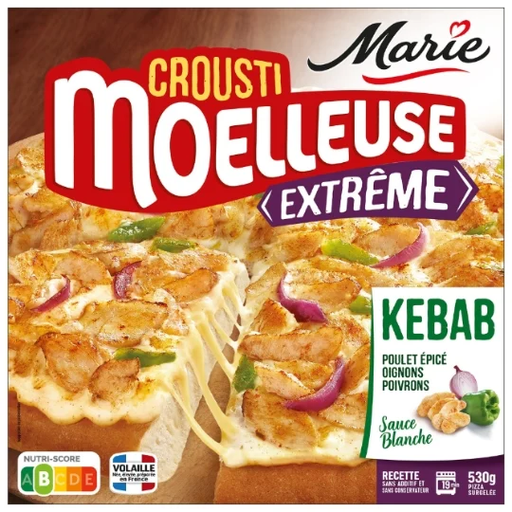 Image unavailable
Worth a look if you’re after a chicken pizza for lunch; take the amount you’ll serve into account when comparing its ingredients.
530 g pizza. Check the packaging for portions, allergens and cooking instructions.
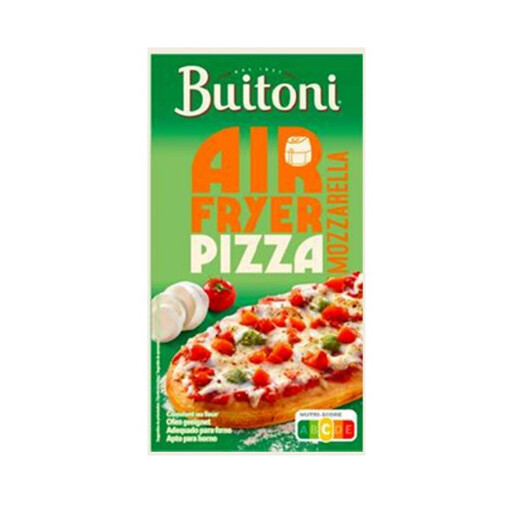 Image unavailable
Worth considering if the format and the preparation method indicated by “Air Fryer” suit your equipment; follow the instructions on the packaging.
195 g pizza, named Pesto Mozzarella. If your choice depends on the exact ingredients, check the ingredients list and allergens.
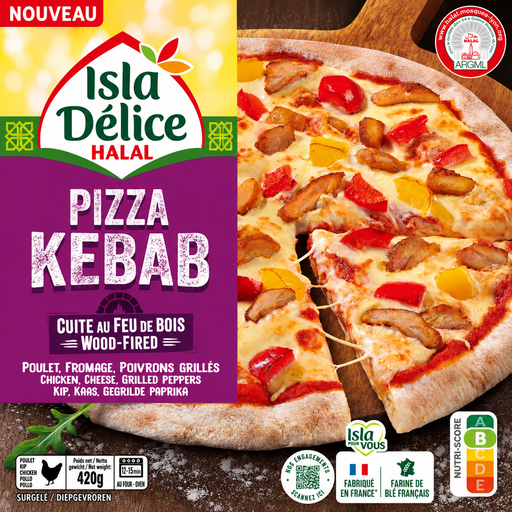 Image unavailable
Worth a look if you’re after a Kebab & Peppers recipe; the mention of peppers alone doesn’t tell you whether the meal as a whole is right for you.
440 g pizza. Check the portion you have in mind, the ingredients list and the cooking instructions.
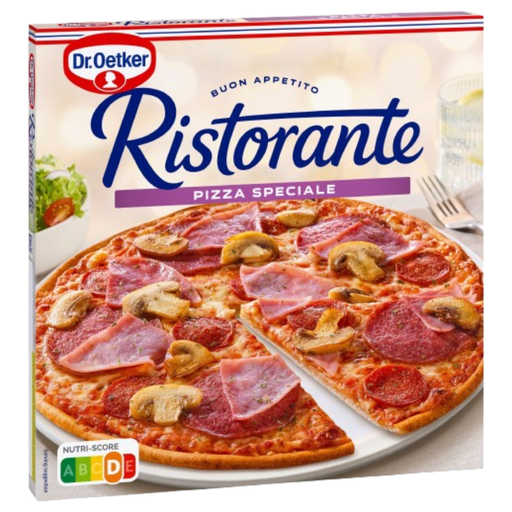 Image unavailable
Worth comparing if you’re looking for a ham and salami pizza; pay particular attention to the salt and saturated fat for the amount you’ll serve.
345 g pizza. Check the packaging for allergens, portions and cooking instructions.
No. The word “premium”, stone-baking or generous toppings don’t, on their own, tell you how much salt or saturated fat a pizza contains. Compare the information per 100 g and the amount you plan to eat.
First, use the values per 100 g as a common basis, then take account of each pizza’s weight and the portion you’ll eat. The number of portions shown on the packaging gives you an idea of the format, but doesn’t determine your own serving size.
You could add a salad or vegetables if you’d like them to make up more of your meal. Manger Bouger, for example, suggests serving a tuna pizza with salad. You can also choose how much pizza to serve based on the meal you’re putting together.
Before choosing, check the ingredients, highlighted allergens and any “may contain traces” statements on the packaging for that specific product. Don’t assume you know what’s in it from the recipe name alone.
No, preparation instructions depend on the product. Check the packaging for the appliance required, temperature, cooking time and storage instructions. Don’t assume a pizza designed for the oven is suitable for the microwave.