Anyone keeping track of the protein in their meal
If you want to know how much protein your pizza provides, start with the grams of protein per 100 g on the label and the weight of the portion you’ll actually eat.


If you’re choosing a frozen pizza for a meal where protein matters, compare the amount in the serving you’ll actually eat, then check the salt. A recipe described as “premium” doesn’t guarantee any particular nutritional profile. Auchan product listings show 43 g of protein for the 424 g Dr. Oetker Suprema Cinque Formaggi and 34 g for a 330 g Dr. Oetker Ristorante Speciale. The latter also contains 4.7 g of salt per pizza, which you can compare with the 5 g daily guideline for adults given by Manger Bouger.
If you want to know how much protein your pizza provides, start with the grams of protein per 100 g on the label and the weight of the portion you’ll actually eat.
A carefully made dough, stone-baking or a cheese topping can influence your choice of pizza. Compare the nutritional values separately: these features alone don’t determine its protein content.
For an individual pizza or mini pizzas, portion weight, cooking instructions and allergens matter just as much as the format shown on the pack.
Start with the protein in the portion you’ll eat. Then check the salt, followed by the dough, topping and format features that matter for your meal.
| Criteria | What to check | Who it’s for |
|---|---|---|
| Protein in your portion | Compare the protein per 100 g, then work out the amount for the portion you’ll eat. | If I’m eating half a pizza, I want to know the protein in that half rather than the whole pack; around 36% of consumers prioritise this measurable amount. |
| Salt in your meal | Check the salt per 100 g and calculate the amount for the portion you plan to eat. | I’m looking for protein, but I also want to account for the salt in the pizza and the rest of my meal; around 29% of consumers prioritise keeping this trade-off in check. |
| Recipe and texture | Check the type of dough, the cooking method and the ingredients list for the exact product. | When I choose a pizza for its dough or topping, I want to know exactly what the recipe offers; around 21% of consumers put these culinary features first. |
| Portion and convenience | Check the net weight, number of pieces and instructions for the cooking appliance you have. | If I want an easy-to-share amount or need to prepare a meal using the appliance I have, format comes first for around 14% of consumers. |
You can’t compare a cheese or meat pizza with another without taking its ingredients and the amount you eat into account. For example, Auchan product listings give the protein per whole pizza for two Dr. Oetker recipes with different weights.
Compare products on the same basis using the values per 100 g, then calculate the amount in your portion.
Manger Bouger gives a daily guideline of 5 g of salt for an adult. The Auchan listing for the Suprema Cinque Formaggi gives 1.3 g per 100 g, or around 5.5 g for the whole 424 g pizza; the Ristorante Speciale listing gives 4.7 g per 330 g pizza.
Check the salt in the portion you serve and take account of the other foods in your meal.
A dough described as triple-fermented, stone-baking or a particular topping tells you about the recipe; it doesn’t determine its protein or salt content.
Choose these features for what they bring to your dining preferences, then check the nutritional information and ingredients.
These brands offer a range of recipes and formats to compare. Their inclusion here doesn’t mean all their pizzas have the same protein content.
The Suprema and Ristorante ranges include recipes with per-pizza nutritional values listed on Auchan product pages.
Carrefour lists, among other products, 195 g individual Air Fryer pizzas and Piccolinis mini pizzas.
According to its product listing, the Carrefour Sensation range includes a 590 g frozen 3 Meats pizza.
The Auchan frozen pizza range includes a variety of recipes, with products from its own brand and other brands.
The E.Leclerc range includes Turini pizzas in a variety of styles and formats, including a pinsa.
For a Lidl frozen pizza, start with the recipe and packaging of the product you plan to buy.
This selection includes pizzas topped with meat or cheese, mini pizzas and sharing-size options. Compare the weight with the portion you have in mind, then check the nutritional information for each product before choosing based on your protein goals.
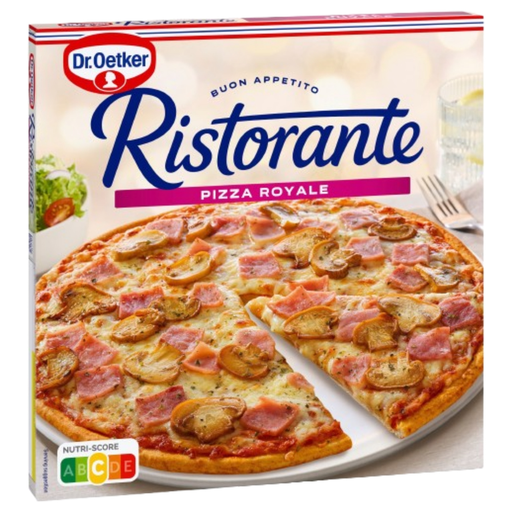 Image unavailable
If you’re planning to eat the whole pizza, calculate the protein and salt using the per-100 g values on the packaging. Check the allergens and cooking instructions too.
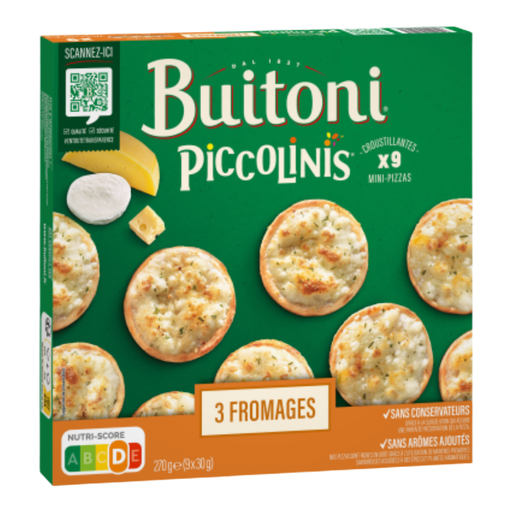 Image unavailable
This format lets you serve part of the pack. Each mini pizza weighs 30 g; use the nutritional values to work out the amount for the number of pieces you eat, and check the cooking instructions on the packaging.
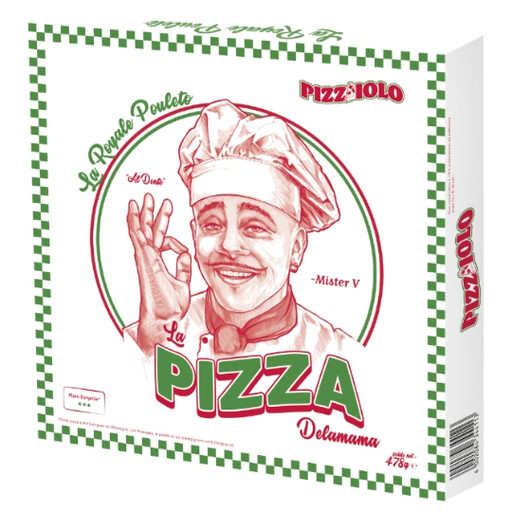 Image unavailable
If you’re sharing this pizza, use the weight of each slice to calculate the protein and salt you’ll consume. Check the packaging for allergens and cooking settings.
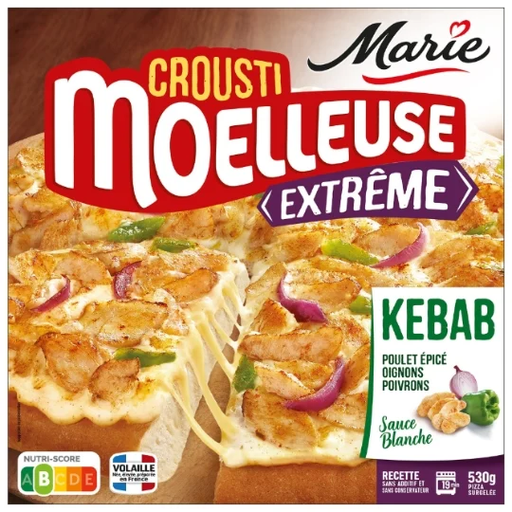 Image unavailable
If you’re sharing this pizza, calculate the nutritional values for the portion served rather than for the whole 530 g product. Check the packaging for allergens and cooking instructions.
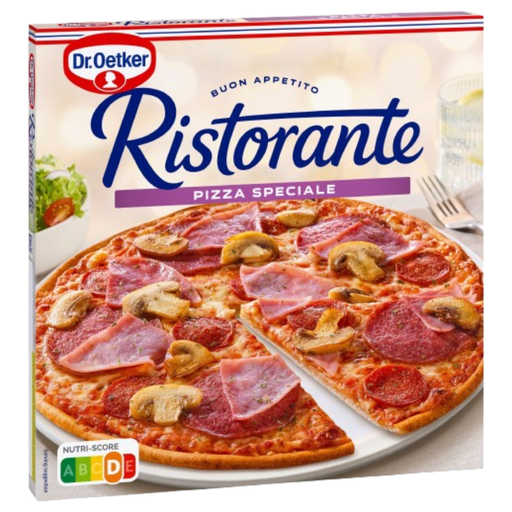 Image unavailable
To compare this ham and salami recipe with other pizzas, start with the per-100 g values and adjust them to your portion. Also check the salt, allergens and cooking instructions.
First compare the grams of protein per 100 g, then calculate the amount in the portion you’ll eat. The figures for a whole pizza and a half pizza don’t describe the same serving, and the topping alone isn’t enough to compare them.
Yes. The Auchan listing for the Dr. Oetker Ristorante Speciale gives 34 g of protein and 4.7 g of salt per 330 g pizza. Manger Bouger gives a daily guideline of 5 g of salt for an adult, so check the portion you eat and the salt in the other foods in your meal.
No. To find out how much protein is in your portion, check the protein amount in the nutritional information and the weight you eat. Santé publique France describes Nutri-Score as a logo applied voluntarily; it doesn’t replace checking the detailed values, particularly the salt.
Follow the instructions on the packaging for the product you’ve bought, including the appliance, temperature and cooking time. Don’t automatically apply instructions for an oven pizza to a different format or to air-frying.
Check the ingredients list and allergen information on the packaging of the pizza you’re buying. Make sure you check the exact product, even if you’re already familiar with another recipe in the same range.