Households planning several meals
You’re looking for dishes to share when entertaining or planning several meals. Auchan, for example, lists a 900 g dish that serves three; check that the stated number of portions works for your meals.


For several meals to share, first choose a frozen dish whose weight and number of portions suit the people you’re planning to serve, then check how much space you have in your freezer. Individual portions are a better choice if tastes or mealtimes differ. Either way, compare the price per kilogram and check the ingredients, allergens and storage instructions before buying in bulk.
You’re looking for dishes to share when entertaining or planning several meals. Auchan, for example, lists a 900 g dish that serves three; check that the stated number of portions works for your meals.
You’d rather stock a range of dishes than serve everyone the same recipe. Picard and Carrefour have options in sharing and individual formats, which you can compare by weight and specific recipe.
Before buying several packs, you want to read the ingredients, check for allergens and compare the nutritional information. The DGCCRF reminds shoppers that allergens must be highlighted in the ingredients list on prepacked foods.
When stocking up on frozen ready meals, start with the main reason for your purchase: serving several portions, adding variety to your meals, checking the ingredients or planning how to store everything.
Worth considering: for a planned meal with several people, if the stated number of portions and the weight suit your guests.
Bear in mind: choosing just one recipe gives you less flexibility if people have different dietary preferences.
Worth considering: if you want to serve different recipes or people are eating at different times.
Bear in mind: putting together several meals may mean buying more trays and different products.
| Criterion | What to check | Who this matters to |
|---|---|---|
| Format and portions | Compare the net weight, the stated number of portions and how much you’ll need for each meal. | If I’m planning several meals to share, I want to know how many people each dish will serve. Around 33% of consumers would put portion size at the top of their list. |
| Recipe and variety | Check the specific recipe, its format and the price per kilogram, rather than relying on the word “premium”. | When tastes or mealtimes differ, I prefer to have a choice of dishes. Variety would be the priority for around 27% of consumers. |
| Ingredients | Read the ingredients and allergen information; compare the nutritional values per 100 g, especially the salt content. | Before stocking up on the same recipe, I want to check whether its ingredients suit the people who’ll be eating it. Around 20% of consumers would make their choice based first on the ingredients. |
| Storage | Make room in your freezer and follow the temperature and storage instructions on each pack. | If I’m bringing home several dishes at once, I need to be able to transport and put them away quickly. Around 20% of consumers would prioritise this over choosing a recipe. |
An individual tray and a dish to share won’t weigh the same or necessarily contain the same number of portions. So the price shown for each pack isn’t enough to compare them.
Compare the price per kilogram, then check the stated number of portions and how much you’ll actually use.
This claim is no substitute for checking the ingredients or nutritional information. The Anses lists ready meals among the sources of salt in the diet.
For each recipe, check the highlighted allergens and compare the nutritional values per 100 g before buying several packs.
Buying in bulk means more products to keep cold and put away in the freezer. The DGCCRF highlights the importance of maintaining the cold chain.
Check you have enough space, head straight home and follow the storage instructions on the packaging.
Picard’s range of dishes to share includes recipes such as lasagne, moussaka and paella, with formats ranging from 800 g to 1 kg.
Auchan’s family-size range includes a 900 g dish that serves three, alongside other frozen ready meals.
Carrefour’s range of individual meals includes products weighing 300 to 350 g, some of which also display a price per kilogram.
These products are best suited to adding variety to your freezer stock, with filled buns, soup and frozen wontons. If you’re buying in bulk, compare the weight of each pack with the number of portions you need. These products aren’t a substitute for family-size dishes that are stated to serve several people.
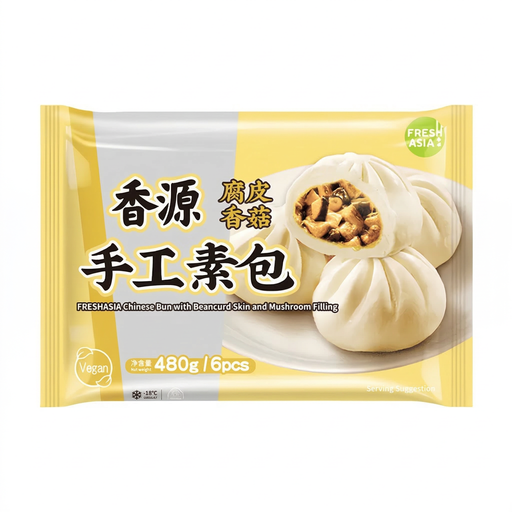 Image unavailable
A recipe to consider if you’d like to add variety to your frozen food stock.
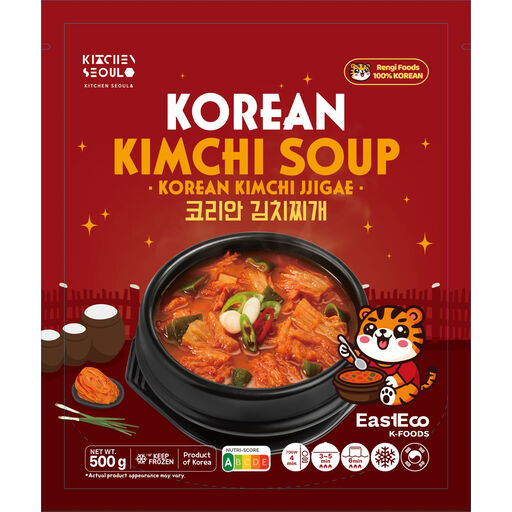 Image unavailable
A kimchi soup to consider if you’d like to add variety to the recipes in your freezer.
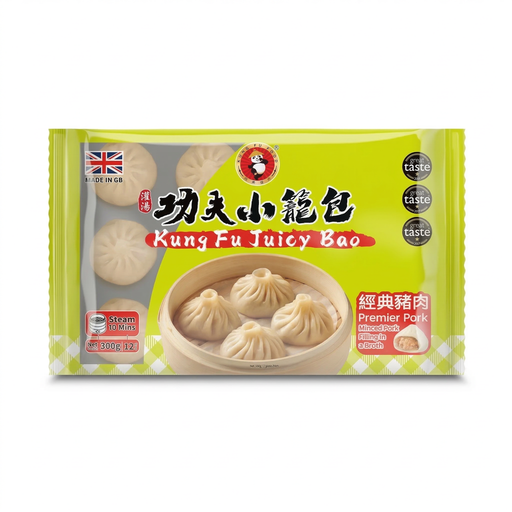 Image unavailable
A format to consider if you’re looking for a pork recipe rather than a large dish to share.
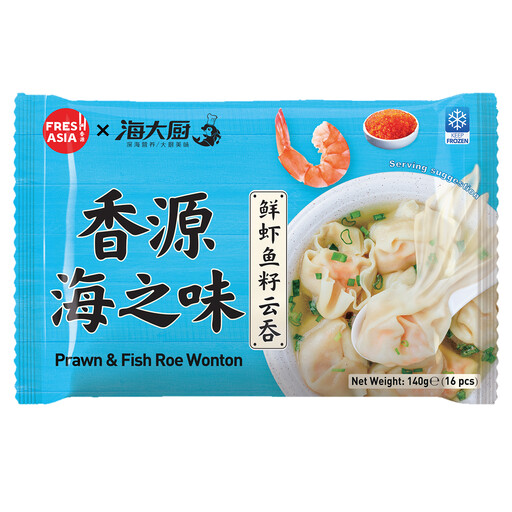 Image unavailable
Prawn and fish roe wontons to consider for adding variety to your recipes, rather than serving several people straight away.
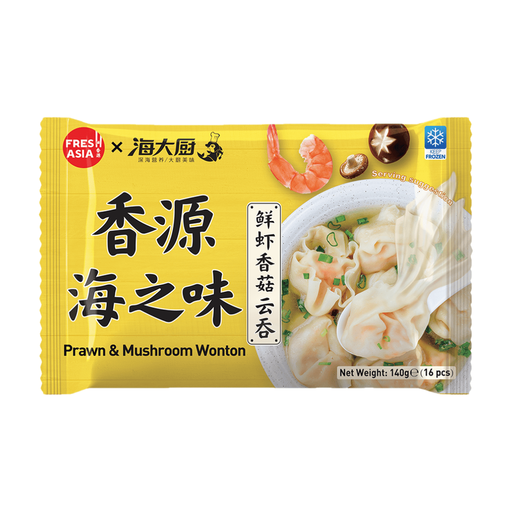 Image unavailable
Prawn and mushroom wontons to compare with other smaller portions if you’d like to add variety to your freezer stock.
Check the name of the dish, its ingredients, allergen information, net quantity, date marking and storage instructions. The DGCCRF particularly reminds shoppers that allergens must be highlighted in the ingredients list on prepacked foods.
First compare the nutritional values per 100 g, then consider the portion you actually plan to serve. The DGCCRF explains that presenting values per 100 g gives you a consistent basis for comparing products. You can look at salt, fat and sugars in particular.
Frozen meals need to stay cold during transport, then be put away promptly according to the instructions on their packaging. The DGCCRF points out that a rise in temperature can encourage microbial growth, so check you have enough space in your freezer before setting off.
Check the date marking on each pack rather than assuming it’s the same for every dish. The DGCCRF distinguishes between a use-by date (DLC), which must be observed for the foods concerned, and a best-before date (DDM). In either case, follow the storage instructions provided.