People hosting a sit-down meal
A dessert to share makes serving everyone easier, but check that the stated number of portions matches the number of guests.


For a single dessert to share around the table, choose a cake, tart or frozen dessert with enough portions for everyone. If tastes differ, individual portions offer more choice, as long as you have enough to go round. The word ‘premium’ is no substitute for checking the ingredients, allergens and storage instructions for the product you choose.
A dessert to share makes serving everyone easier, but check that the stated number of portions matches the number of guests.
Small portions or an assortment let you offer a choice of flavours without everyone having to have the same dessert.
Before serving, check the ingredients, highlighted allergens, nutritional information and storage instructions for the product you choose.
Picard and Auchan offer desserts to share, frozen desserts and individual portions. Start by deciding how you want to serve dessert, then check the quantities and product-specific information.
Choose this if: you’d like to serve one dessert for everyone to cut at the table.
Bear in mind: there’s only one flavour, and portion sizes depend on how you cut it.
Choose this if: you can keep it frozen and follow the serving instructions.
Bear in mind: you’ll need to plan for transport, freezer space and when to take it out before serving.
Choose this if: guests prefer different flavours or a dessert that doesn’t need cutting.
Bear in mind: how many pieces you’ll need to give everyone a suitable portion.
| What to check | Look for | Who is it for? |
|---|---|---|
| Quantity and serving | Compare the stated portions or number of pieces with the number of guests, then check the net weight. | I want to serve everyone without counting a petit four as a full portion. Around 31% of consumers would prioritise having enough to go round and a format that’s easy to serve. |
| Choice of flavours | Check which flavours are included and how many pieces there are of each. | If guests have different preferences, I’d like to offer a choice without cutting up several cakes. Variety would be the top priority for around 25% of consumers. |
| Ingredients and allergens | Read the ingredients and allergen information on the exact product packaging; compare nutritional information on the same basis. | Before serving, I need to know whether the recipe suits my guests’ dietary requirements. Around 25% of consumers would put this check first. |
| Storage and planning | Check the storage instructions, freezer space and any preparation or serving guidance. | I need to be able to transport the dessert, keep it frozen and take it out at the right time for dinner. This would be the main consideration for around 19% of consumers. |
A box of small treats might be ideal for sampling, but may not provide a full portion for every guest.
Decide how you want to serve dessert before you buy, then compare the number of portions or pieces with the net weight.
A name that mentions fruit or chocolate won’t tell you everything that’s in the product. The DGCCRF reminds consumers that allergenic ingredients must be highlighted on the label.
Read the ingredients on the exact product packaging, even if you’ve bought the same product before.
According to the DGCCRF, a rise in temperature speeds up microbial growth and can make food unsafe.
Plan your journey and freezer space, then follow the storage and serving instructions on the packaging.
The word alone doesn’t tell you how many people it will serve or whether the recipe is suitable for your guests.
Compare specific desserts by format, ingredients, allergens and storage instructions.
The retailer offers pastries, gateaux and frozen desserts, in formats to share or as smaller portions.
Its frozen patisserie range includes individual portions and desserts stated to serve several people.
The retailer’s French website has a ‘Ice Cream and Frozen Desserts’ category in its frozen food range.
The French frozen food section includes an ‘Ice Cream’ category.
These products are suited to individual servings: three are frozen desserts, while the ABC JELLY bars need to be frozen before eating. For a family dinner, compare the number of units with the number of guests before choosing.
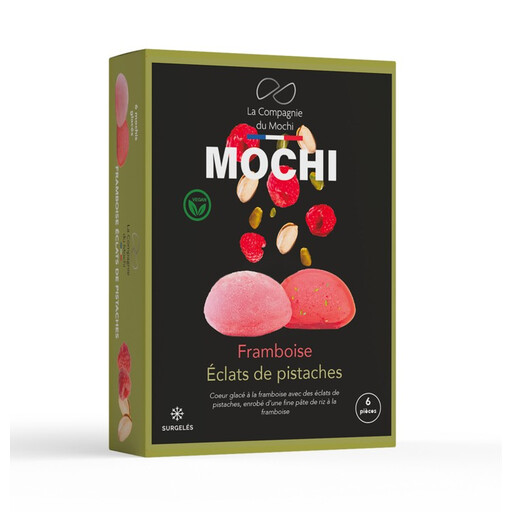 Image unavailable
A good format to consider if you’d like to serve individual pieces rather than a cake to cut. Compare the six pieces with the number of guests and check the serving instructions on the packaging.
Contains soya and pistachio; may contain traces of gluten, milk, peanuts and sesame. Check the exact product packaging before serving.
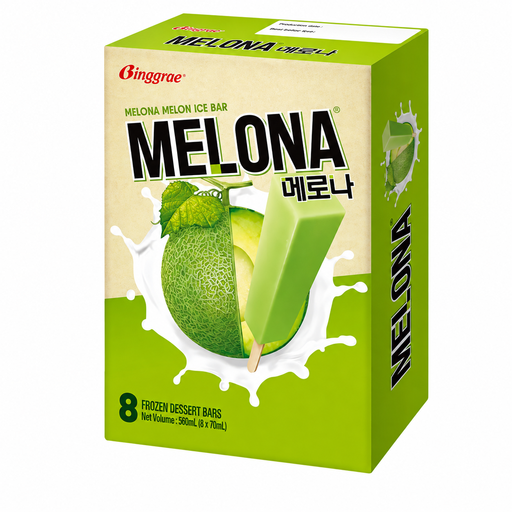 Image unavailable
The eight ice lollies are easy to serve individually without cutting, as long as there are enough for everyone. They’re all the same flavour: melon.
Contains milk and E102 colour. The product listing notes that this colour may have an adverse effect on children’s activity and attention; check the information on the packaging.
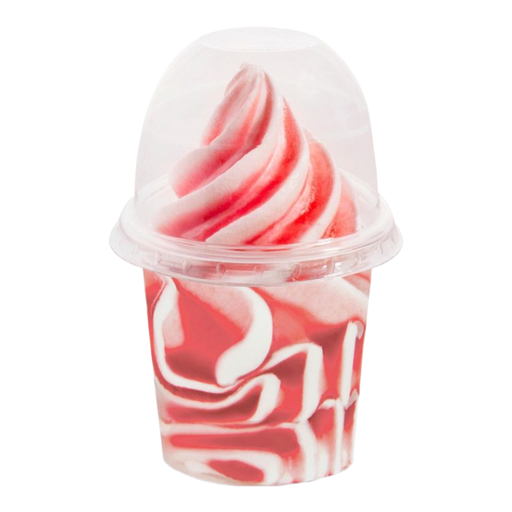 Image unavailable
This vanilla and strawberry ice cream is a convenient individual dessert. Check how many cups are in the pack so you can allow one per person.
Contains milk; check the exact product packaging if any of your guests have dietary requirements.
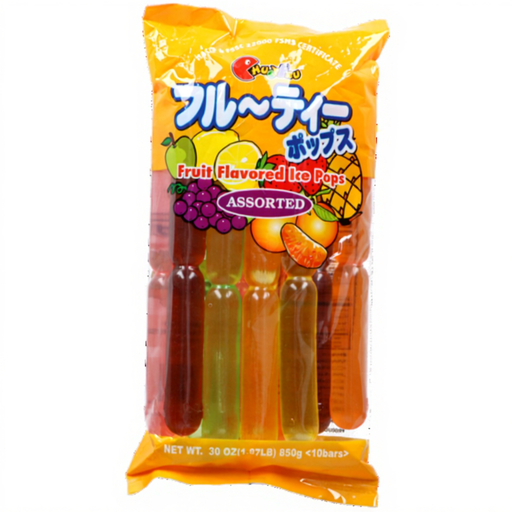 Image unavailable
The assorted flavours are a good choice if you’d like to offer a selection. These bars need to be frozen before eating, so make sure you allow time to do this before dinner.
Check the net weight on the packaging to work out how much to serve.
Compare the stated portions or number of pieces with the number of guests and how you plan to serve dessert. Picard and Auchan offer a range of formats, but a small tasting piece doesn’t necessarily count as a full portion. Net weight can help you compare products of the same type.
No. Read the ingredients for the exact product. The DGCCRF states that allergenic ingredients must be highlighted on the labels of pre-packed foods, so check the packaging before serving, even if you’ve bought the product before.
Compare desserts of the same type using the same basis shown on the packaging. The DGCCRF highlights energy, fat, sugars, protein and salt as some of the information included in a nutrition declaration. These figures don’t replace checking the ingredients and portion size.
Keep it cold while transporting it, return it to the freezer promptly and follow the packaging instructions for storage and serving. The DGCCRF advises that a rise in temperature speeds up microbial growth and can make food unsafe.