
Livraison le jour même ou le lendemain

Qualité garantie

Débloquez vos offres de bienvenue: Livraison GRATUITE | Jusqu'à -80 % | 30 jours d'essai gratuits à JoyPlus
Téléchargez l'application
Whether you're a passionate woodworker, a weekend mechanic, or a home barista, the quality of your work depends directly on the precision of your equipment. The problem? The market is flooded with products making enticing marketing promises that too often hide serious design flaws. Knowing how to spot a reliable precision tool for DIYers is therefore crucial to avoid bad investments and achieve results that live up to your ambitions.
This guide breaks down the most common pitfalls and gives you all the keys to choosing tools perfectly suited to your projects, whether for your workshop or your coffee station.
Before you pull out your credit card, beware of these three pitfalls that too often turn a good deal into a costly disappointment.
To be sure of your future tool's performance and longevity, focus on these three non-negotiable criteria.
The material is the number one indicator of quality. Different uses have different requirements:
Precision isn't declared, it's measured. Avoid simple printed markings that rub off with the slightest friction. Demand laser-engraved markings or those machined directly into the body: only these guarantee perfect legibility over time. For adjustable tools, check that the adjustment range is clearly indicated in millimetres (e.g., "for filters from 63 to 103?mm") and that the tightening mechanism is firm and has no play whatsoever.
A good tool should be an extension of your hand. A non-slip handle, balanced weight, and thoughtful design are not luxuries. They are what allow you to work longer, more safely, and achieve a cleaner result, whether for a major DIY project or a simple maintenance task.
To illustrate these criteria in practice, here are a few products that meet specific needs while avoiding the traps we've discussed.
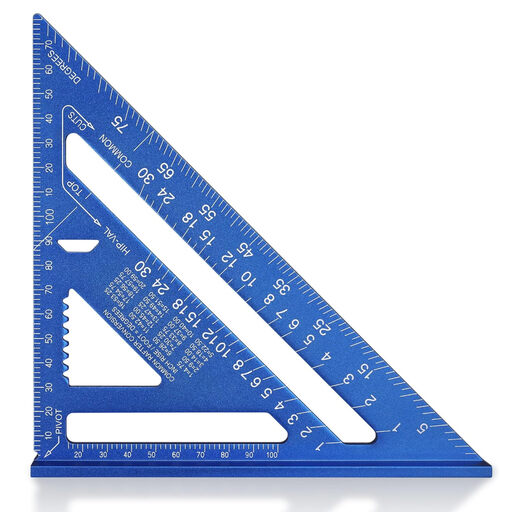
Why it's a match: Perfect for the wood enthusiast who demands flawless angles and clean lines for their woodworking or layout projects. Its compact size makes it practical for the workshop and job sites.
No vague "alloy" here: this is a high-quality aluminum alloy. The matte, anti-glare finish and clean markings ensure a precise reading and avoid the trap of a finish that hides flaws.
Versatile, it serves as a square, protractor (0-90°), cutting guide, and scriber. Its lightness and sturdiness make it a reliable ally on any job site.
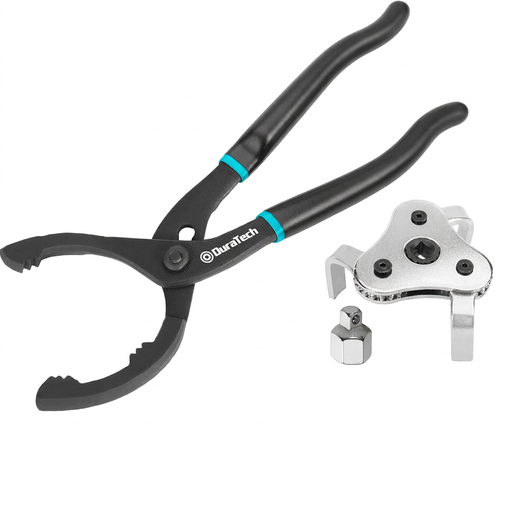
Why it's a match: Designed for those who do their own car or motorcycle maintenance. This kit lets you perform oil changes without a struggle and without damaging filters, even the most stubborn ones.
It avoids the "universal" trap by displaying a clear and precise compatibility range (63-103 mm). Its hardened steel construction ensures the necessary robustness, a far cry from vague marketing alloys.
The plier and 3-jaw wrench duo offers maximum versatility. The serrated jaws provide a formidable grip, even on the greasiest, most slippery filters.
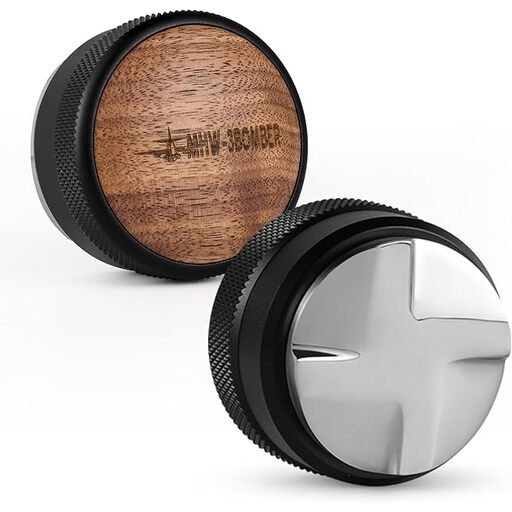
Why it's a match: For the coffee lover who wants to take their espresso to the next level. This tool ensures a perfectly even distribution of grounds in the portafilter, a key step for an extraction without *channeling*.
Its ultra-precise 58.35 mm diameter is calibrated for 58 mm portafilters, which eliminates play and waste. The materials (304 stainless steel and walnut wood) are clearly stated, guaranteeing food safety and durability.
Its depth is adjustable to accommodate different coffee doses. Its specific base distributes the grounds optimally, limiting the phenomenon of *channeling* (water channels that ruin the extraction).
Discover our complete and up-to-date selection of products that meet our selection criteria and safety standards.
A tool's lifespan depends on two things: the quality of its materials and the care you give it. A tool made of hardened steel or quality aluminum alloy, properly cleaned after use and stored in a dry place, can last you for many years. For measuring tools, it's essential to avoid impacts that could throw off their calibration.
Forget the word "universal" and rely only on the technical specifications. For oil filter pliers, look for an explicit diameter range (e.g., "from 63 to 103?mm"). For a barista accessory, measure the inner diameter of your portafilter to the nearest tenth of a millimetre and compare it to the tool's. Precision is about numbers, not words.
Not always. A high price may simply reflect significant marketing costs, not the actual quality of the product. Scrutinize the spec sheets: the exact nature of the materials, the precision of the markings, the quality of the mechanisms... A tool with transparent and well-thought-out features will always be a better investment than an overpriced brand-name product with vague specifications.