Fans of indulgent toast toppings
If you want an alternative to jam, look for a product sold as a spread. Carrefour lists praline spread in its breakfast aisle; a chocolate bite or a baking ingredient is intended for a different use.


To enjoy something alongside jam on toast, choose a product explicitly described as praline spread. Chocolate pralines are for eating on their own, while pink pralines and praline paste for baking are better suited to recipes. In every case, check the ingredients and allergens for the specific product you choose.
If you want an alternative to jam, look for a product sold as a spread. Carrefour lists praline spread in its breakfast aisle; a chocolate bite or a baking ingredient is intended for a different use.
For a tasting or a gift, your choice could come down to the type of chocolate and the recipes in the box. Lindt France describes its Signature range as an assortment of praline-filled bites coated in milk or dark chocolate.
Pink pralines can be used in brioche, as shown in a recipe sold by Carrefour. E.Leclerc’s almond and hazelnut praline paste, on the other hand, is intended to be added to baking recipes.
First decide whether you want a product to spread, eat on its own or add to a recipe. Then check the label on the product you’ve chosen, especially if you’ll be sharing it with others.
| What to consider | What to check | Who is it for? |
|---|---|---|
| For toast | Look for the description ‘praline spread’ and check that the product is intended for this use. | If I want something to spread on bread without making a recipe, a spread is a better choice than a box of chocolates or a bar; around 36% of consumers would prioritise this need. |
| For enjoying and sharing | Check the type of chocolate, the fillings listed and the number of bites in the box. | If I’m giving chocolates as a gift or serving them alongside toast, I’m looking for something to share rather than a spread; this would be the main need for around 29% of consumers. |
| Ingredients and allergens | Read the highlighted allergen information and any ‘may contain’ statements on the exact product packaging. | Before choosing something for someone with an allergy, I need to check the ingredients for each product; around 21% of consumers would put this check first. |
| Quantity and your breakfast table | Compare the net weight of products intended for the same use, and check the nutritional information if you’re also serving jam. | If there’s already jam at breakfast, I’d rather choose how much chocolate or praline to serve; around 14% of consumers would prioritise this. |
A box of chocolate bites and pink pralines aren’t the same as a spreadable topping. Praline pastes for baking have a different use too.
For bread, check the product description and intended use. Save the chocolate bites for eating and the baking ingredients for recipes.
An assortment may contain several different recipes. Carrefour’s Ferrero Rocher product listing mentions hazelnuts, milk, soya and wheat, among other ingredients; these won’t be found in every box.
If you have an allergy or avoid certain foods, check the ingredients and any ‘may contain’ statements on the box you buy.
A baking chocolate bar, chocolate rochers and a spread may come in different weights because they’re made for different purposes.
Choose the format you need first, then check the net weight and, for chocolate bites, the number of pieces listed.
Jam, spreads and chocolates can all feature at the same breakfast. Manger Bouger recommends limiting sugary foods.
Decide which topping you’d like to serve and how much, rather than automatically adding every product to your toast.
Lindt France describes Signature Pralines as a range of praline-filled bites coated in milk or dark chocolate.
Carrefour describes this product as chocolate bites with hazelnuts.
Carrefour offers milk chocolate praline and dark chocolate praline rochers in this range.
E.Leclerc lists its 200 g Chocolat Praliné Dessert bar among its baking chocolates.
Auchan has a product listing for the Nestlé Dessert Praliné baking chocolate bar. The details given apply to this Nestlé product, not to the retailer’s entire range.
These two Lindt products are both for enjoying praline chocolate alongside toast: one is a box of assorted rochers, the other a chocolate bar. Neither is a spread.
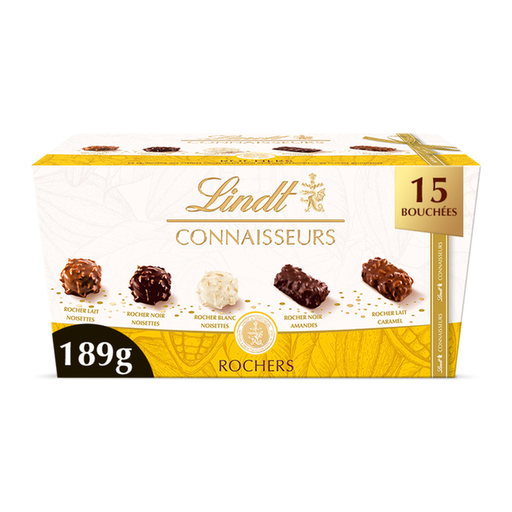 Image unavailable
Consider this if you’re looking for chocolate bites to enjoy or share, rather than a topping for bread. The box contains 189 g; if you’re sharing it, check the packaging for ingredients and allergens.
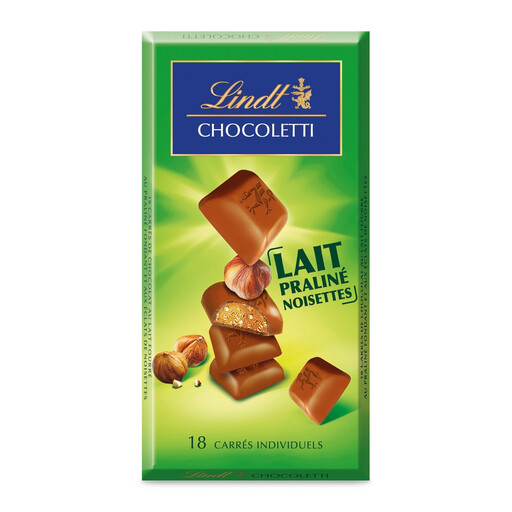 Image unavailable
Consider this if you fancy milk chocolate praline without choosing an assorted box. This 100 g bar isn’t a spread; check the packaging for ingredients and allergens.
If you want something to spread, look for praline spread. Chocolate pralines are bite-sized treats to enjoy separately, while pink pralines are often used in brioche recipes.
Check the specific product you’re buying: the product listings consulted mention tree nuts, milk, soya or wheat, depending on the product. For prepacked foods sold in France, the DGCCRF states that allergenic ingredients must be highlighted in the ingredients list. Also check for any ‘may contain’ statements.
Follow the instructions on the packaging you’ve chosen, particularly for storage after opening. Instructions for a baking chocolate bar don’t automatically apply to praline paste or a box of chocolate bites.
No. It won’t tell you whether a product is meant to be spread, enjoyed on its own or added to a recipe, and it doesn’t replace checking the ingredients, allergens and nutritional information for the product you choose.