If Fairtrade is your priority, choose a spread with the Fairtrade/Max Havelaar label on the jar: a brand-wide commitment does not certify the specific product you buy. If you’re camping at a festival, also check the size, allergens and storage instructions after opening. The Nutri-Score can help you compare nutritional information when it’s shown, but it’s optional in France, according to the DGCCRF.
Who is this choice for?
Festival-goers looking for a recognisable Fairtrade label
If cocoa certification matters to you, look for the label on the packaging of the specific product, rather than relying on a general statement from the brand. Max Havelaar France says that Fairtrade/Max Havelaar-certified cocoa spreads are available in France.
Campers short on space, without reliable refrigeration
A product that’s easy to carry isn’t the only thing to consider: also check how to reseal it and store it after opening. For example, E.Leclerc’s almond and hazelnut praline spread needs to be kept in a cool place after opening.
Groups mindful of ingredients and allergens
Before sharing a jar, read the ingredients and any precautionary allergen statements for the recipe you’ve chosen. Depending on the product, it may contain nuts and milk, among other ingredients. Anses highlights the importance of labelling for people with allergen sensitivities.
What should you check?
When choosing a spread to take to a festival, start with your top priority, then check that the size and storage requirements suit your stay. A praline paste intended for baking and a ready-to-spread cocoa and hazelnut spread may not be suitable for the same purpose.
| What to consider |
What to check |
Who is it for? |
| Cocoa certification |
The Fairtrade/Max Havelaar label on the packaging of the recipe and size you’re buying. |
If I’m primarily looking for fairly traded certified cocoa, the brand’s general sourcing policy isn’t enough to guide my choice. Around 37% of consumers would prioritise this label on the specific product. |
| Size and storage |
The weight of the jar or portions, followed by the storage instructions after opening. |
When I’m carrying my camping gear without reliable refrigeration, I want to be able to use the product in line with the instructions on its packaging. Convenience would be the main priority for around 27% of consumers. |
| Nutritional comparison |
Nutritional values per 100 g, particularly sugars and fat; the Nutri-Score, if it appears on the packaging. |
When comparing recipes intended for the same purpose, I prefer to read their nutritional information rather than choose based on the jar’s appearance alone. Around 18% of consumers would put this comparison first. |
| Ingredients and allergens |
The ingredients list and any precautionary allergen statements, particularly for nuts and milk. |
Before sharing a spread with my group, I need to know whether its recipe is suitable for anyone with allergies. Around 18% of consumers would make this their priority. |
Mistakes to avoid
-
Assuming that no Nutri-Score means something is wrong
According to the DGCCRF, displaying the Nutri-Score is optional in France. However, a nutrition declaration is compulsory for the relevant prepacked foods.
Compare nutritional values per 100 g. Use the Nutri-Score as an additional guide when it’s shown, rather than treating it as the sole measure of a product.
-
Assuming “sustainably sourced cocoa” means Fairtrade certification
A statement about cocoa sourcing doesn’t mean that every spread from the brand carries the Fairtrade/Max Havelaar label.
If this label is what determines your purchase, look for it on the packaging of the exact recipe and size you plan to take with you.
-
Choosing a large jar without checking the storage instructions after opening
E.Leclerc’s product information for an almond and hazelnut praline spread says to keep it in a cool place after opening. This could make it difficult to use over several days of camping.
Check the instructions for your chosen product before setting off, and choose a size that suits the length of your stay and your storage options.
-
Assuming a praline recipe will suit everyone in your group
The products mentioned by Ethiquable and E.Leclerc show how ingredients can vary: they may contain hazelnuts, almonds or milk-derived ingredients, and may also carry precautionary allergen statements.
Read the label on each product before sharing it. If necessary, choose a separate product that’s suitable for the people concerned.
Brands to consider
Ethiquable
One to consider if you’re looking for a spread presented as fairly traded and organically produced.
- Ethiquable’s product information for its hazelnut spread lists 13% hazelnuts and 8% low-fat cocoa.
- If you specifically require the Fairtrade/Max Havelaar label, check that it appears on the jar you buy: a fair trade claim alone doesn’t confirm that the logo is present.
Rigoni di Asiago
The Nocciolata range includes a size worth comparing if luggage space is at a premium.
- Rigoni di Asiago offers Nocciolata L’Originale in a pack of 5 × 20 g and describes its ingredients as organic.
- Neither organic ingredients nor a small size proves that this product carries the Fairtrade/Max Havelaar label. Check the ingredients too, depending on your group’s needs.
Nutella
A cocoa and hazelnut spread with sizes that can help you compare how much to take with you.
- Carrefour lists, among other options, an 825 g jar of Nutella, while Auchan lists other sizes.
- Ferrero describes several cocoa-sourcing programmes across the group. This doesn’t prove that the Nutella jar you choose carries the Fairtrade/Max Havelaar label.
Spreads and praline on Joybuy
This selection includes cocoa and hazelnut spreads in different sizes, as well as a praline paste. Compare how much you’ll need to carry, then check each jar for the Fairtrade/Max Havelaar label, ingredients and storage instructions that matter for your stay.
 Image unavailable
Rigoni di Asiago Nocciolata organic cocoa and hazelnut spread, 250 g
For taking a 250 g jar rather than a larger size. If the Fairtrade/Max Havelaar label is your main priority, check for it on this jar before buying.
View on Joybuy
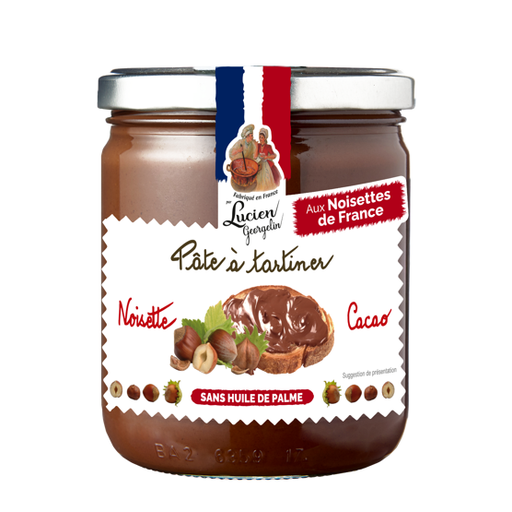 Image unavailable
Lucien Georgelin Lot & Garonne hazelnut and cocoa spread, 400 g
A 400 g size to consider for sharing. Store it in a cool, dry place away from heat, and check the jar for the Fairtrade/Max Havelaar label if that’s what you’re looking for.
View on Joybuy
 Image unavailable
Lucien Georgelin organic hazelnut and cocoa spread, 400 g
For anyone looking for a 400 g jar of spread labelled organic. Check the instructions for after opening, and don’t confuse the organic claim with the Fairtrade/Max Havelaar label.
View on Joybuy
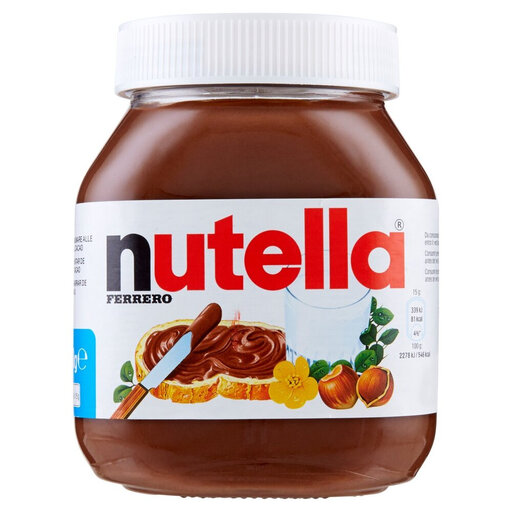 Image unavailable
Nutella hazelnut spread, 630 g
Compare this 630 g jar with the space you have available and the amount your group needs. Ferrero’s general communications about cocoa don’t replace checking this specific product for the Fairtrade/Max Havelaar label.
View on Joybuy
 Image unavailable
FUNKIE organic praline paste, 200 g
The 200 g jar keeps the amount you need to carry down. This product needs to be refrigerated after opening, so check that you can follow this instruction during the festival, as well as whether it carries the label you’re looking for.
View on Joybuy
Frequently asked questions
Is the Nutri-Score compulsory on spreads sold in France?
No, the Nutri-Score is optional in France, according to the DGCCRF. A nutrition declaration is compulsory for the relevant prepacked foods. When comparing products intended for the same purpose, look in particular at the sugars and fat per 100 g.
How can you tell if a cocoa spread is Fairtrade-certified?
Look for the Fairtrade/Max Havelaar label on the packaging of the exact product. Max Havelaar France says that spreads made with certified cocoa are available in France, but a general statement from a brand about its sourcing doesn’t certify the jar you choose.
Can you keep an opened jar of praline paste in a tent?
Only if the storage instructions for the product you’ve bought allow for the conditions available to you. E.Leclerc’s product information for an almond and hazelnut praline paste says to seal it well and keep it in a cool place for up to 10 days after opening. Without reliable refrigeration, don’t plan to keep this product open for several days.
Which ingredients should you check before sharing praline paste?
Read the ingredients and any precautionary allergen statements on each jar, particularly for nuts and milk-derived ingredients. The recipes mentioned by Ethiquable and E.Leclerc differ. Anses points out that labelling helps people with sensitivities identify allergens.


